

Paramètres
- 287pages
- 11 heures de lecture
En savoir plus sur le livre
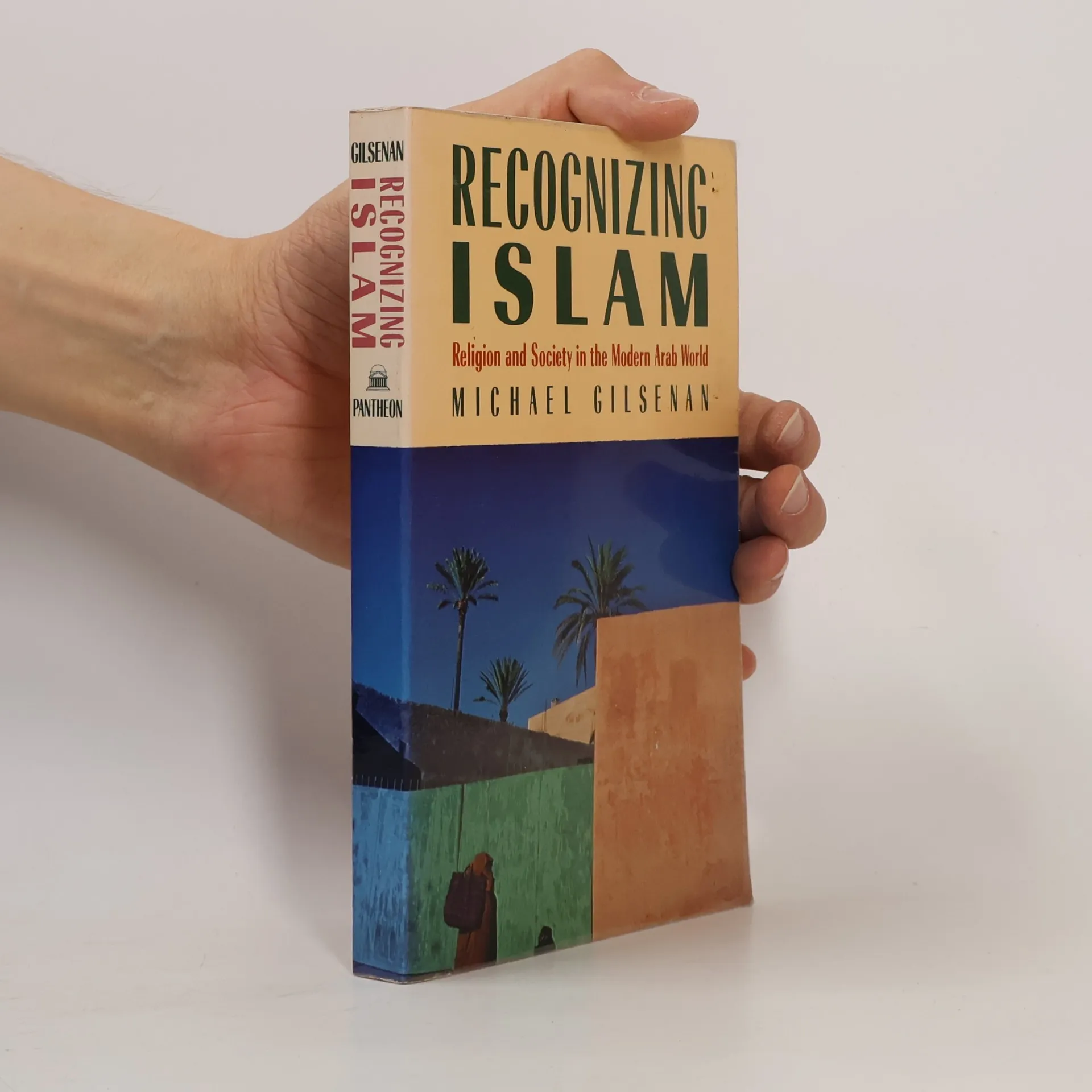
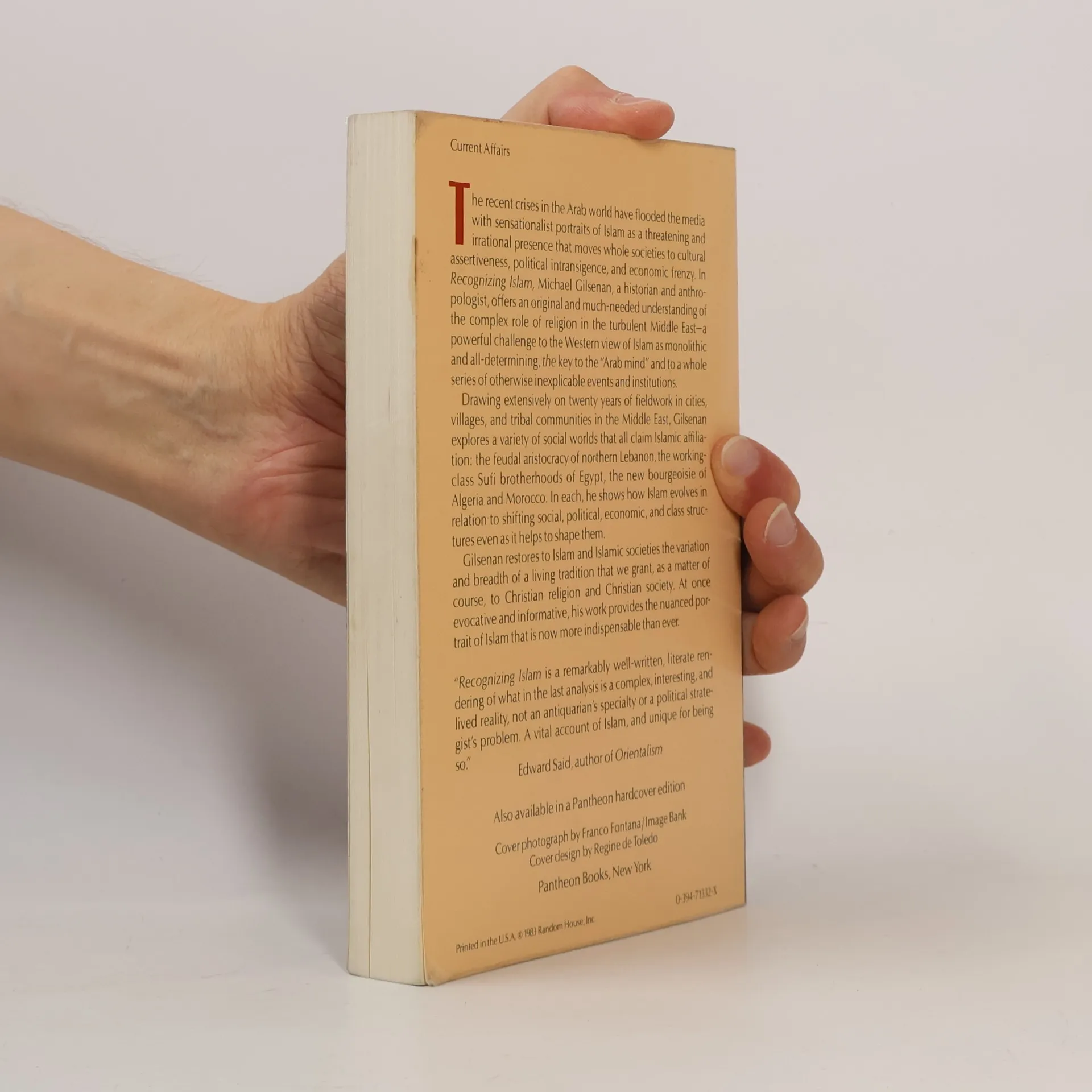
<p>Islam is more than a set of laws, rites and beliefs presented as a religious and social totality. As a word it covers a multitude of everyday forms and practices that are interwoven in complex, sometimes almost invisible ways in daily existence. Drawing exclusively on his own fieldwork in Egypt, South Arabia and the Lebanon, the author explores the nature of Islam and its impact on the daily lives of its followers; he shows that all the Western stereotypes of Islam and its practitioners need to be treated with considerable scepticism.</p> <p>He demonstrates also that the understanding of Islam is dependent on recognizing a variety of class tensions and oppositions within an Islamic society. These have become all the more crucial in recent years with the growth of a capitalist economy, in which the forms and functions of the state have expanded considerably. This study focuses on the social and cultural divisions between very different groups and classes, ranging from the working masses of Cairo to the new bourgeoisie of Algeria and Morocco.</p> <p>The accent of the book is on the forms and transformations of Islam within these different societies. The impact of colonialism is discussed in this context, and reformist and radical Islamic movements are analyzed in relation to shifting structures in class and society at large.</p> <p>First published in 1982.</p>
Achat du livre
Recognizing Islam, Michael Gilsenan
- Langue

- Année de publication
- 1983
- Reliure
- (souple),
- État du livre
- Bon
- Prix
- 5,59 €
Modes de paiement
Personne n'a encore évalué .
- Titre
- Recognizing Islam
- Sous-titre
- Religion and Society in the Modern Arab World
- Langue
- Anglais
- Auteurs
- Michael Gilsenan
- Éditeur
- Pantheon
- Publié
- 1983
- Format
- souple
- Pages
- 287
- ISBN10
- 039471332X
- ISBN13
- 9780394713328
- Séries
- Mots clés
- Description
- <p>Islam is more than a set of laws, rites and beliefs presented as a religious and social totality. As a word it covers a multitude of everyday forms and practices that are interwoven in complex, sometimes almost invisible ways in daily existence. Drawing exclusively on his own fieldwork in Egypt, South Arabia and the Lebanon, the author explores the nature of Islam and its impact on the daily lives of its followers; he shows that all the Western stereotypes of Islam and its practitioners need to be treated with considerable scepticism.</p> <p>He demonstrates also that the understanding of Islam is dependent on recognizing a variety of class tensions and oppositions within an Islamic society. These have become all the more crucial in recent years with the growth of a capitalist economy, in which the forms and functions of the state have expanded considerably. This study focuses on the social and cultural divisions between very different groups and classes, ranging from the working masses of Cairo to the new bourgeoisie of Algeria and Morocco.</p> <p>The accent of the book is on the forms and transformations of Islam within these different societies. The impact of colonialism is discussed in this context, and reformist and radical Islamic movements are analyzed in relation to shifting structures in class and society at large.</p> <p>First published in 1982.</p>