

En savoir plus sur le livre
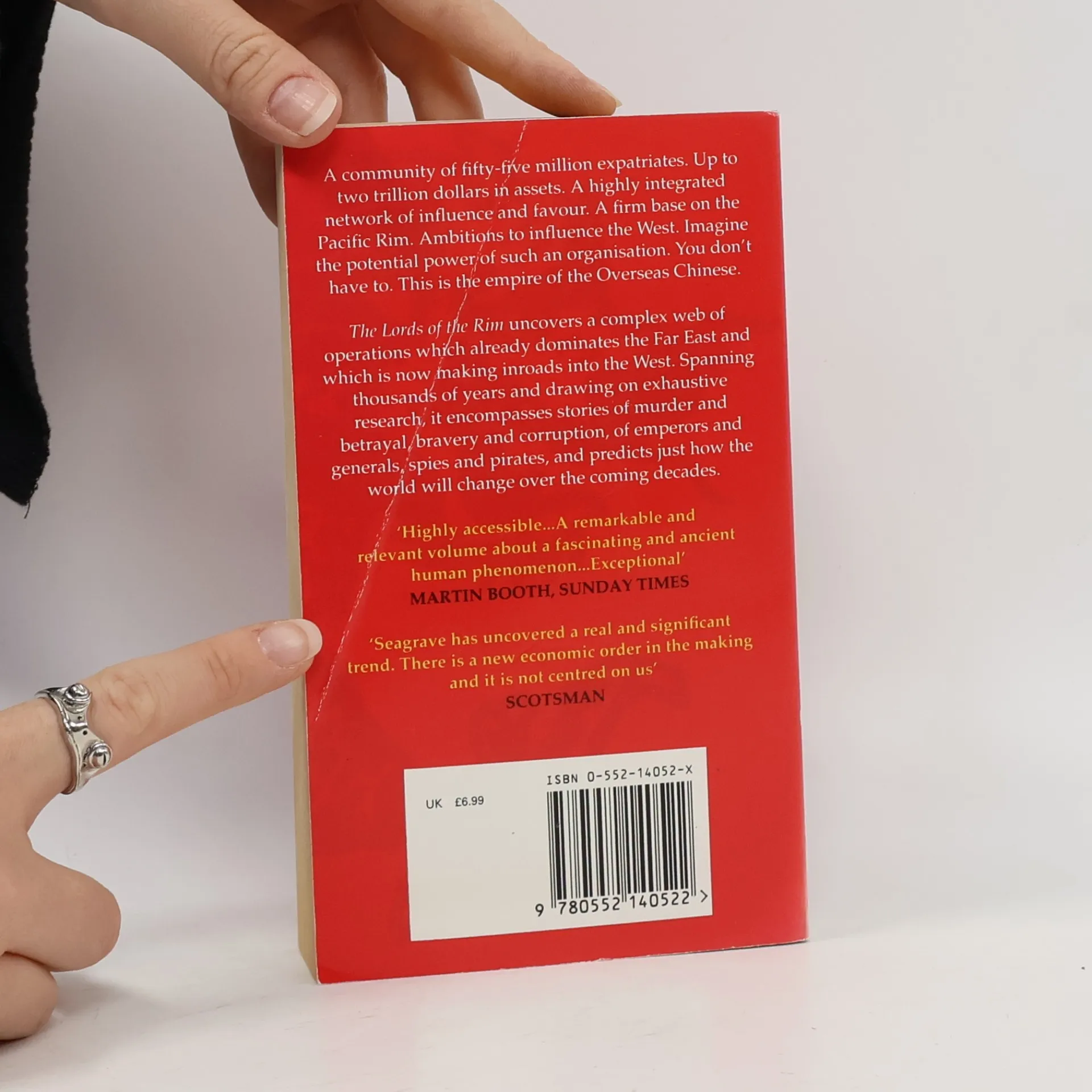
On one level, this book is a lively version of Chinese history from 1100 B.C. to the present, through the screen of the dealings of its merchant class. On another level, it is an Arabian Nights tale of scandal, war, politics and, above all, money-making. "To be rich is good," runs an old Chinese proverb. On yet another level, it is a brilliant analysis of the enormous power wielded by a widely scattered group of 55 million Chinese merchants who live in self-imposed or government-ordered exile throughout Asia and, increasingly, in the U.S. and Canada. In the scramble of Western entrepreneurs for footholds in China's enormous markets, asserts Seagrave (The Soong Dynasty), this is the group to reckon with. They're already there. They have a hammerlock on commerce in nearly every country of the Pacific Rim. It is they who financed the current economic boom that has made China the third largest market in the world after the U.S. and Japan, and they who have the greatest stakes in which direction post-Deng China takes. To top off his engrossing account, Seagrave speculates on several possibilities including the breakaway of some southern regions, origin of most of the overseas Chinese, into independent countries. Seagrave has delivered an engrossing mercantile history and he looks forward, with a blend of apprehension and admiration, to the early 21st century, when China is expected to become the world's largest market and the Chinese to join the ranks of the world's most powerful producers.
Achat du livre
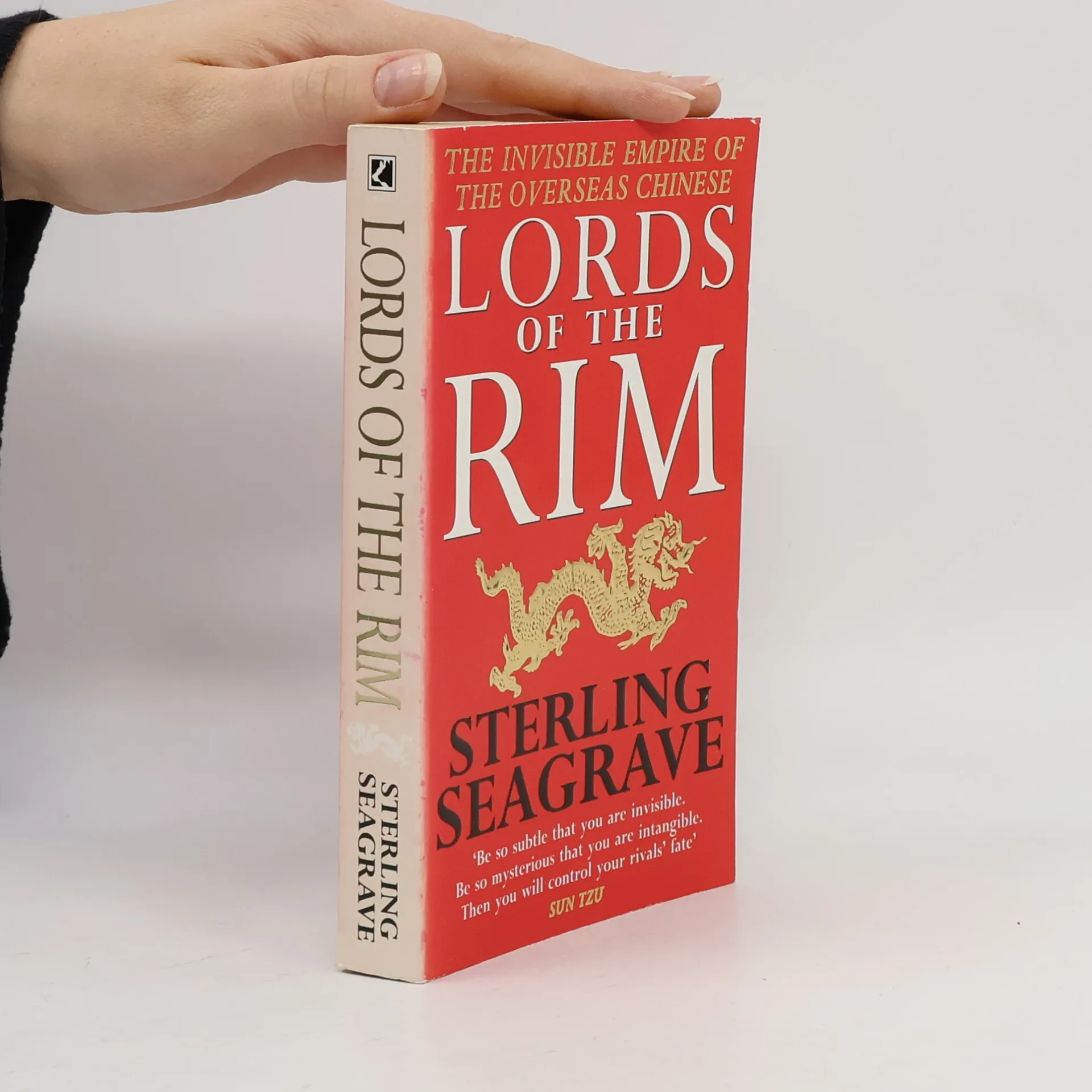
Lords of the Rim, Sterling Seagrave
- Langue

- Année de publication
- 1996
- Reliure
- (souple),
- État du livre
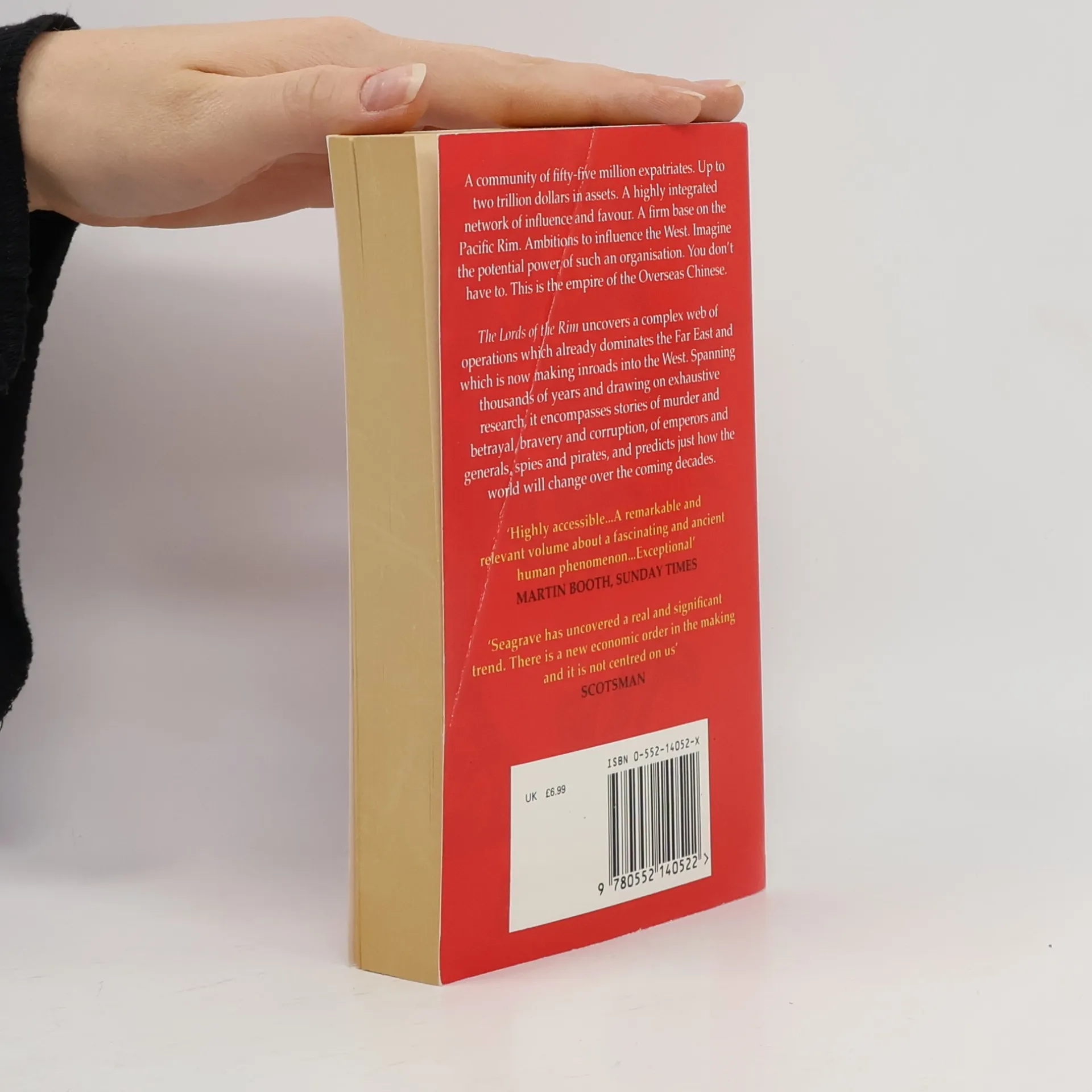
- Abîmé
- Prix
- 3,98 €
Modes de paiement
Personne n'a encore évalué .
- Titre
- Lords of the Rim
- Langue
- Anglais
- Auteurs
- Sterling Seagrave
- Éditeur
- Corgi Books
- Publié
- 1996
- Format
- souple
- Pages
- 430
- ISBN10
- 055214052X
- ISBN13
- 9780552140522
- Séries
- Mots clés
- Nonfiction, Thème historique, Commerce, Économie, Asie, Chine, Littérature asiatique, Chinois, Océan Pacifique
- Description
- On one level, this book is a lively version of Chinese history from 1100 B.C. to the present, through the screen of the dealings of its merchant class. On another level, it is an Arabian Nights tale of scandal, war, politics and, above all, money-making. "To be rich is good," runs an old Chinese proverb. On yet another level, it is a brilliant analysis of the enormous power wielded by a widely scattered group of 55 million Chinese merchants who live in self-imposed or government-ordered exile throughout Asia and, increasingly, in the U.S. and Canada. In the scramble of Western entrepreneurs for footholds in China's enormous markets, asserts Seagrave (The Soong Dynasty), this is the group to reckon with. They're already there. They have a hammerlock on commerce in nearly every country of the Pacific Rim. It is they who financed the current economic boom that has made China the third largest market in the world after the U.S. and Japan, and they who have the greatest stakes in which direction post-Deng China takes. To top off his engrossing account, Seagrave speculates on several possibilities including the breakaway of some southern regions, origin of most of the overseas Chinese, into independent countries. Seagrave has delivered an engrossing mercantile history and he looks forward, with a blend of apprehension and admiration, to the early 21st century, when China is expected to become the world's largest market and the Chinese to join the ranks of the world's most powerful producers.