


Paramètres
- 830pages
- 30 heures de lecture
En savoir plus sur le livre
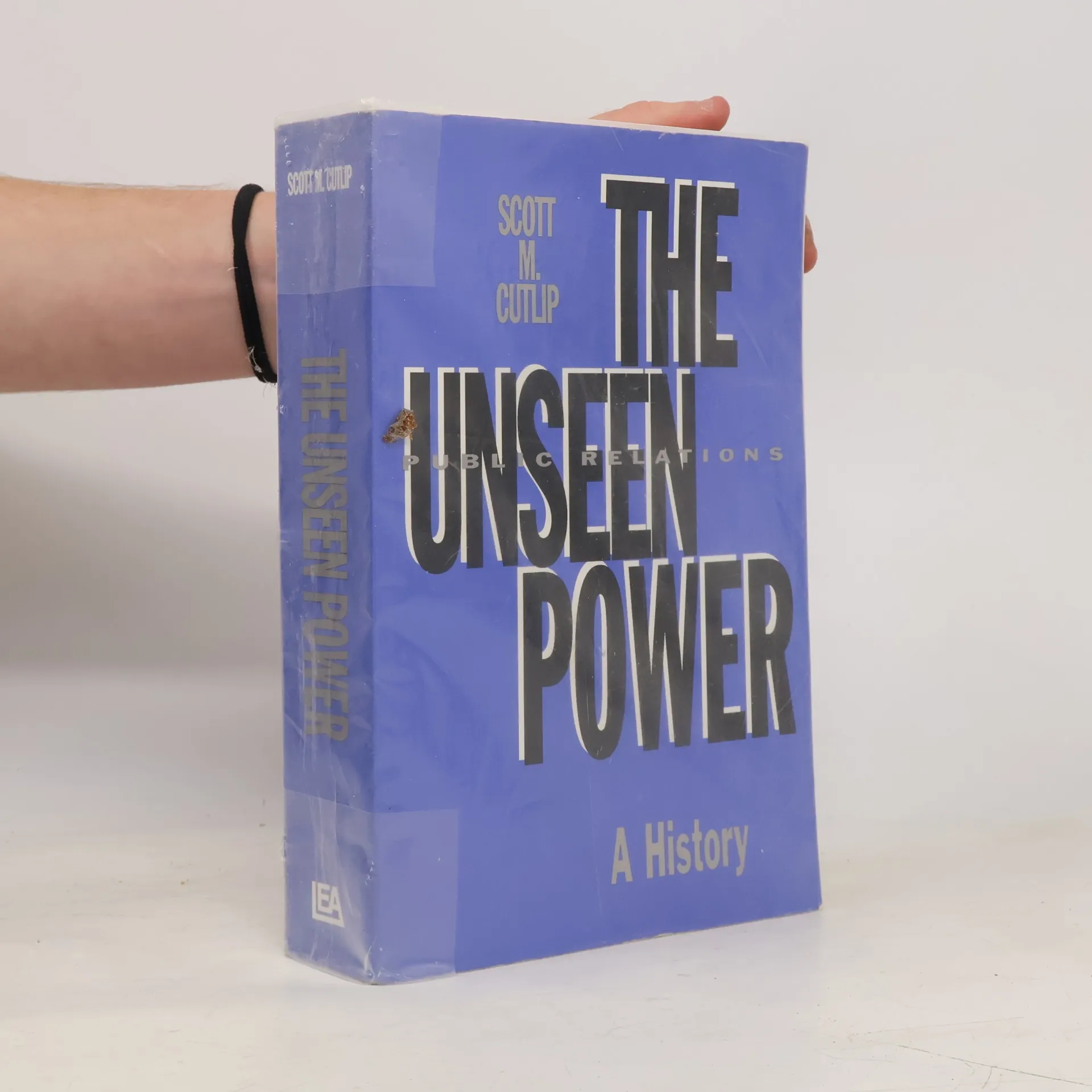
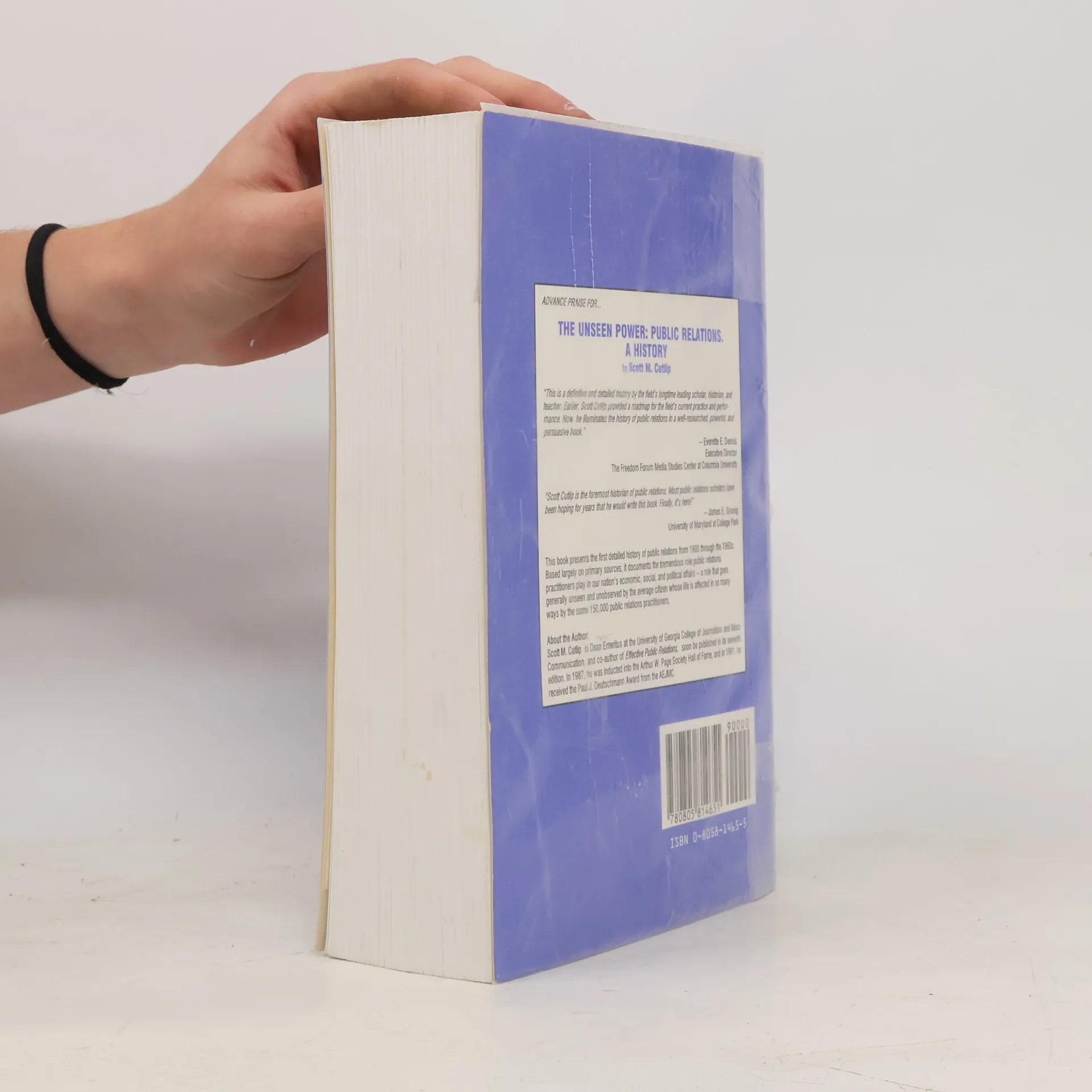
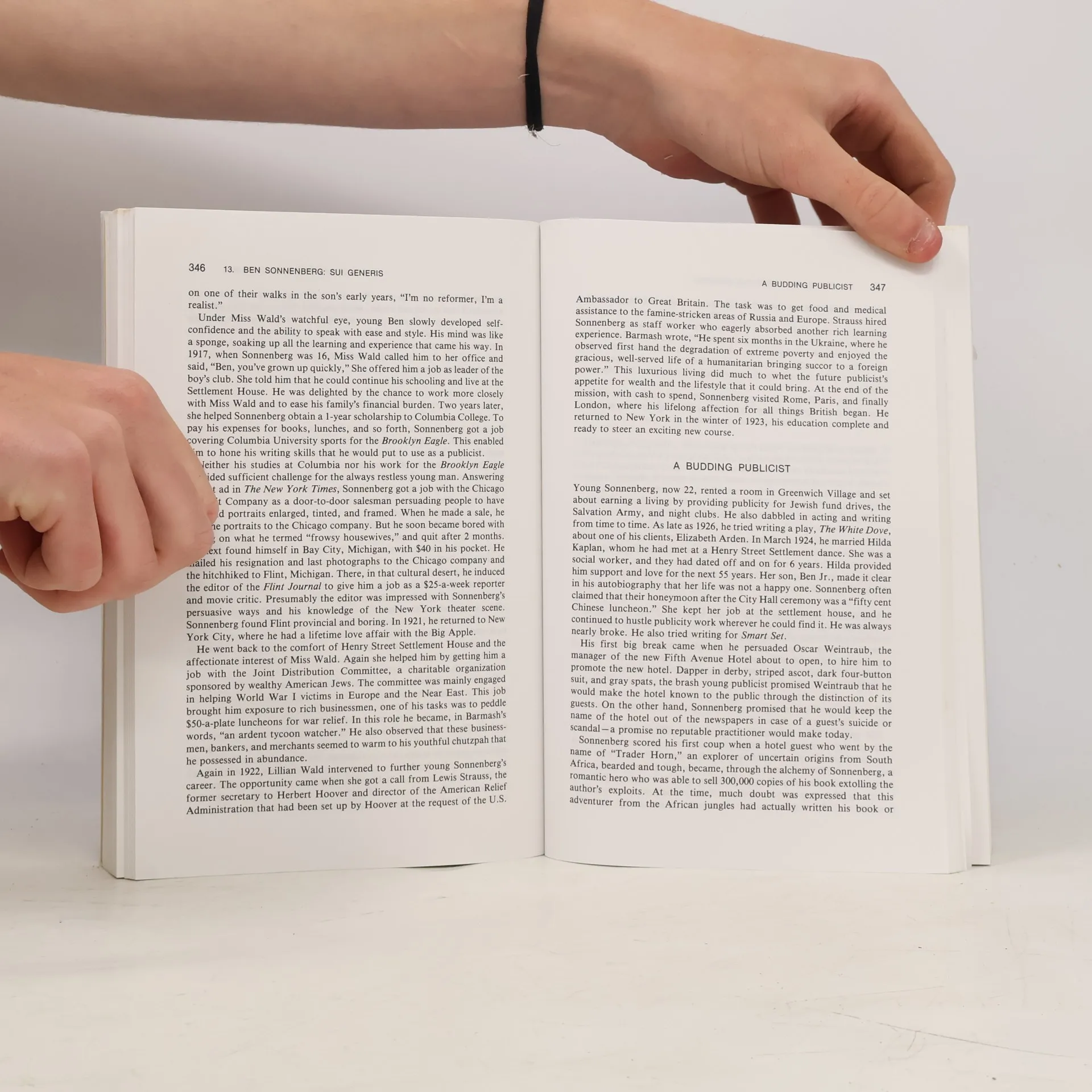
Based largely on primary sources, this book offers the first comprehensive history of public relations from 1900 to the 1960s. The author draws on the personal papers of key figures, including John Price Jones, Ivy L. Lee, and Edward L. Bernays, along with extensive interviews with notable practitioners. This research provides an authentic perspective on the evolution and practice of public relations in the United States since the early 1900s. Key highlights include how President Roosevelt's Square Deal reforms introduced publicity agencies to Washington, and how figures like Bernays and Lee made smoking socially acceptable for women in the 1920s. The narrative also covers William Baldwin III's efforts to save the Macy's Thanksgiving Day parade and Ben Sonnenberg's success in transforming Pepperidge Farm bread into a national product. Additionally, it details how publicists Edward Clark and Bessie Tyler turned the Ku Klux Klan into a powerful organization in just three years, and Earl Newsom's unsuccessful attempt to reform General Motors amid safety concerns raised by Ralph Nader. Overall, the book illustrates the significant yet often overlooked influence of public relations practitioners on American economic, social, and political landscapes, affecting the lives of countless citizens through their work.
Achat du livre
The Unseen Power, Scott M. Cutlip
- Langue

- Année de publication
- 1994
- Reliure
- (souple),
- État du livre
- Abîmé
- Prix
- 70,27 €
Modes de paiement
Personne n'a encore évalué .
- Titre
- The Unseen Power
- Sous-titre
- Public Relations
- Langue
- Anglais
- Auteurs
- Scott M. Cutlip
- Éditeur
- Routledge
- Publié
- 1994
- Format
- souple
- Pages
- 830
- ISBN10
- 0805814655
- ISBN13
- 9780805814651
- Séries
- Mots clés
- Description
- Based largely on primary sources, this book offers the first comprehensive history of public relations from 1900 to the 1960s. The author draws on the personal papers of key figures, including John Price Jones, Ivy L. Lee, and Edward L. Bernays, along with extensive interviews with notable practitioners. This research provides an authentic perspective on the evolution and practice of public relations in the United States since the early 1900s. Key highlights include how President Roosevelt's Square Deal reforms introduced publicity agencies to Washington, and how figures like Bernays and Lee made smoking socially acceptable for women in the 1920s. The narrative also covers William Baldwin III's efforts to save the Macy's Thanksgiving Day parade and Ben Sonnenberg's success in transforming Pepperidge Farm bread into a national product. Additionally, it details how publicists Edward Clark and Bessie Tyler turned the Ku Klux Klan into a powerful organization in just three years, and Earl Newsom's unsuccessful attempt to reform General Motors amid safety concerns raised by Ralph Nader. Overall, the book illustrates the significant yet often overlooked influence of public relations practitioners on American economic, social, and political landscapes, affecting the lives of countless citizens through their work.