



En savoir plus sur le livre
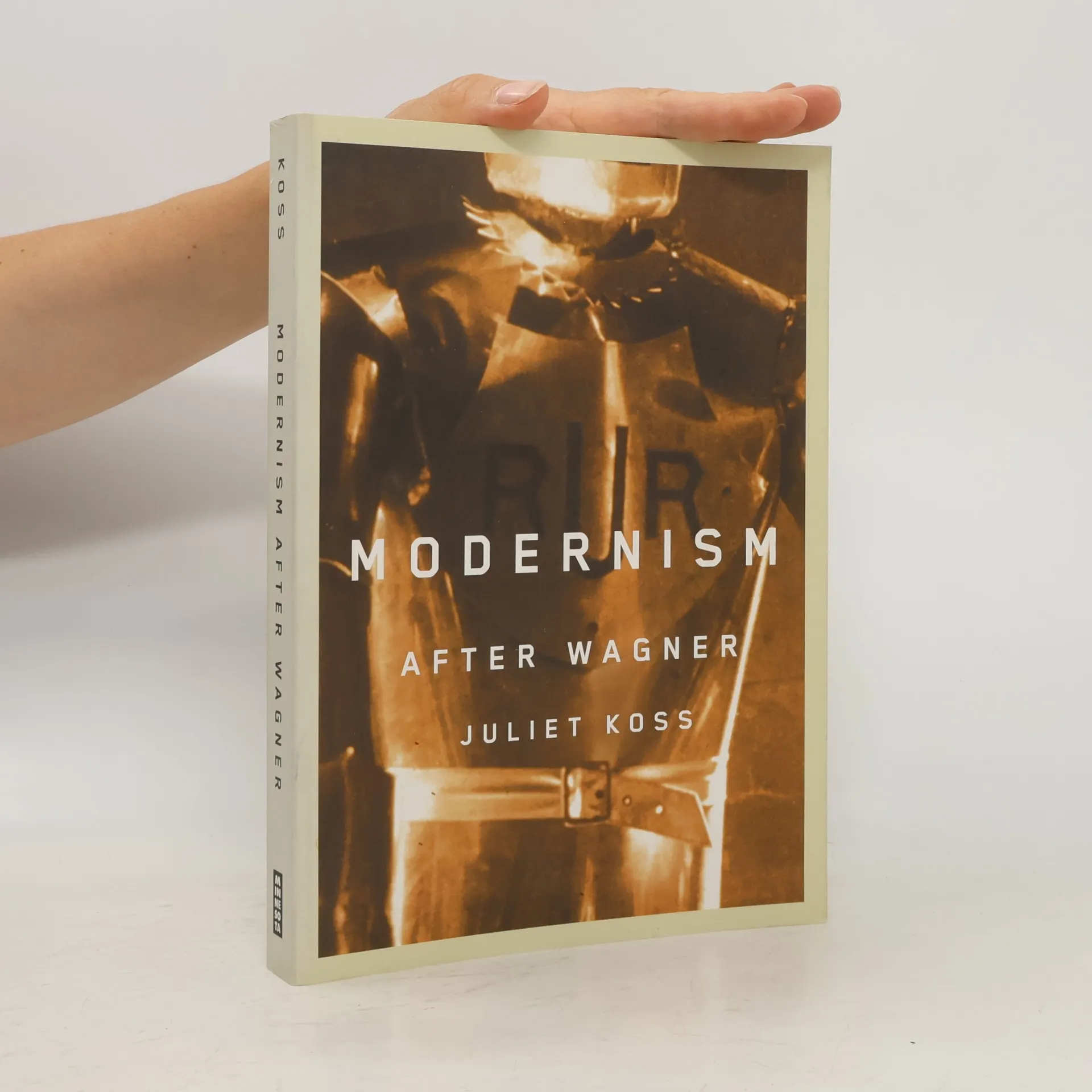
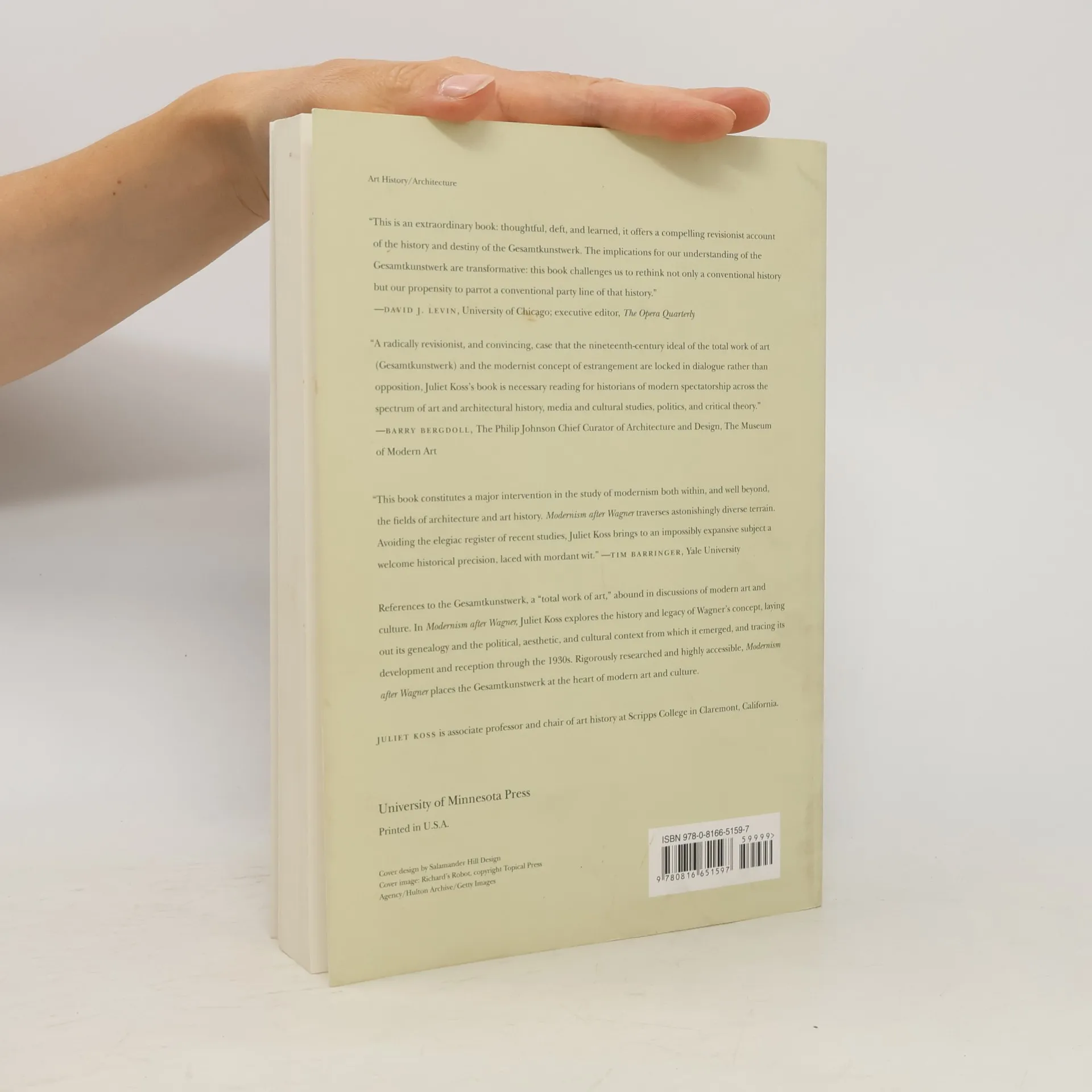
References to the Gesamtkunstwerk, or "total work of art," frequently appear in discussions of modern art and culture, often highlighting a blend of various art forms that evoke strong emotions, hinder critical thought, and create a passive audience. Originating from Richard Wagner in 1849, this concept has been applied to diverse contexts, including 1920s Berlin cinema palaces and Andy Warhol's 1960s Factory. Juliet Koss examines the history and legacy of Wagner's idea, detailing its origins and the political, aesthetic, and cultural backdrop from which it arose, while tracing its evolution through the 1930s. Koss begins with Wagner's articulation of the Gesamtkunstwerk following the 1848-49 revolution, exploring key moments in German aesthetic theory and artistic practice. This includes Wagner's efforts to establish a theater for his music dramas, leading to the Bayreuth festival theater's construction in 1876; developments in visual arts, theater, film, and radio from the 1870s to the 1920s; the founding of the Darmstadt Artists' Colony in 1901 and the Munich Artists' Theater in 1908; and Bauhaus performances in the 1920s and 1930s. Koss also addresses the concept's appropriation by National Socialism, emphasizing its revolutionary roots and potential for emancipation. This rigorously researched work positions the Gesamtkunstwerk as central to modern art and culture.
Achat du livre
Modernism After Wagner, Juliet Koss
- Langue

- Année de publication
- 2010
- product-detail.submit-box.info.binding
- (souple),
- État du livre
- Abîmé
- Prix
- 17,69 €
Modes de paiement
Personne n'a encore évalué .
- Langue
- Anglais
- Auteurs
- Juliet Koss
- Publié
- 2010
- Format
- souple
- Pages
- 392
- ISBN10
- 0816651590
- ISBN13
- 9780816651597
- Séries
- Mots clés
- Thème historique, Art, Thématique musicale, Allemagne, États-Unis, 20e siècle, 19e siècle, Histoire de l'art, Théories scientifiques, Europe de l'Ouest, Sciences de la musique, musicologie
- Description
- References to the Gesamtkunstwerk, or "total work of art," frequently appear in discussions of modern art and culture, often highlighting a blend of various art forms that evoke strong emotions, hinder critical thought, and create a passive audience. Originating from Richard Wagner in 1849, this concept has been applied to diverse contexts, including 1920s Berlin cinema palaces and Andy Warhol's 1960s Factory. Juliet Koss examines the history and legacy of Wagner's idea, detailing its origins and the political, aesthetic, and cultural backdrop from which it arose, while tracing its evolution through the 1930s. Koss begins with Wagner's articulation of the Gesamtkunstwerk following the 1848-49 revolution, exploring key moments in German aesthetic theory and artistic practice. This includes Wagner's efforts to establish a theater for his music dramas, leading to the Bayreuth festival theater's construction in 1876; developments in visual arts, theater, film, and radio from the 1870s to the 1920s; the founding of the Darmstadt Artists' Colony in 1901 and the Munich Artists' Theater in 1908; and Bauhaus performances in the 1920s and 1930s. Koss also addresses the concept's appropriation by National Socialism, emphasizing its revolutionary roots and potential for emancipation. This rigorously researched work positions the Gesamtkunstwerk as central to modern art and culture.