

Paramètres
- 208pages
- 8 heures de lecture
En savoir plus sur le livre
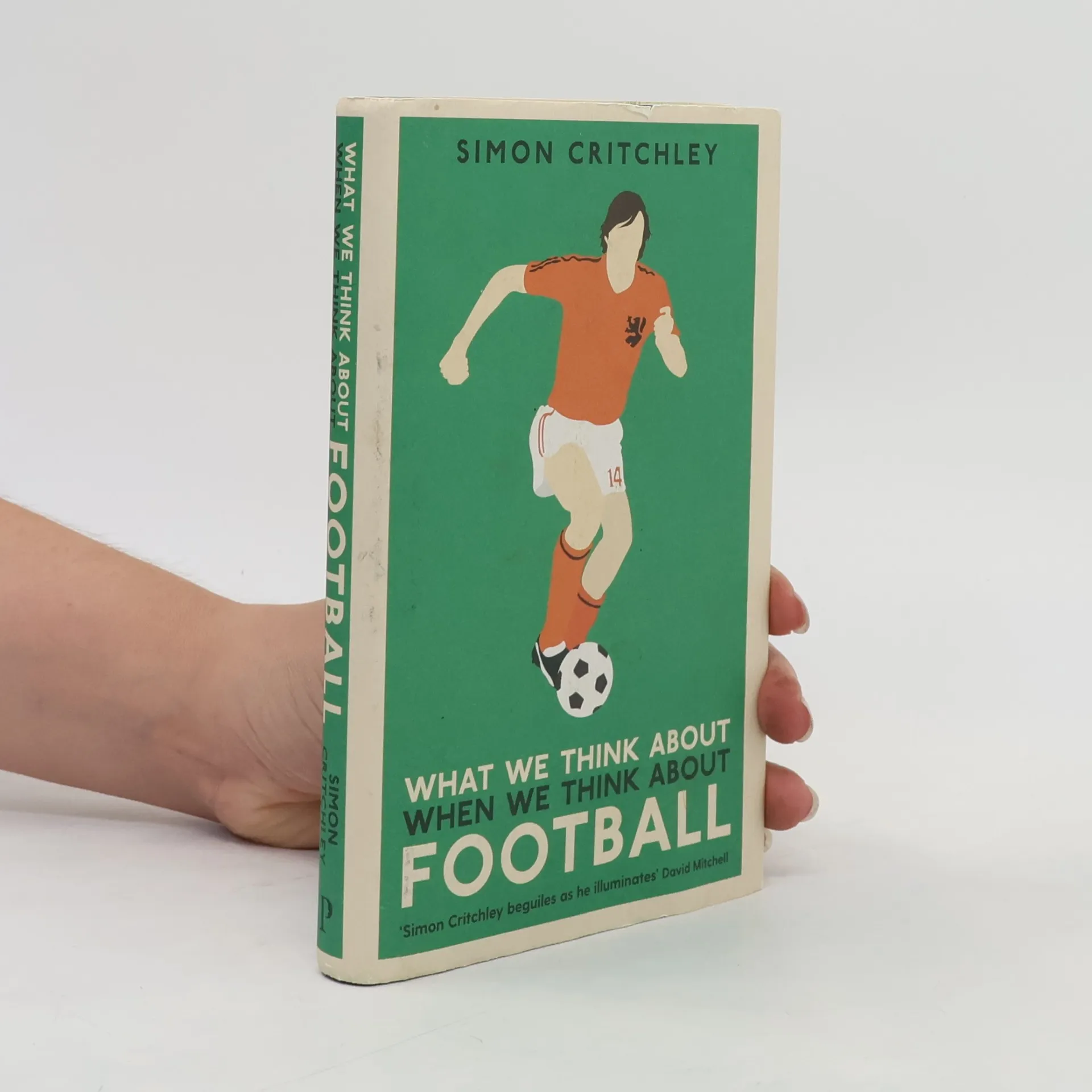
<p></p><p>What do we think about when we think about football? Football is about so many things: memory, history, place, social class, gender (especially masculinity, but increasingly femininity too), family identity, tribal identity, national identity, the nature of groups. It is essentially collaborative, even socialist, yet it exists in a sump of greed, corruption, capitalism and autocracy.</p> <p>Philosopher Simon Critchley attempts to make sense of it all, and to establish a system of aesthetics - even poetics - to show what is beautiful in the beautiful game. He explores, too, how the experience of watching football opens a particular dimension in time; how its magic wards off oblivion; how its dramas play out national identity and non-identity; how we spectators, watching football with tragic pensiveness, participate in the play. And of course, as a football fan, he writes about his heroes and villains: about Zidane and Cruyff, Clough and Revie, Shankly and Klopp.</p>
Achat du livre
What We Think About When We Think About Football, Simon Critchley
- Langue

- Année de publication
- 2017,
- État du livre
- Bon
- Prix
- 8,49 €
Modes de paiement
Personne n'a encore évalué .
- Titre
- What We Think About When We Think About Football
- Langue
- Anglais
- Auteurs
- Simon Critchley
- Éditeur
- Profile Books Ltd
- Publié
- 2017
- Pages
- 208
- ISBN10
- 1781259216
- ISBN13
- 9781781259214
- Séries
- Mots clés
- Nonfiction, Thématique philosophique, Philosophie, Psychologie, Sport, Presse d'opinion & Essais, Football, Identité
- Description
- <p></p><p>What do we think about when we think about football? Football is about so many things: memory, history, place, social class, gender (especially masculinity, but increasingly femininity too), family identity, tribal identity, national identity, the nature of groups. It is essentially collaborative, even socialist, yet it exists in a sump of greed, corruption, capitalism and autocracy.</p> <p>Philosopher Simon Critchley attempts to make sense of it all, and to establish a system of aesthetics - even poetics - to show what is beautiful in the beautiful game. He explores, too, how the experience of watching football opens a particular dimension in time; how its magic wards off oblivion; how its dramas play out national identity and non-identity; how we spectators, watching football with tragic pensiveness, participate in the play. And of course, as a football fan, he writes about his heroes and villains: about Zidane and Cruyff, Clough and Revie, Shankly and Klopp.</p>