



En savoir plus sur le livre
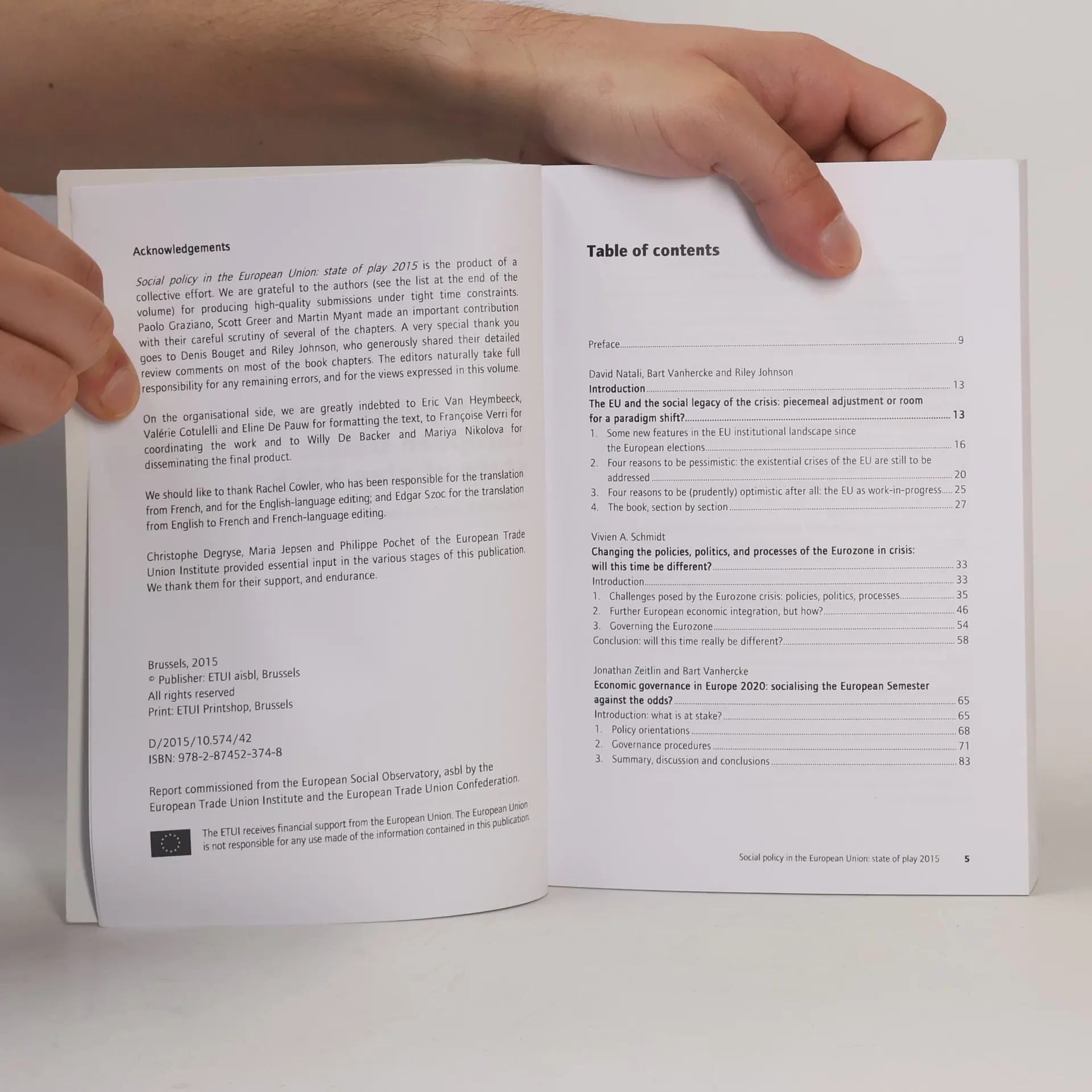
The sixteenth edition of Social policy in the European Union: state of play has a triple ambition. It offers accessible information about recent developments in EU and domestic social policymaking, provides an analytical perspective by embedding key developments of 2014 within current academic discourses, and aims to equip stakeholders and policymakers with tools to identify new opportunities for influencing policymaking. The year 2014 began with a distinct atmosphere of hope in the EU, emphasizing the need for investments to foster growth. However, subsequent developments have shown that these 'results' are merely potential and not yet realities. Increasing social and economic divergence, along with rising tensions between the EU's North and South, suggest that the future could entail a strengthening of the status quo, a retreat, or even a significant setback for the EU. The authors examine EU politics post-parliamentary elections, the socialization of political protest methods, the Juncker investment plan, the EU's investment strategies, its contested influence on national healthcare, and the implications of the Transatlantic Trade and Investment Partnership (TTIP). For the first time in years, 2014 has opened a window of opportunity; the question remains whether the EU will seize it.
Achat du livre
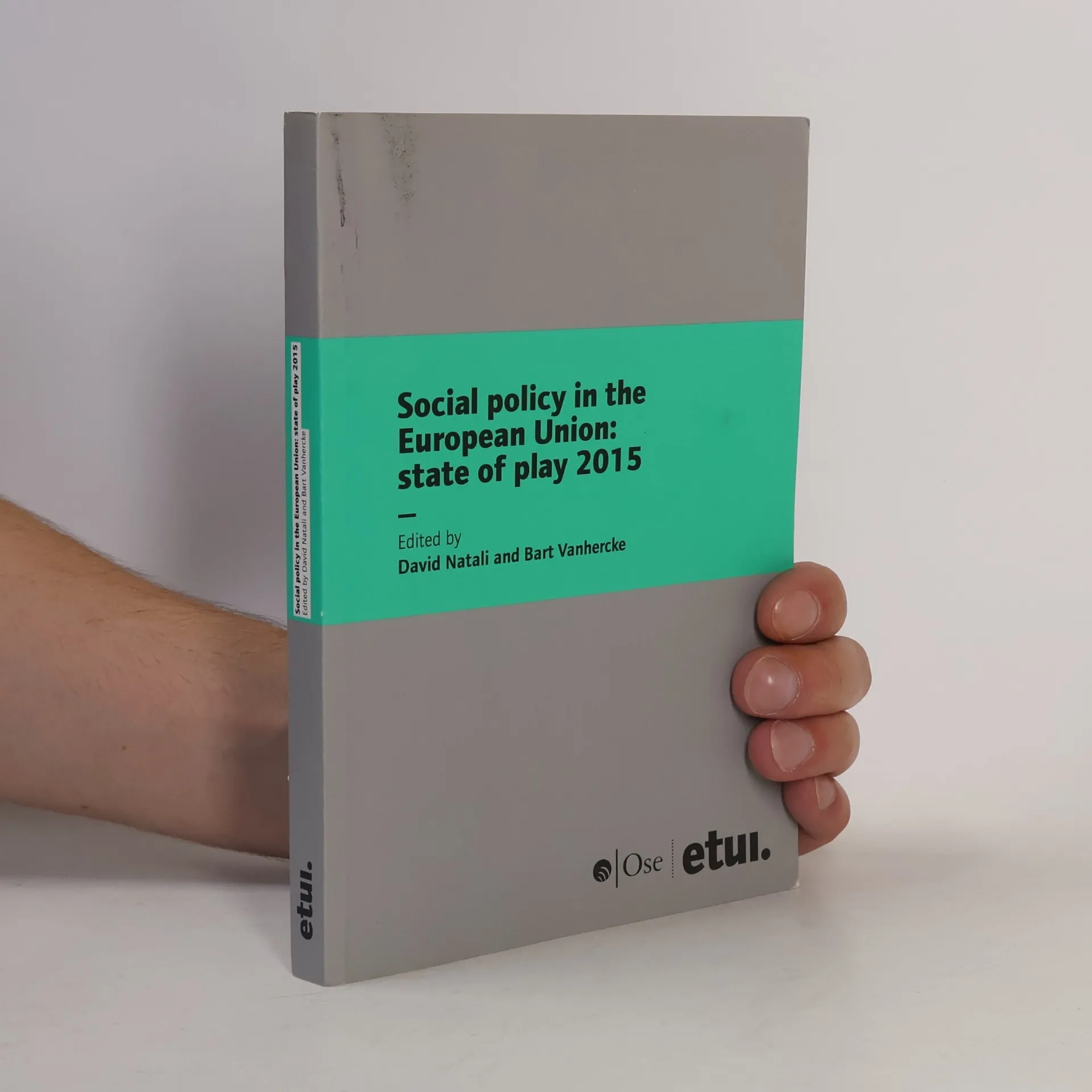
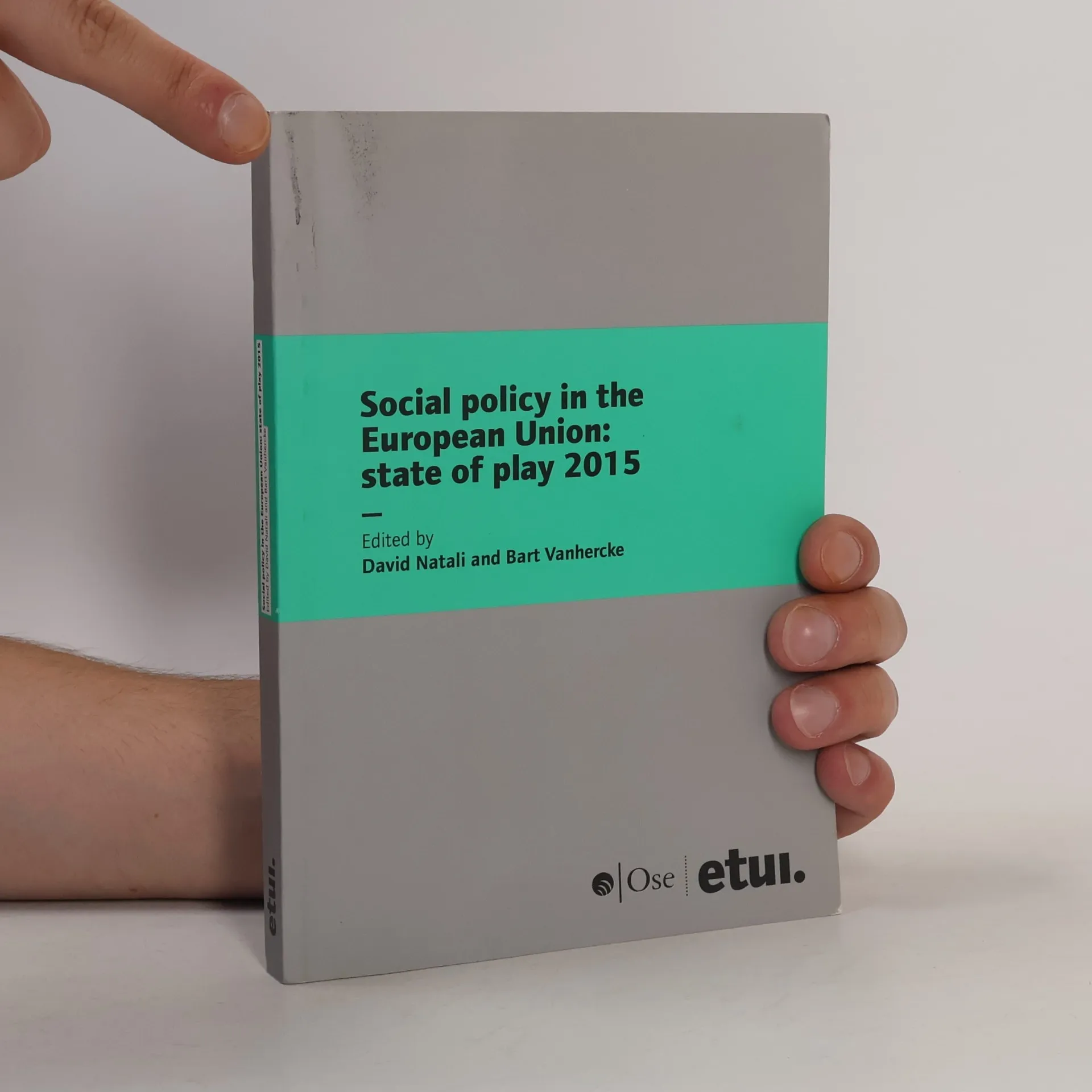
Social Policy in the European Union: State of Play 2015, David Natali, Bart Vanhercke
- Langue

- Année de publication
- 2015
- Reliure
- (souple),
- État du livre
- Abîmé
- Prix
- 2,62 €
Modes de paiement
Personne n'a encore évalué .
- Langue
- Anglais
- Auteurs
- David Natali, Bart Vanhercke
- Éditeur
- ETUI
- Publié
- 2015
- Format
- souple
- ISBN10
- 2874523747
- ISBN13
- 9782874523748
- Séries
- Mots clés
- Description
- The sixteenth edition of Social policy in the European Union: state of play has a triple ambition. It offers accessible information about recent developments in EU and domestic social policymaking, provides an analytical perspective by embedding key developments of 2014 within current academic discourses, and aims to equip stakeholders and policymakers with tools to identify new opportunities for influencing policymaking. The year 2014 began with a distinct atmosphere of hope in the EU, emphasizing the need for investments to foster growth. However, subsequent developments have shown that these 'results' are merely potential and not yet realities. Increasing social and economic divergence, along with rising tensions between the EU's North and South, suggest that the future could entail a strengthening of the status quo, a retreat, or even a significant setback for the EU. The authors examine EU politics post-parliamentary elections, the socialization of political protest methods, the Juncker investment plan, the EU's investment strategies, its contested influence on national healthcare, and the implications of the Transatlantic Trade and Investment Partnership (TTIP). For the first time in years, 2014 has opened a window of opportunity; the question remains whether the EU will seize it.