

Paramètres
- 392pages
- 14 heures de lecture
En savoir plus sur le livre
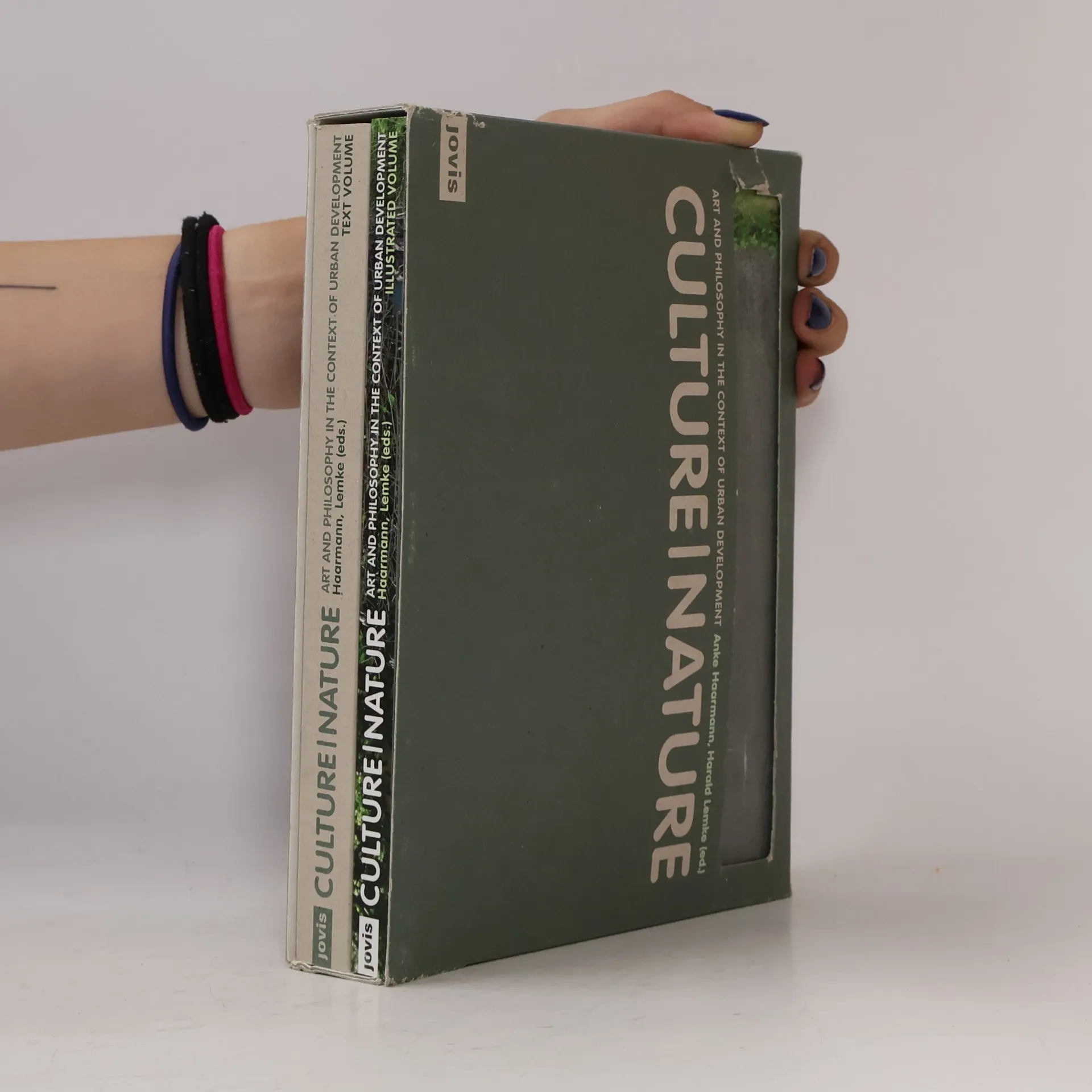
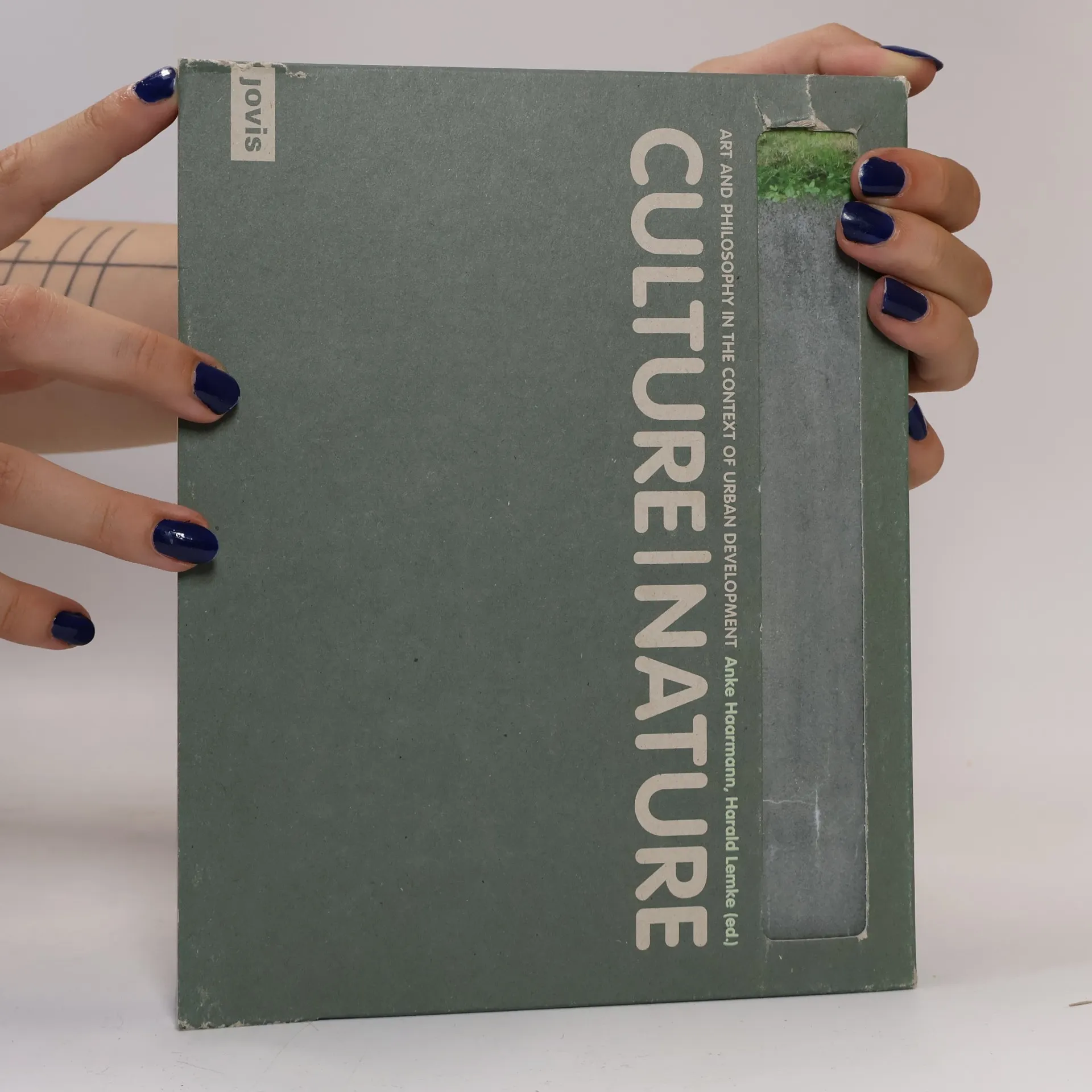
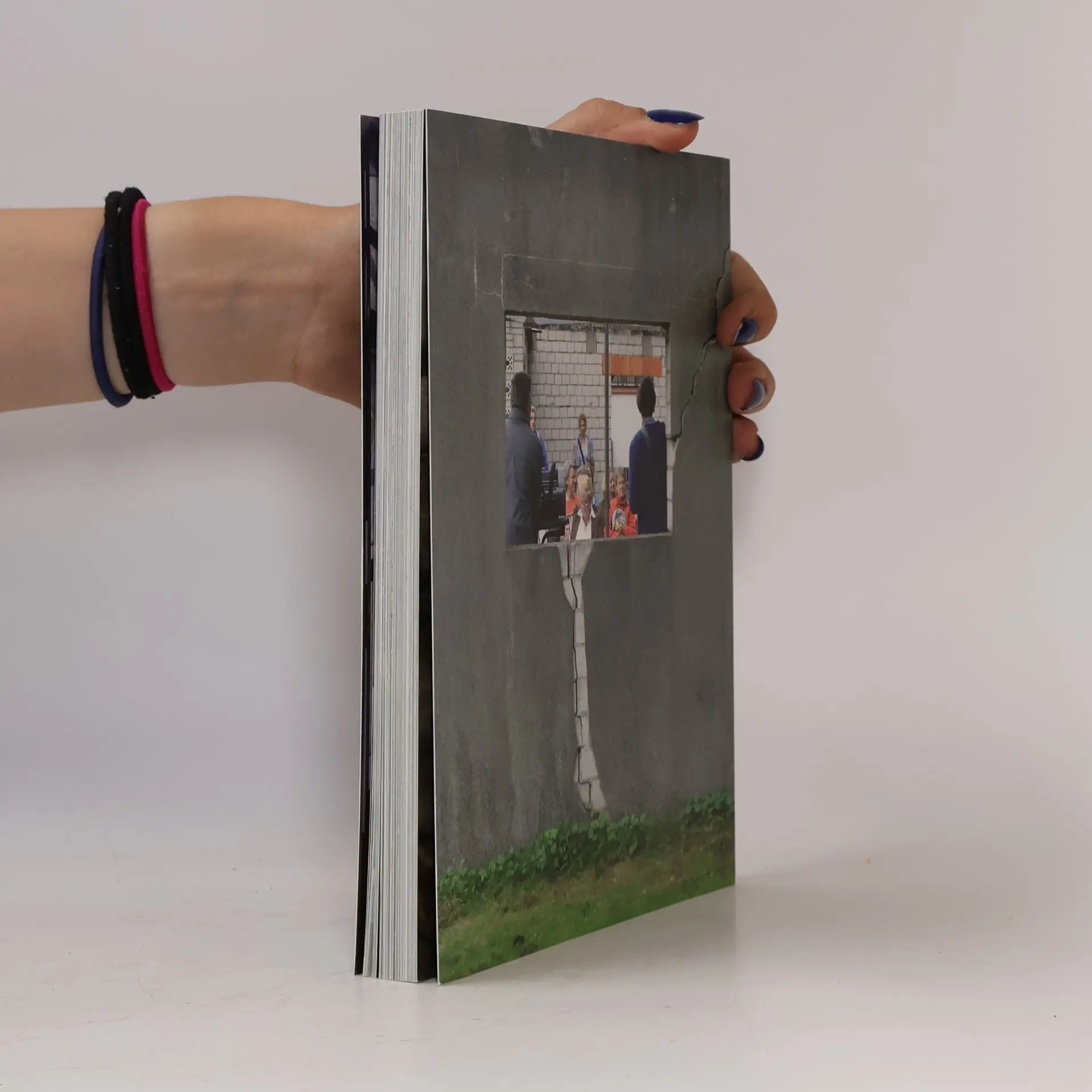
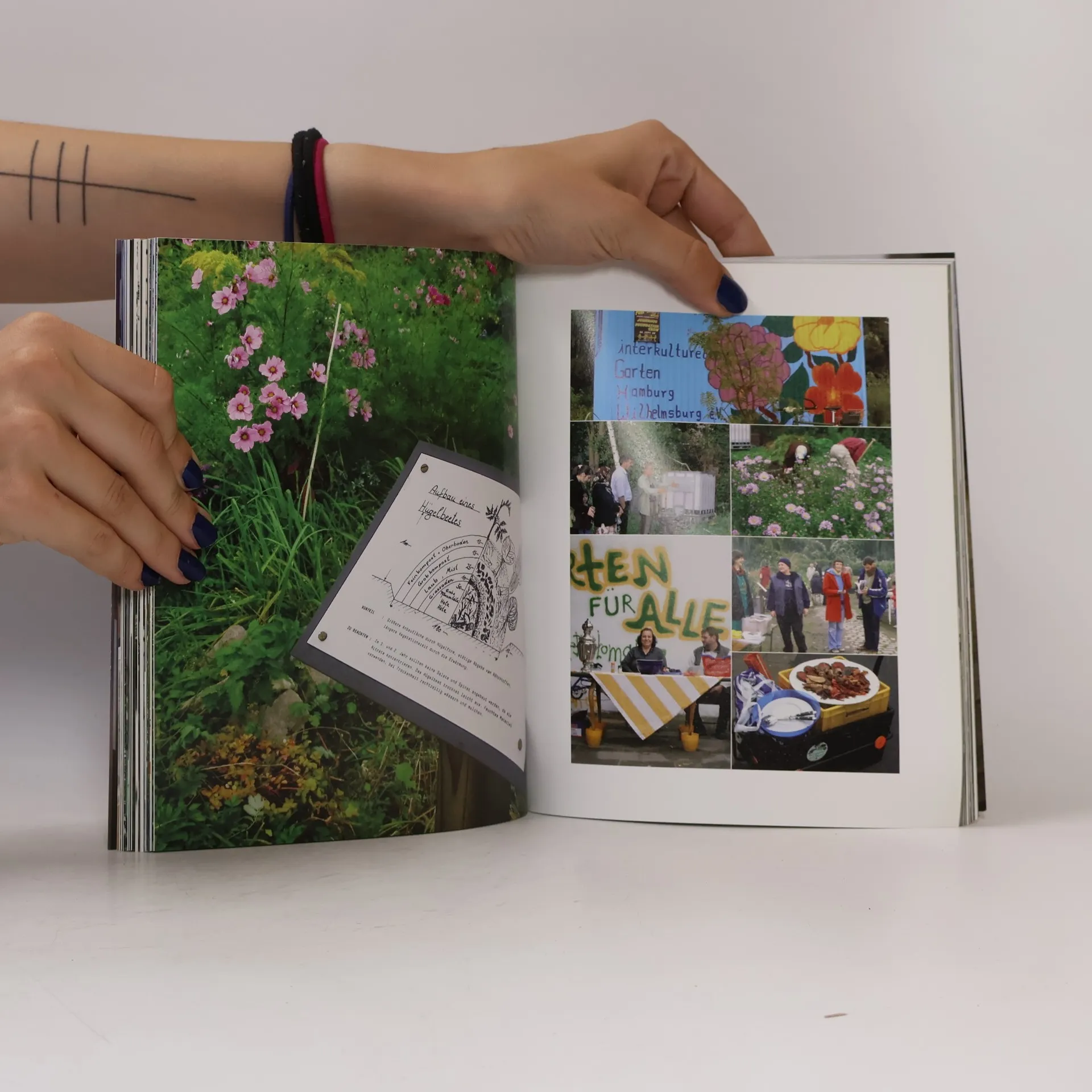
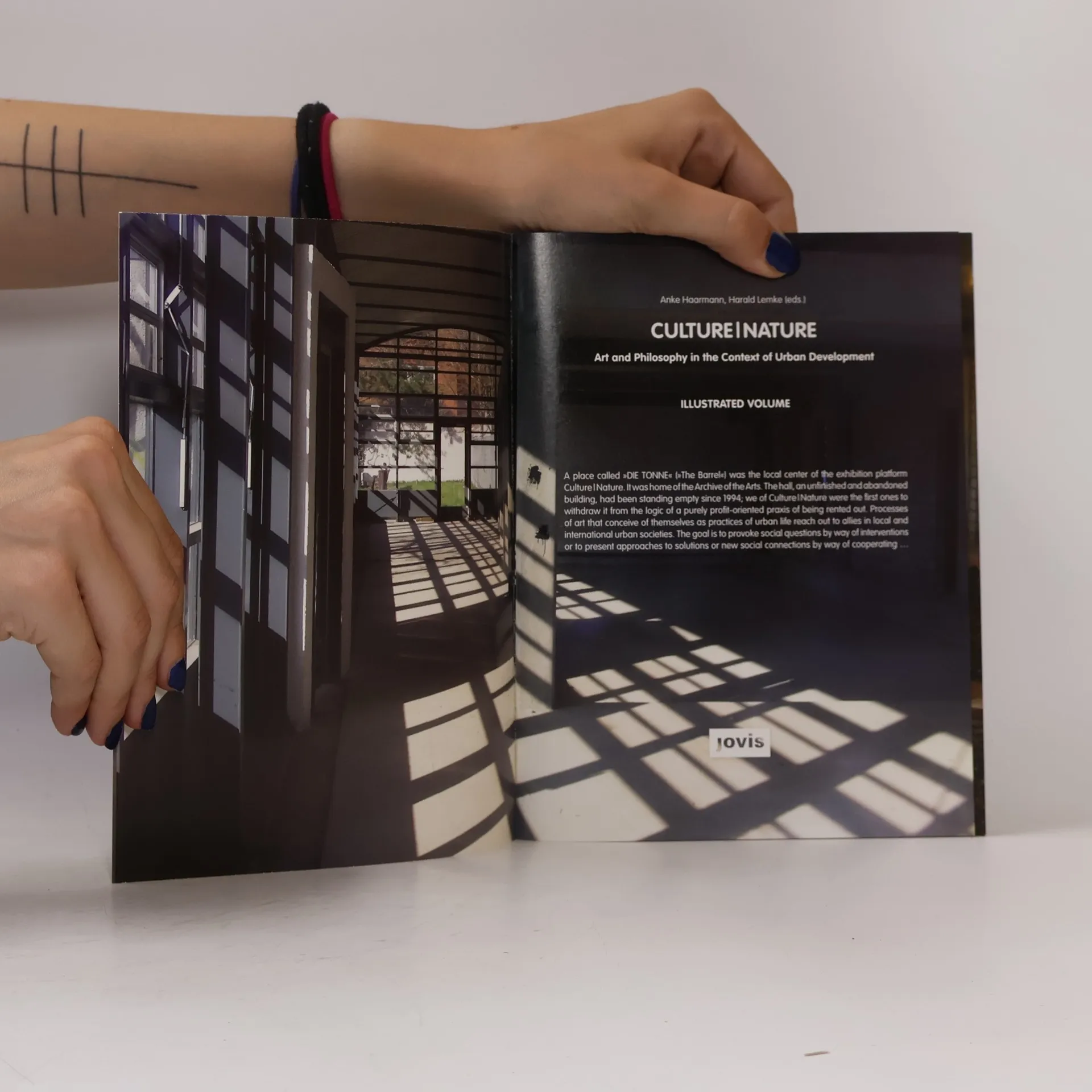
Currently, big cities all over the world are attempting to respond to the challenges of global warming and seeking new perspectives for improved urban life. Possible strategies are often conceived by urban planners and implemented according to a top-down scheme. But are such “master plans” the only correct approach to the complex question of achieving a socially and ecologically just future, and a committed urban population that wants its local expertise to be taken into account as well? Against the background of the complicated relations between “urban culture” and “threatened nature,” this book presents cooperative planning processes, artistic interventions, and philosophical reflections, thus showing possible manifestations of a sustainable urban development that involves local citizens and protagonists.
Achat du livre
Culture - nature, Harald Lemke, Anke Haarmann
- Langue

- Année de publication
- 2009
- product-detail.submit-box.info.binding
- (souple),
- État du livre
- Abîmé
- Prix
- 4,79 €
Modes de paiement
Personne n'a encore évalué .
- Titre
- Culture - nature
- Sous-titre
- Art and Philosophy in the Context of Urban Development
- Langue
- Anglais
- Auteurs
- Harald Lemke, Anke Haarmann
- Éditeur
- Jovis Verlag
- Publié
- 2009
- Format
- souple
- Pages
- 392
- ISBN10
- 3939633933
- ISBN13
- 9783939633938
- Séries
- Mots clés
- Nonfiction, Art / Culture, Art, Architecture, Architecture et urbanisme, Allemagne, Histoire et théorie de l’art, Histoire de l'art, Hambourg, Urbanisme, urbanisation
- Description
- Currently, big cities all over the world are attempting to respond to the challenges of global warming and seeking new perspectives for improved urban life. Possible strategies are often conceived by urban planners and implemented according to a top-down scheme. But are such “master plans” the only correct approach to the complex question of achieving a socially and ecologically just future, and a committed urban population that wants its local expertise to be taken into account as well? Against the background of the complicated relations between “urban culture” and “threatened nature,” this book presents cooperative planning processes, artistic interventions, and philosophical reflections, thus showing possible manifestations of a sustainable urban development that involves local citizens and protagonists.