

Paramètres
- 352pages
- 13 heures de lecture
En savoir plus sur le livre
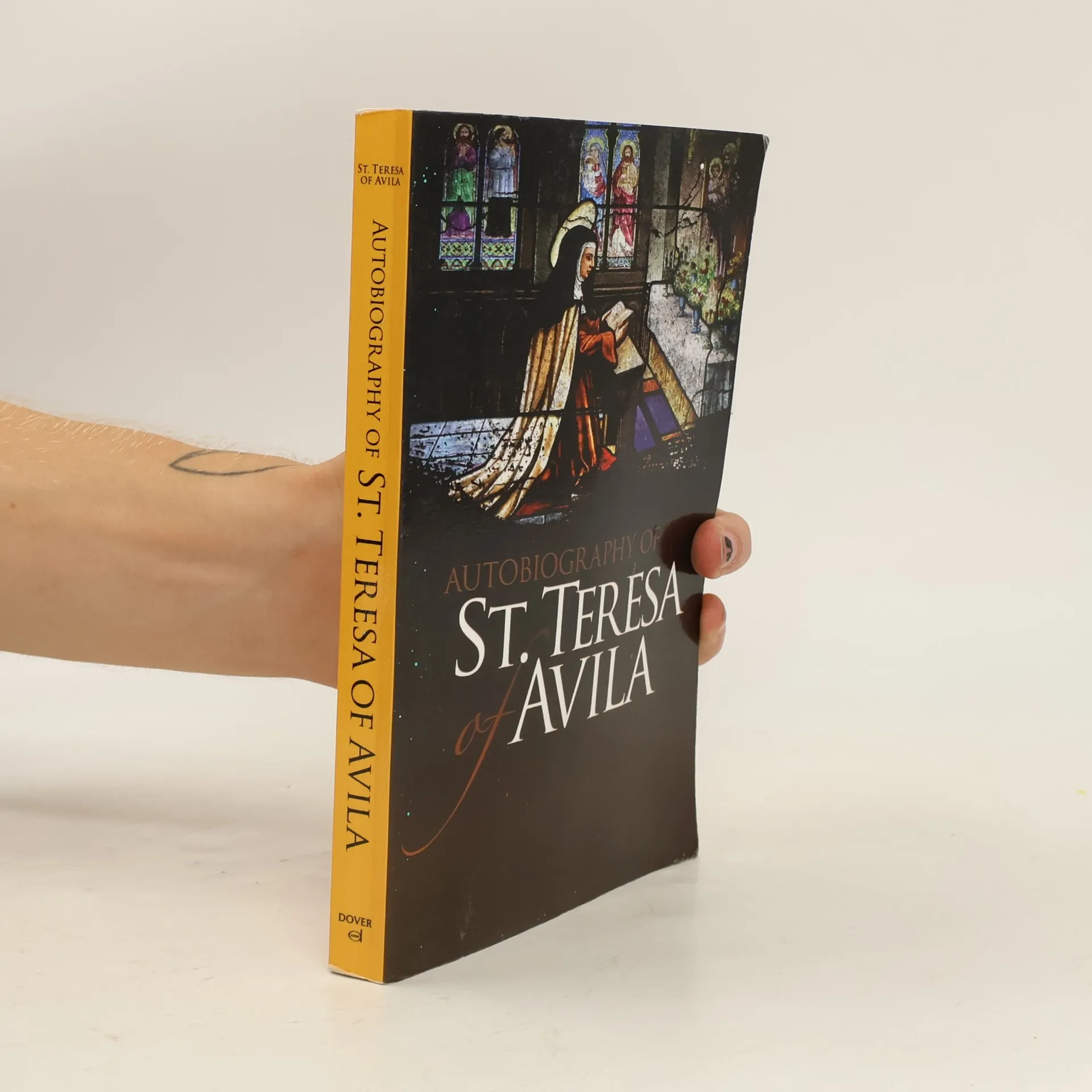
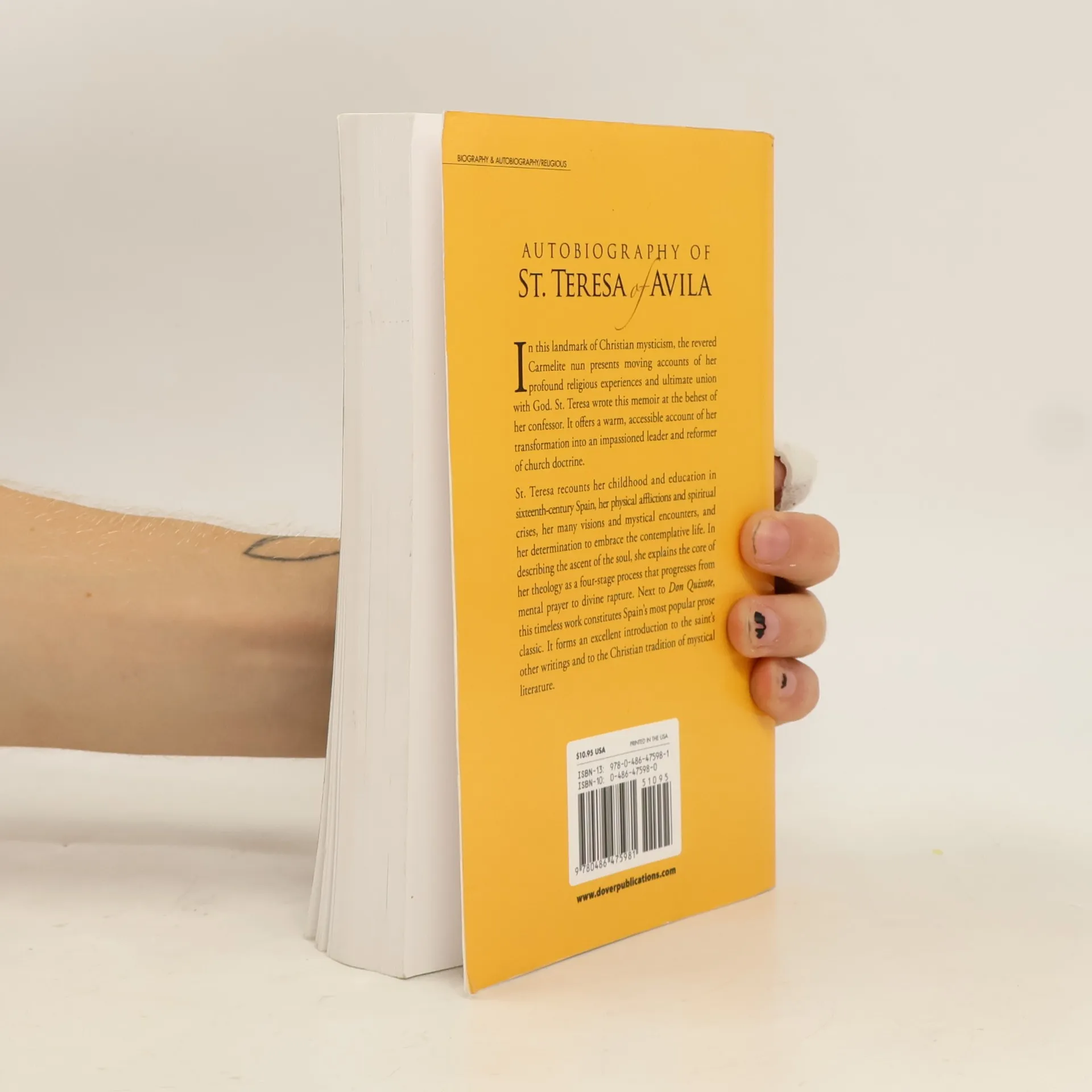
In this landmark of Christian mysticism, the revered Carmelite nun presents moving accounts of her profound religious experiences and ultimate union with God. St. Teresa wrote this memoir at the behest of her confessor. It offers a warm, accessible account of her transformation into an impassioned leader and reformer of church doctrine. St. Teresa recounts her childhood and education in sixteenth-century Spain, her physical afflictions and spiritual crises, her many visions and mystical encounters, and her determination to embrace the contemplative life. In describing the ascent of the soul, she explains the core of her theology as a four-stage process that progresses from mental prayer to divine rapture. Next to <i>Don Quixote,</i> this timeless work constitutes Spain's most popular prose classic. It forms an excellent introduction to the saint's other writings and to the Christian tradition of mystical literature.
Achat du livre
Autobiography of St. Teresa of Avila, Edgar Allison Peers, Svatá Terezie z. Avily
- Langue

- Année de publication
- 2010
- product-detail.submit-box.info.binding
- (souple),
- État du livre
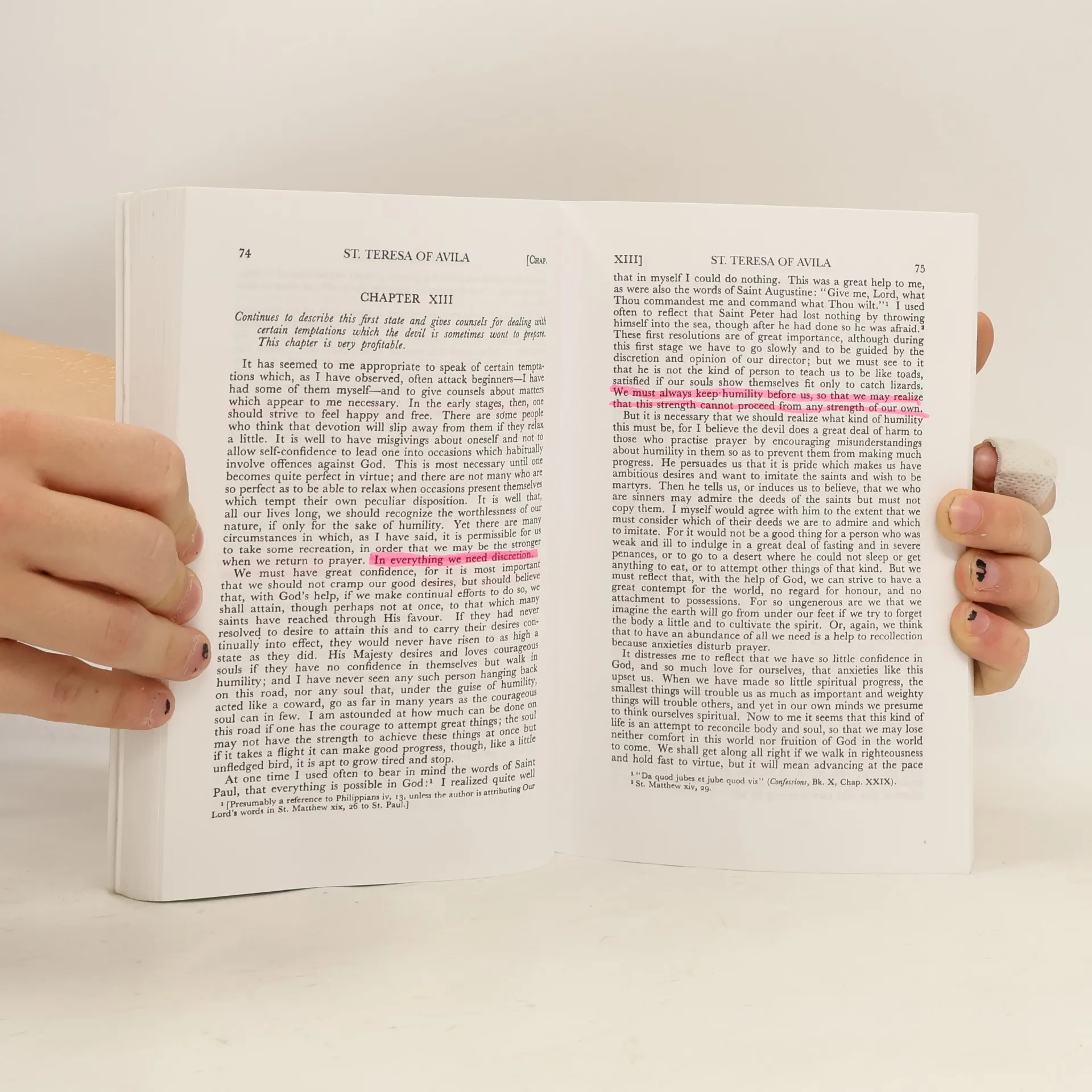
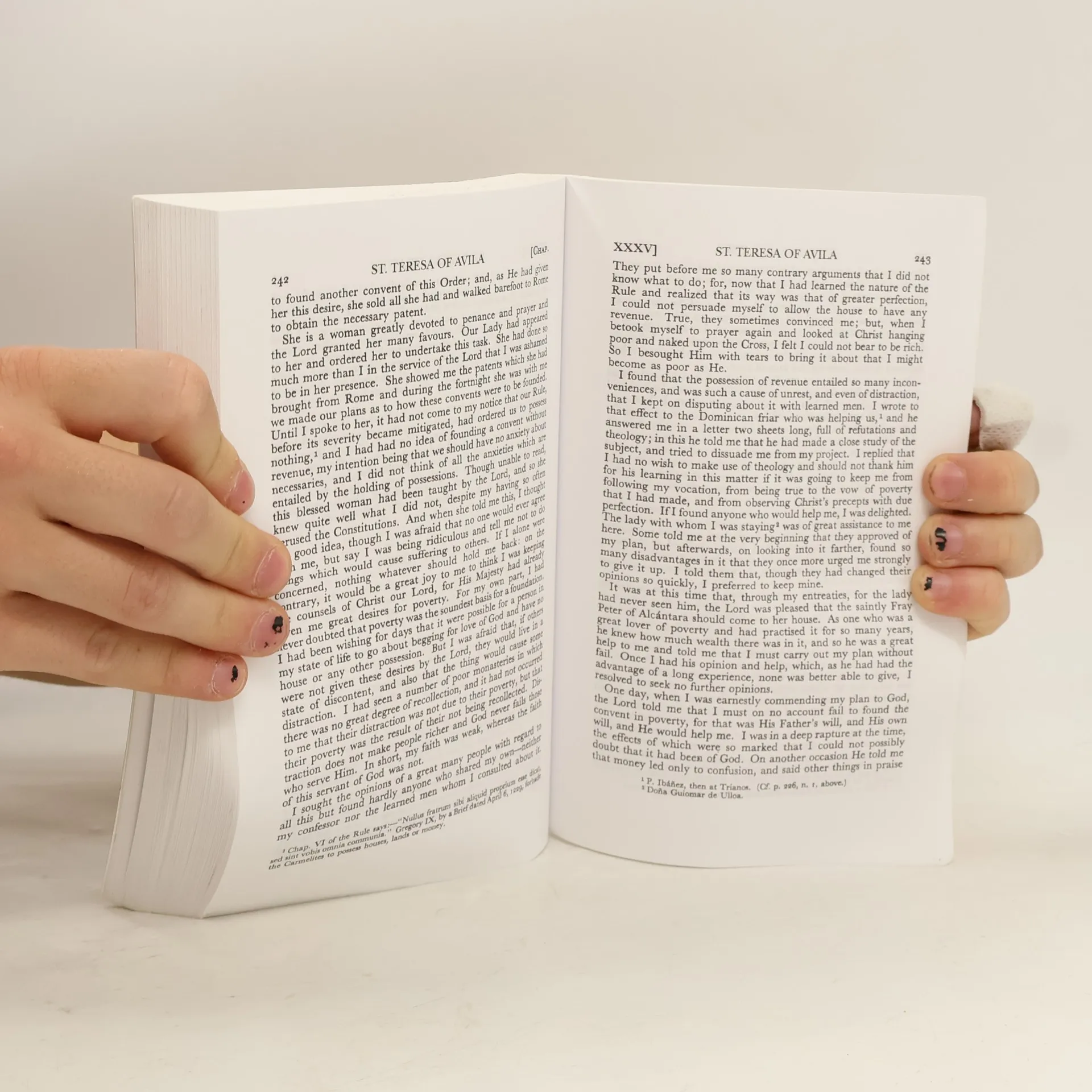
- Abîmé
- Prix
- 12,92 €
Modes de paiement
Personne n'a encore évalué .
- Titre
- Autobiography of St. Teresa of Avila
- Langue
- Anglais
- Éditeur
- Dover Publications
- Publié
- 2010
- Format
- souple
- Pages
- 352
- ISBN10
- 0486475980
- ISBN13
- 9780486475981
- Séries
- Mots clés
- Nonfiction, Thèmes religieux, Religion, Classiques, Spiritualité et spiritualisme, Thèmes chrétiens, Autobiographies et mémoires, Biographies, Théologie, Foi, Église catholique
- Description
- In this landmark of Christian mysticism, the revered Carmelite nun presents moving accounts of her profound religious experiences and ultimate union with God. St. Teresa wrote this memoir at the behest of her confessor. It offers a warm, accessible account of her transformation into an impassioned leader and reformer of church doctrine. St. Teresa recounts her childhood and education in sixteenth-century Spain, her physical afflictions and spiritual crises, her many visions and mystical encounters, and her determination to embrace the contemplative life. In describing the ascent of the soul, she explains the core of her theology as a four-stage process that progresses from mental prayer to divine rapture. Next to <i>Don Quixote,</i> this timeless work constitutes Spain's most popular prose classic. It forms an excellent introduction to the saint's other writings and to the Christian tradition of mystical literature.