



Paramètres
- 298pages
- 11 heures de lecture
En savoir plus sur le livre
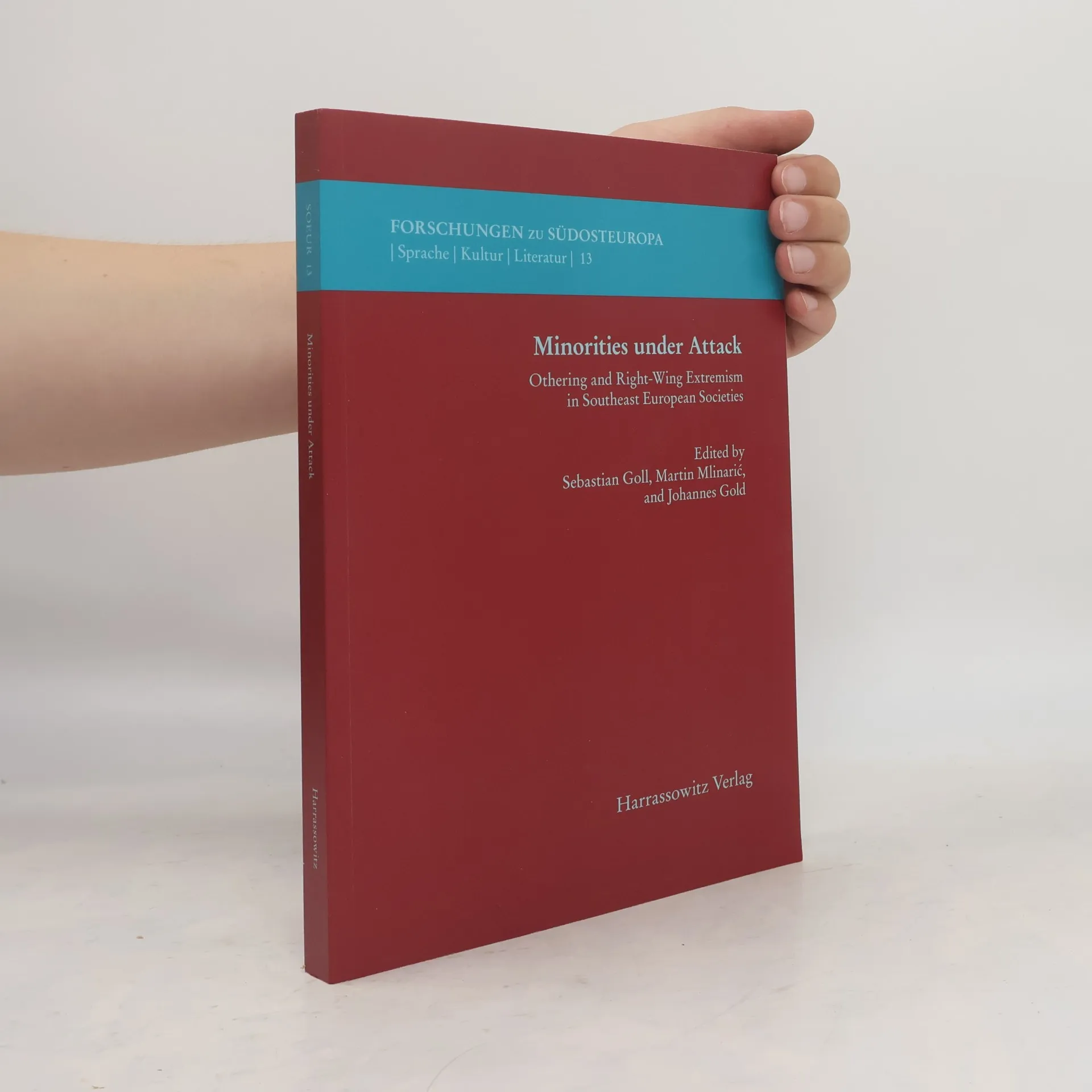
Southeastern Europe (SEE) is often depicted in the media as a region marked by the exclusion of the “Other,” with xenophobia, racism, homophobia, anti-Semitism, and anti-Ziganism deeply embedded in European societies. This is evident in the growing hostility towards Muslims in countries like Denmark, Germany, and Sweden, as seen in debates about “poverty- and social welfare-migrants” from Bulgaria, Kosovo, and Romania, alongside anti-Islam movements like PEGIDA. This volume aims to contribute nuanced insights to these discussions by presenting empirical case studies on various forms of othering across different national contexts in SEE. The contributions offer actual insights for comparative analysis and explore transnational aspects. Methodologically, the volume adopts a multilayered perspective, drawing from diverse academic approaches, including historiography, remembrance history, poststructuralist discourse analysis, intersectional feminist and queer research, network analysis, social movements studies, quantitative methods, societal comparison, and anthropology. The editors have assembled a wide range of contributors from various disciplines in Southeastern Europe and Germany, making this a multifaceted exploration of othering in SEE. Given the current refugee crisis, the relevance of these texts extends to the broader European context.
Achat du livre
Forschungen zu Südosteuropa - 13: Minorities Under Attack, Sebastian Goll, Martin Mlinarić, Johannes Friedrich Gold
- Langue

- Année de publication
- 2016
- Reliure
- (souple),
- État du livre
- Très bon
- Prix
- 9,39 €
Modes de paiement
Personne n'a encore évalué .
- Titre
- Forschungen zu Südosteuropa - 13: Minorities Under Attack
- Sous-titre
- Othering and Right-Wing Extremism in Southeast European Societies
- Langue
- Anglais
- Éditeur
- Harrassowitz
- Publié
- 2016
- Format
- souple
- Pages
- 298
- ISBN10
- 3447105534
- ISBN13
- 9783447105538
- Séries
- Catégories
- Mots clés
- Thème historique, Autres manuels scolaires, Politique, LGBTQ+, Culture et Société, Théories politiques, Histoires culturelles, Genre, Homosexualité, Europe de l'Est, Minorités, Slavistique
- Description
- Southeastern Europe (SEE) is often depicted in the media as a region marked by the exclusion of the “Other,” with xenophobia, racism, homophobia, anti-Semitism, and anti-Ziganism deeply embedded in European societies. This is evident in the growing hostility towards Muslims in countries like Denmark, Germany, and Sweden, as seen in debates about “poverty- and social welfare-migrants” from Bulgaria, Kosovo, and Romania, alongside anti-Islam movements like PEGIDA. This volume aims to contribute nuanced insights to these discussions by presenting empirical case studies on various forms of othering across different national contexts in SEE. The contributions offer actual insights for comparative analysis and explore transnational aspects. Methodologically, the volume adopts a multilayered perspective, drawing from diverse academic approaches, including historiography, remembrance history, poststructuralist discourse analysis, intersectional feminist and queer research, network analysis, social movements studies, quantitative methods, societal comparison, and anthropology. The editors have assembled a wide range of contributors from various disciplines in Southeastern Europe and Germany, making this a multifaceted exploration of othering in SEE. Given the current refugee crisis, the relevance of these texts extends to the broader European context.