


En savoir plus sur le livre
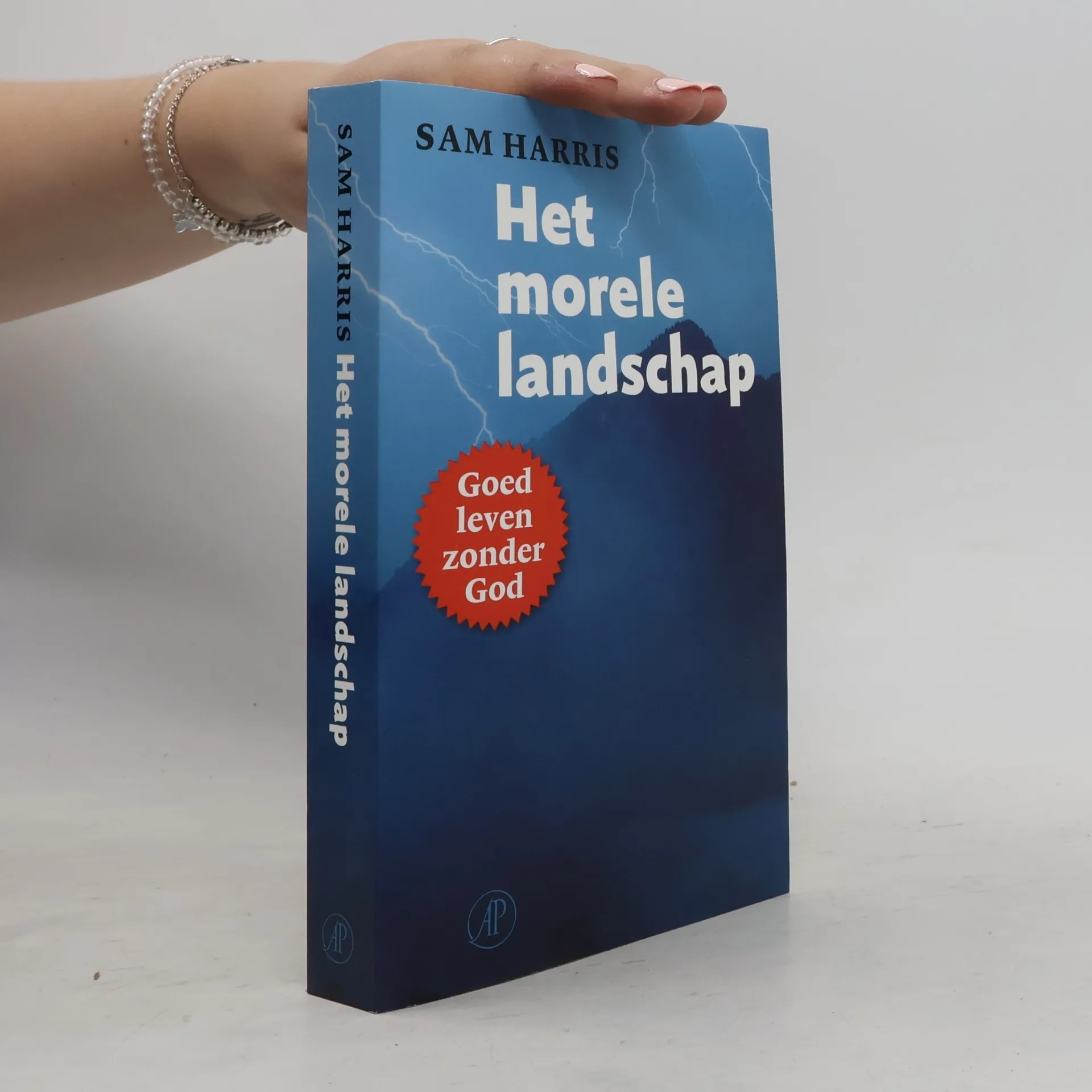
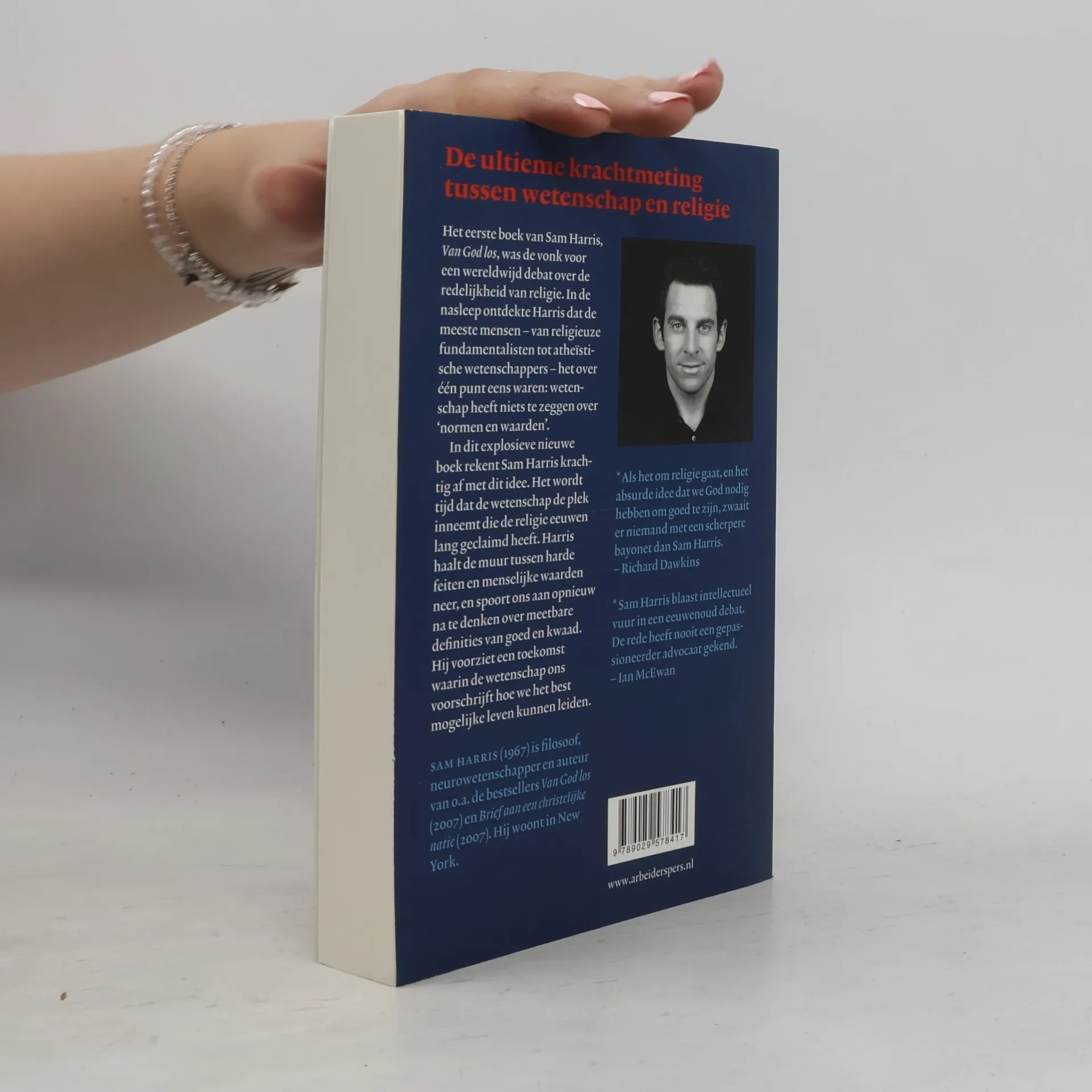
Sam Harris' first book sparked a global debate on the validity of religion, leading him to realize that many, from religious fundamentalists to non-believing scientists, agree that science has little to say about human values. This gap in addressing meaning and morality through science has become a common justification for religious faith and a reason why secularists and moderates feel compelled to respect the superstitions of the devout. In this provocative work, Harris dismantles the barrier between scientific facts and human values, asserting that many misunderstand the relationship between morality and knowledge. He encourages us to view morality through the lens of human and animal well-being, conceptualizing the experiences of conscious beings as a "moral landscape." Harris believes that science should not only describe moral behaviors but also guide us on how to live our best lives. He argues that we possess sufficient understanding of the human brain and its interactions with the world to assert that there are right and wrong answers to crucial moral questions. Consequently, moral relativism is false and detrimental to humanity. Harris contends that religion's influence on human values can be countered, emphasizing that morality, like physics or algebra, should not be confined to religious interpretations. Through his expertise in philosophy and neuroscience, Harris presents a transformative perspective on the future o

Achat du livre
Het morele landschap, Frans van Zetten, Sam Harris
- Langue

- Année de publication
- 2011
- Reliure
- (souple)
Modes de paiement
Il manque plus que ton avis ici.
- Titre
- Het morele landschap
- Sous-titre
- Hoe de wetenschap ons de weg kan wijzen - druk 1
- Langue
- Néerlandais
- Auteurs
- Frans van Zetten, Sam Harris
- Éditeur
- Singel Uitgeverijen
- Publié
- 2011
- Format
- souple
- Pages
- 304
- ISBN10
- 9029578416
- ISBN13
- 9789029578417
- Séries
- Évaluation
- 3,9 sur 5
- Description
- Sam Harris' first book sparked a global debate on the validity of religion, leading him to realize that many, from religious fundamentalists to non-believing scientists, agree that science has little to say about human values. This gap in addressing meaning and morality through science has become a common justification for religious faith and a reason why secularists and moderates feel compelled to respect the superstitions of the devout. In this provocative work, Harris dismantles the barrier between scientific facts and human values, asserting that many misunderstand the relationship between morality and knowledge. He encourages us to view morality through the lens of human and animal well-being, conceptualizing the experiences of conscious beings as a "moral landscape." Harris believes that science should not only describe moral behaviors but also guide us on how to live our best lives. He argues that we possess sufficient understanding of the human brain and its interactions with the world to assert that there are right and wrong answers to crucial moral questions. Consequently, moral relativism is false and detrimental to humanity. Harris contends that religion's influence on human values can be countered, emphasizing that morality, like physics or algebra, should not be confined to religious interpretations. Through his expertise in philosophy and neuroscience, Harris presents a transformative perspective on the future o