

En savoir plus sur le livre
"Fable for Another Time is one of the most significant and far-reaching literary texts of postwar France. Composed in the tumultuous aftermath of World War II, largely in the Danish prison cell where the author was awaiting extradition to France on charges of high treason, the book offers a unique perspective on the war, the postwar political purges in France, and Louis-Ferdinand Celine's own dissident politics." The tale of a man imprisoned and reviled by his own countrymen, the Fable follows its character's decline from virulent hatred to near madness as a result of his violent frustration with the hypocrisy and banality of his fellow human beings. In part because of the story's clear link to his own case - and because of the legal and political difficulties this presented - Celine was compelled to push his famously elliptical, brilliantly vitriolic language to new and extraordinary extremes in Fable for Another Time. The resulting linguistic and stylistic innovation make this work stand out as one of the most original and revealing literary undertakings of its time.


Achat du livre
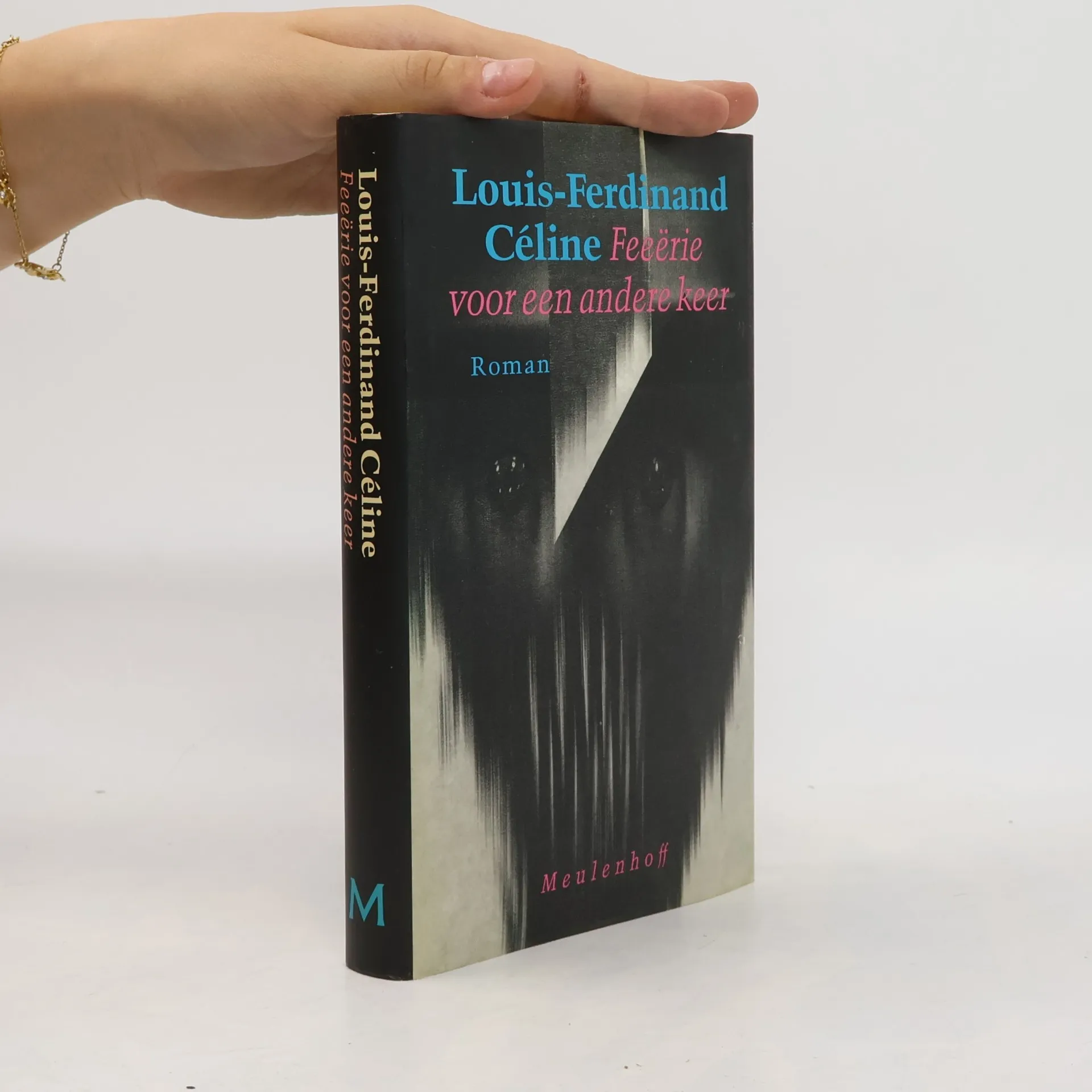
Feeërie voor een andere keer, Louis-Ferdinand Céline, Frans van Woerden
- Langue

- Année de publication
- 1991
- Reliure
- (souple)
Modes de paiement
Il manque plus que ton avis ici.
- Titre
- Feeërie voor een andere keer
- Langue
- Néerlandais
- Éditeur
- Meulenhoff
- Publié
- 1991
- Format
- souple
- Pages
- 248
- ISBN10
- 9029025751
- ISBN13
- 9789029025751
- Catégories
- Mots clés
- Thème historique, France, 20e siècle, Littérature française
- Première publication
- 1952
- Titre original
- Féerie pour une autre fois
- Évaluation
- 3,8 sur 5
- Description
- "Fable for Another Time is one of the most significant and far-reaching literary texts of postwar France. Composed in the tumultuous aftermath of World War II, largely in the Danish prison cell where the author was awaiting extradition to France on charges of high treason, the book offers a unique perspective on the war, the postwar political purges in France, and Louis-Ferdinand Celine's own dissident politics." The tale of a man imprisoned and reviled by his own countrymen, the Fable follows its character's decline from virulent hatred to near madness as a result of his violent frustration with the hypocrisy and banality of his fellow human beings. In part because of the story's clear link to his own case - and because of the legal and political difficulties this presented - Celine was compelled to push his famously elliptical, brilliantly vitriolic language to new and extraordinary extremes in Fable for Another Time. The resulting linguistic and stylistic innovation make this work stand out as one of the most original and revealing literary undertakings of its time.