



Paramètres
- 288pages
- 11 heures de lecture
En savoir plus sur le livre
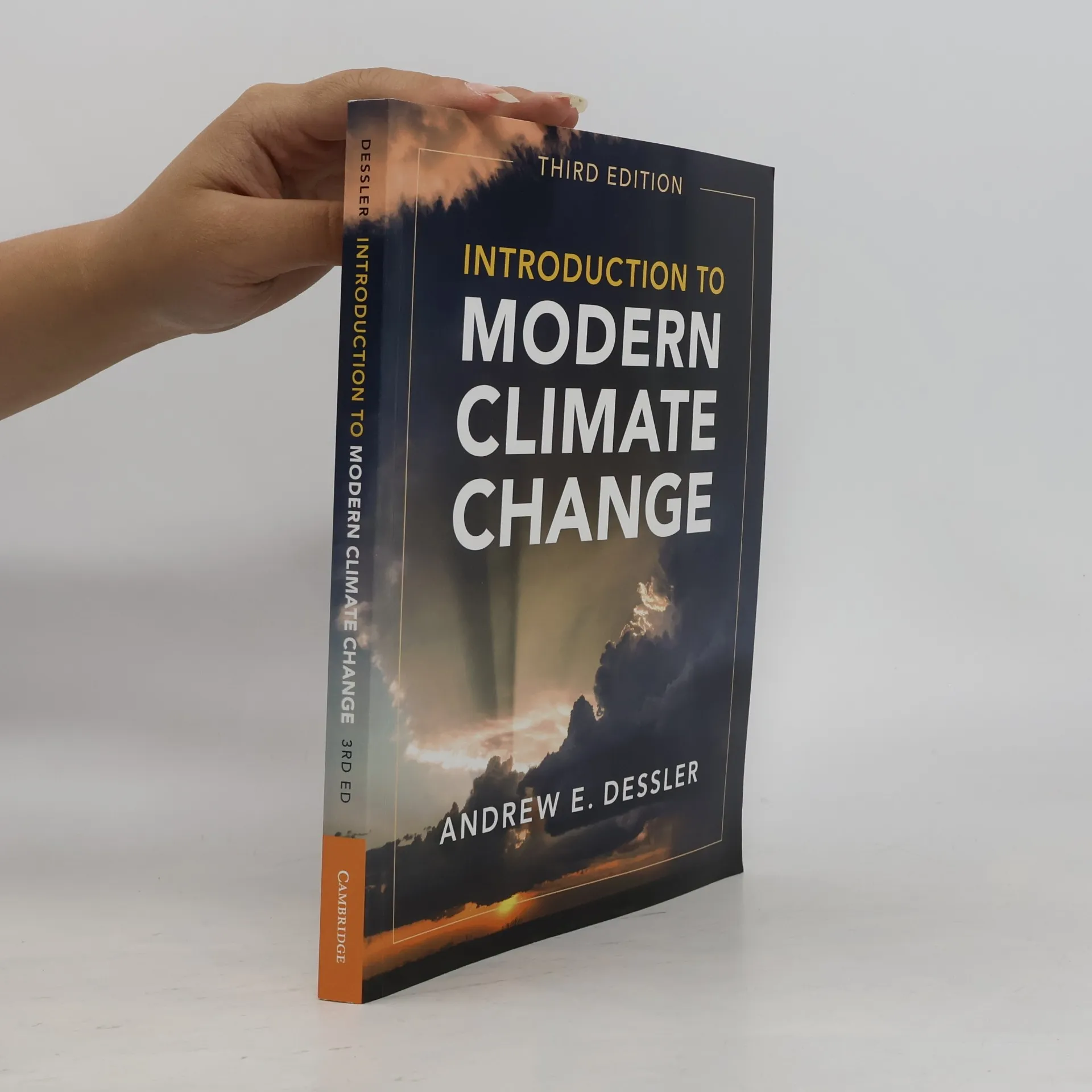
The third edition of this introductory textbook for both science students and non-science majors has been brought completely up-to-date. It reflects the most recent findings from the latest Intergovernmental Panel on Climate Change (IPCC) reports, as well as advances in the political arena around climate change. As in previous editions, it is tightly focussed on anthropogenic climate change. The first part of the book concentrates on the science of modern climate change, including evidence that the Earth is warming and a basic description of climate physics. Concepts such as radiative forcing, climate feedbacks, and the carbon cycle are discussed and explained using basic physics and algebra. The second half of the book goes beyond the science to address the economics and policy options to address climate change. The book's goal is for a student to leave the class ready to engage in the public policy debate on the climate crisis.
Achat du livre
Introduction to Modern Climate Change, Andrew E. Dessler
- Langue

- Année de publication
- 2021
- Reliure
- (souple)
Modes de paiement
Personne n'a encore évalué .
- Titre
- Introduction to Modern Climate Change
- Sous-titre
- Third Edition
- Langue
- Anglais
- Auteurs
- Andrew E. Dessler
- Éditeur
- Cambridge University Press
- Publié
- 2021
- Format
- souple
- Pages
- 288
- ISBN10
- 1108793878
- ISBN13
- 9781108793872
- Séries
- Catégories
- Mots clés
- Commerce, Sciences naturelles, Thématique juridique, Science, Thématique écologique, Manuels de biologie, Changements climatiques, Géologie, Météorologie et climatologie, Climat, Droit international, Économie environnementale
- Description
- The third edition of this introductory textbook for both science students and non-science majors has been brought completely up-to-date. It reflects the most recent findings from the latest Intergovernmental Panel on Climate Change (IPCC) reports, as well as advances in the political arena around climate change. As in previous editions, it is tightly focussed on anthropogenic climate change. The first part of the book concentrates on the science of modern climate change, including evidence that the Earth is warming and a basic description of climate physics. Concepts such as radiative forcing, climate feedbacks, and the carbon cycle are discussed and explained using basic physics and algebra. The second half of the book goes beyond the science to address the economics and policy options to address climate change. The book's goal is for a student to leave the class ready to engage in the public policy debate on the climate crisis.