



Paramètres
- 256pages
- 9 heures de lecture
En savoir plus sur le livre
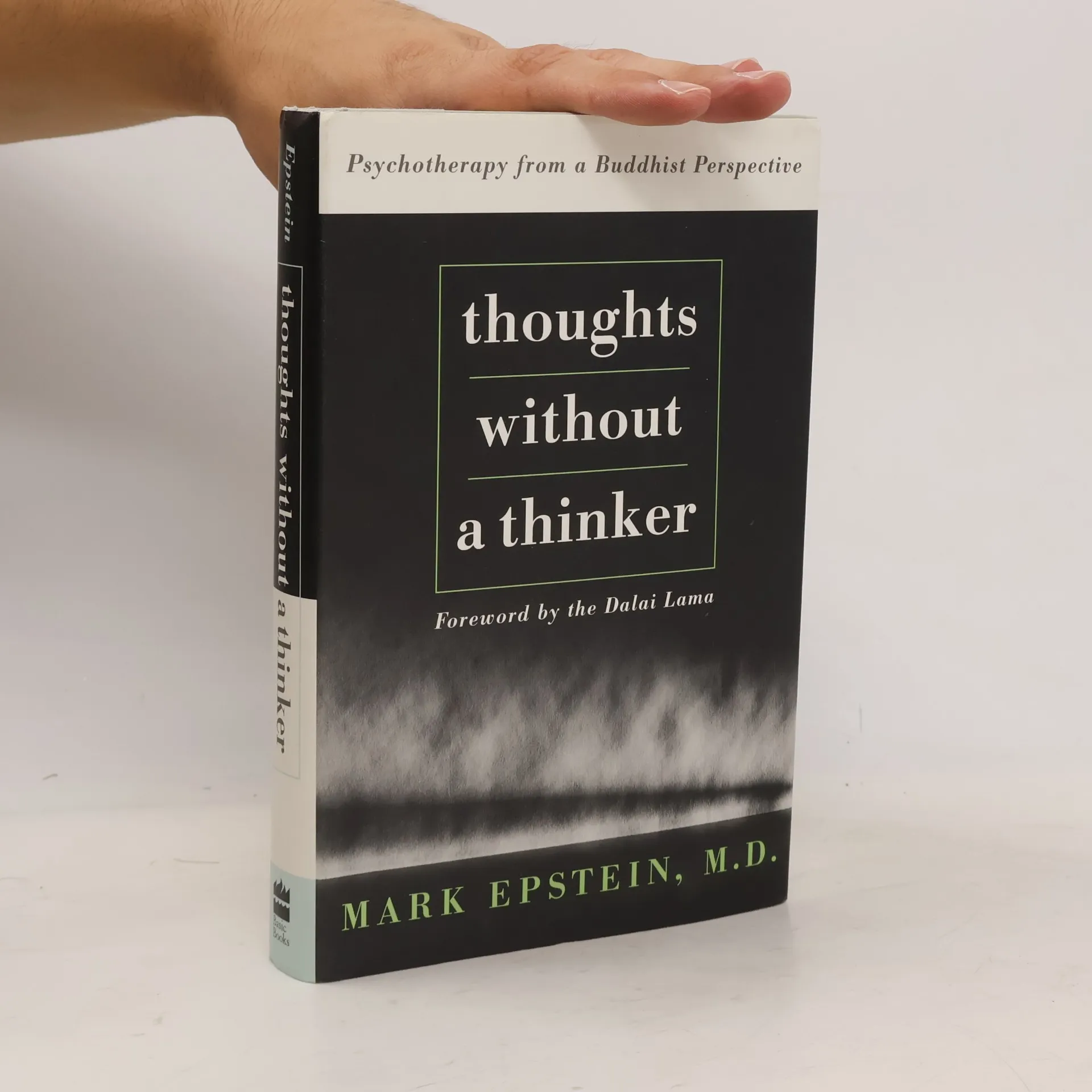
Traditional distinctions between matters of the mind and matters of the spirit are increasingly being questioned, and people are searching for alternate perspectives on these issues. <i>Thoughts Without a Thinker</i> is a major contribution to today's exploding discussion of how Eastern spirituality can enhance Western psychology. In it, Mark Epstein argues that the contemplative traditions of the East can be extremely beneficial to patients, not just in helping them recognize their problems, but by giving them the strength to heal. Clearly written and very accessible, this enlightening guide explains the unique psychological contributions of the teachings of Buddhism, describes the path of meditation in contemporary psychological language, and lays out the possibility of a meditation-inspired psychotherapy.
Achat du livre
Thoughts Without a Thinker, Mark Epstein, The Dalai Lama
- Langue

- Année de publication
- 1995
- product-detail.submit-box.info.binding
- (rigide),
- État du livre
- Très bon
- Prix
- 10,99 €
Modes de paiement
Personne n'a encore évalué .
- Titre
- Thoughts Without a Thinker
- Sous-titre
- Psychotherapy From a Buddhist Perspective
- Langue
- Anglais
- Auteurs
- Mark Epstein, The Dalai Lama
- Éditeur
- Basic Books
- Publié
- 1995
- Format
- rigide
- Pages
- 256
- ISBN10
- 0465039316
- ISBN13
- 9780465039319
- Séries
- Mots clés
- Nonfiction, Motivation & Bien-être, Religion, Philosophie, Psychologie, Spiritualité et spiritualisme, Bouddhisme, Psychothérapie, Pleine conscience
- Description
- Traditional distinctions between matters of the mind and matters of the spirit are increasingly being questioned, and people are searching for alternate perspectives on these issues. <i>Thoughts Without a Thinker</i> is a major contribution to today's exploding discussion of how Eastern spirituality can enhance Western psychology. In it, Mark Epstein argues that the contemplative traditions of the East can be extremely beneficial to patients, not just in helping them recognize their problems, but by giving them the strength to heal. Clearly written and very accessible, this enlightening guide explains the unique psychological contributions of the teachings of Buddhism, describes the path of meditation in contemporary psychological language, and lays out the possibility of a meditation-inspired psychotherapy.