

Paramètres
- 400pages
- 14 heures de lecture
En savoir plus sur le livre
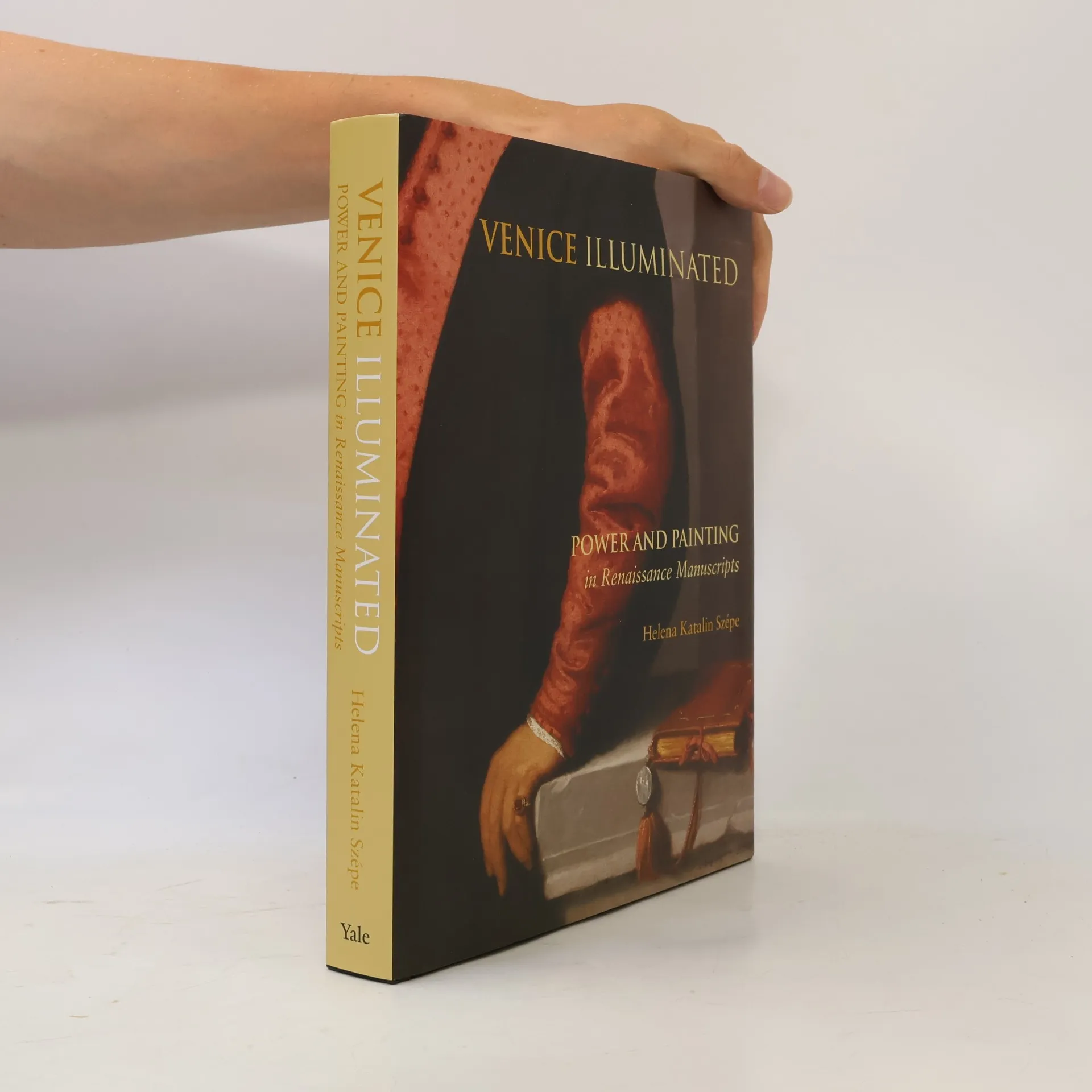
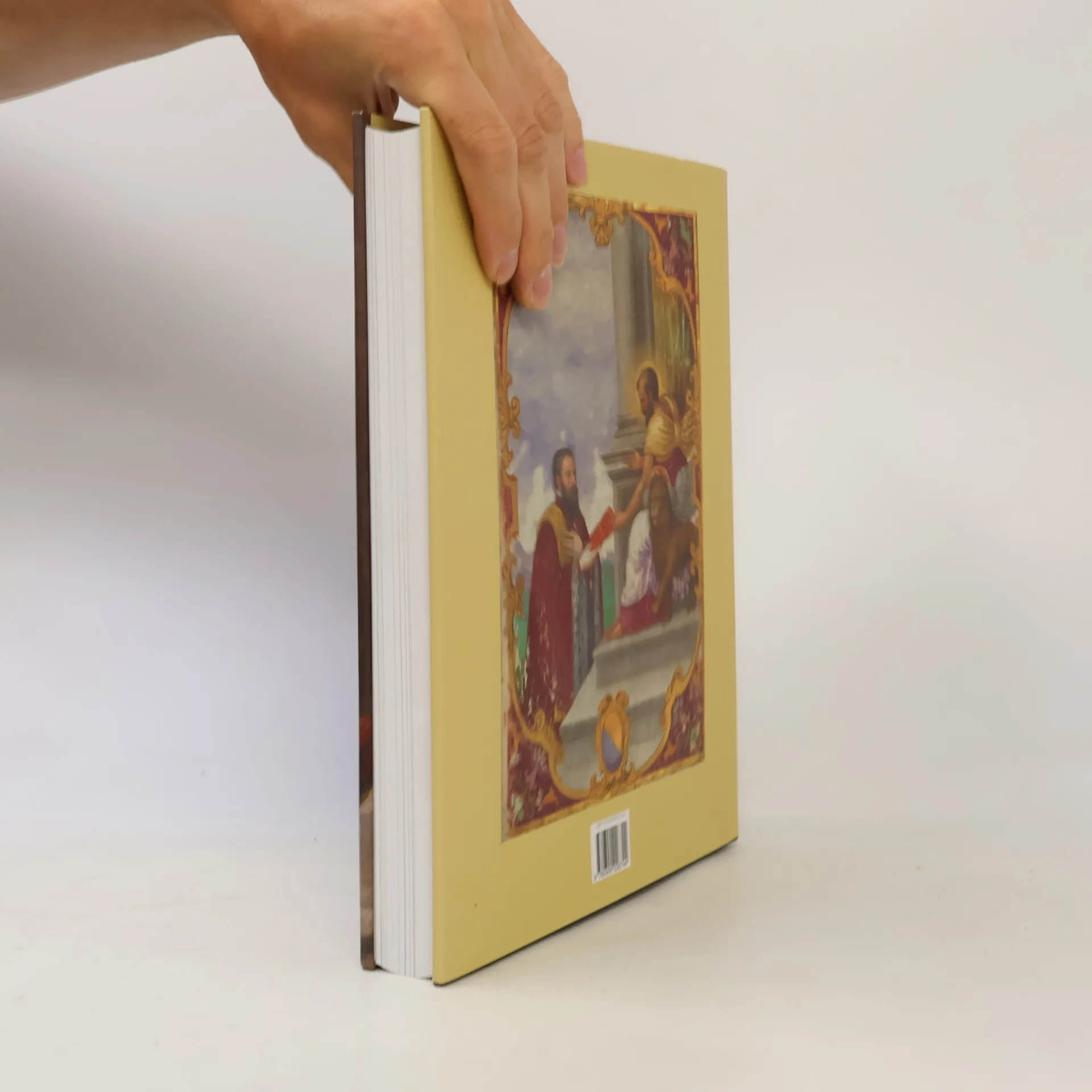
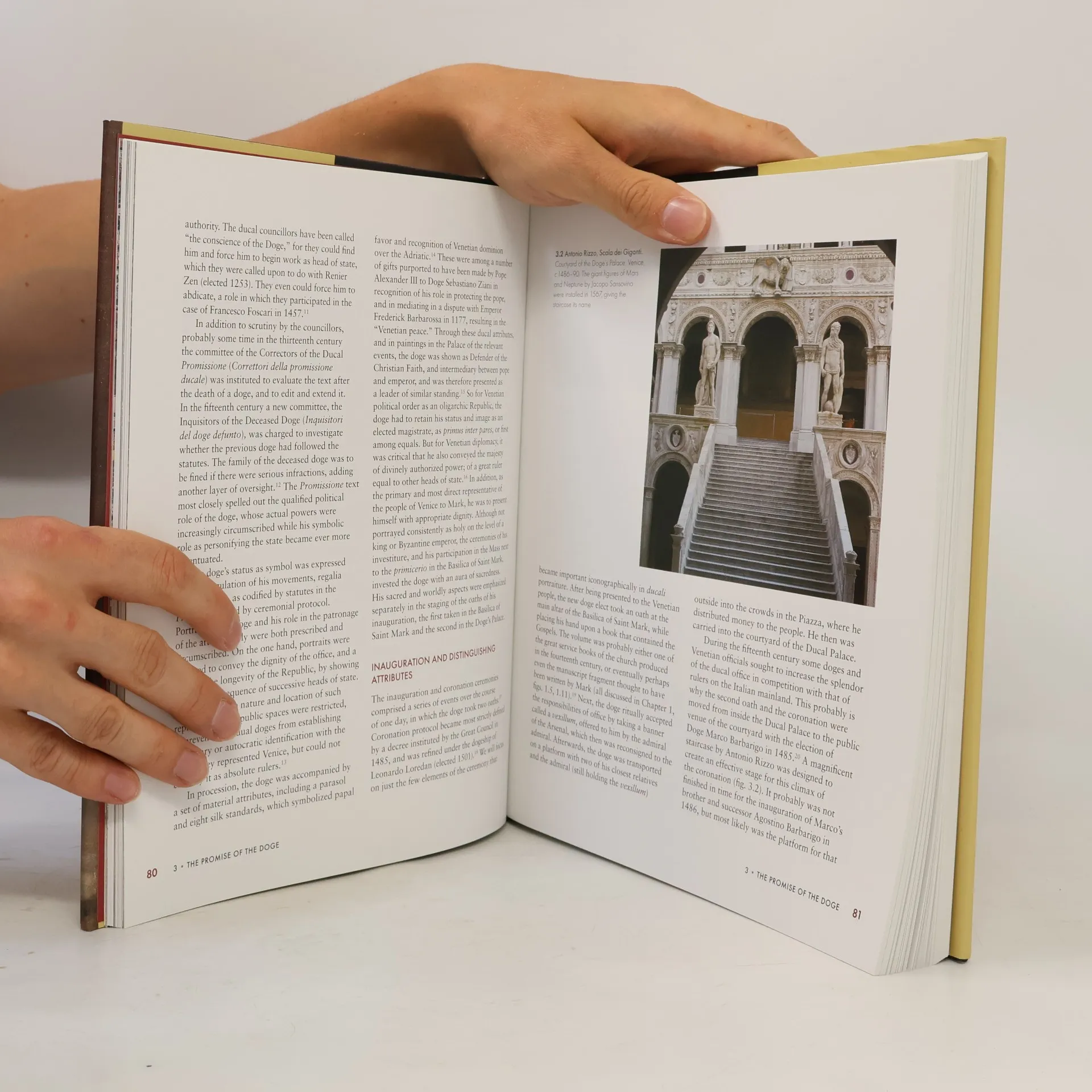
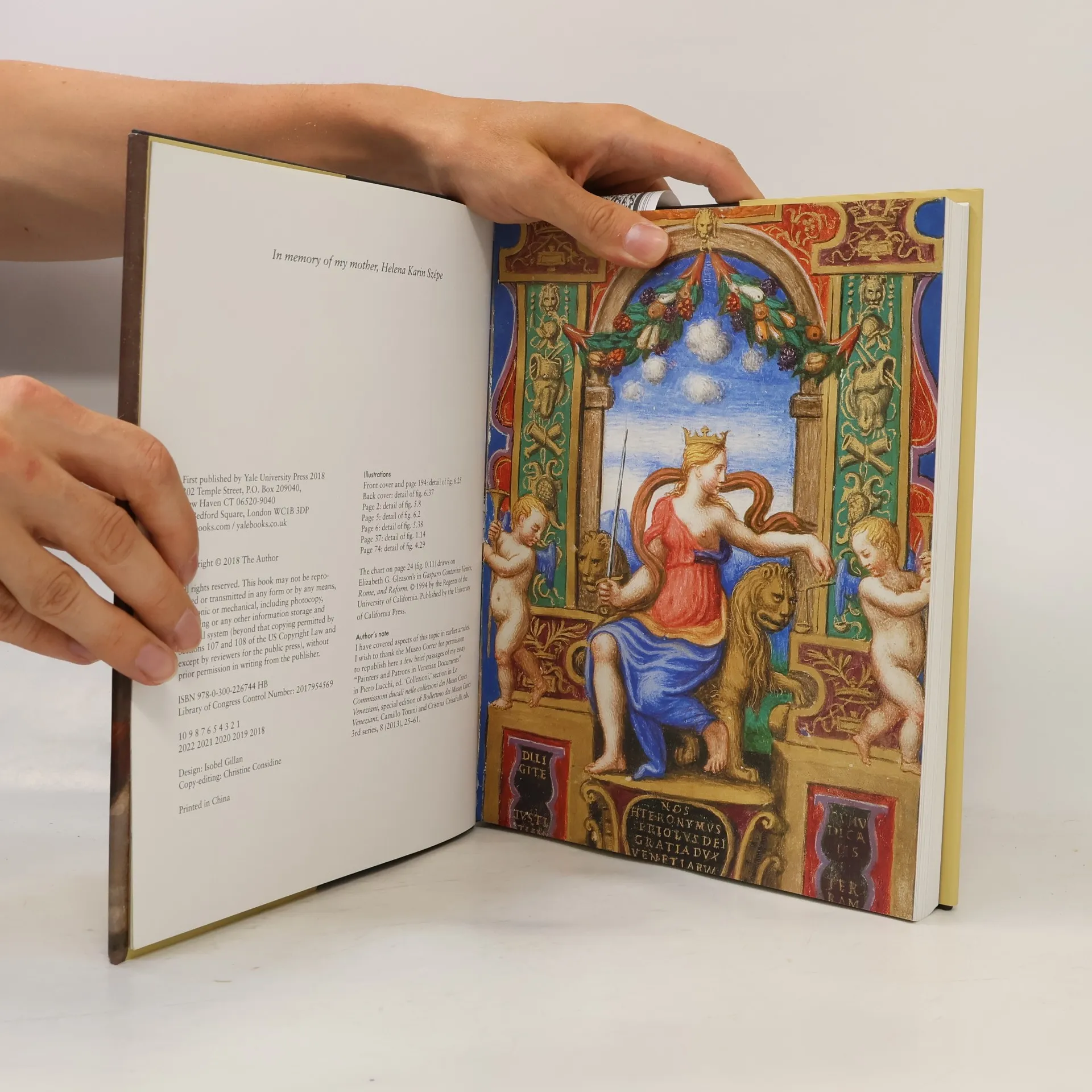
For patricians in the Republic of Venice, paintings in manuscripts marking their appointment to high office expressed a tension between selfless service and individual ambition. Originally of value in confirming and instructing an elected officer, these unique documents were transformed through art into enduring monuments promoting state ideals, individual status, and family memory. This book introduces the reader to a long-hidden world of beautiful and complex images, and to tales of personal sacrifice, political maneuvering, and family intrigue. Analysis of these small paintings within books opens up new perspectives on canonical works by such artists as Giovanni Bellini, Titian, and Veronese, as well as on tomb sculptures and public memorials. Extensive original material on artistic patronage in Venice and its territories abroad encourages an expanded understanding of art in the service of the state and of Venice as empire.
Achat du livre
Venice Illuminated, Helena Katalin Szépe
- Langue

- Année de publication
- 2018
- Reliure
- (rigide)
Modes de paiement
Personne n'a encore évalué .
- Titre
- Venice Illuminated
- Sous-titre
- Power and Painting in Renaissance Manuscripts
- Langue
- Anglais
- Auteurs
- Helena Katalin Szépe
- Éditeur
- Yale University Press
- Publié
- 2018
- Format
- rigide
- Pages
- 400
- ISBN10
- 0300226748
- ISBN13
- 9780300226744
- Séries
- Catégories
- Mots clés
- Thème historique, Art, États-Unis, Europe, Europe du Sud, Italie, Histoire de l'art, Critique littéraire, Aristocratie, noblesse, Renaissance (époque), Venise, Symbolisme, Art Renaissance, Autorité, Documents d'archives
- Description
- For patricians in the Republic of Venice, paintings in manuscripts marking their appointment to high office expressed a tension between selfless service and individual ambition. Originally of value in confirming and instructing an elected officer, these unique documents were transformed through art into enduring monuments promoting state ideals, individual status, and family memory. This book introduces the reader to a long-hidden world of beautiful and complex images, and to tales of personal sacrifice, political maneuvering, and family intrigue. Analysis of these small paintings within books opens up new perspectives on canonical works by such artists as Giovanni Bellini, Titian, and Veronese, as well as on tomb sculptures and public memorials. Extensive original material on artistic patronage in Venice and its territories abroad encourages an expanded understanding of art in the service of the state and of Venice as empire.