


Paramètres
- 256pages
- 9 heures de lecture
En savoir plus sur le livre
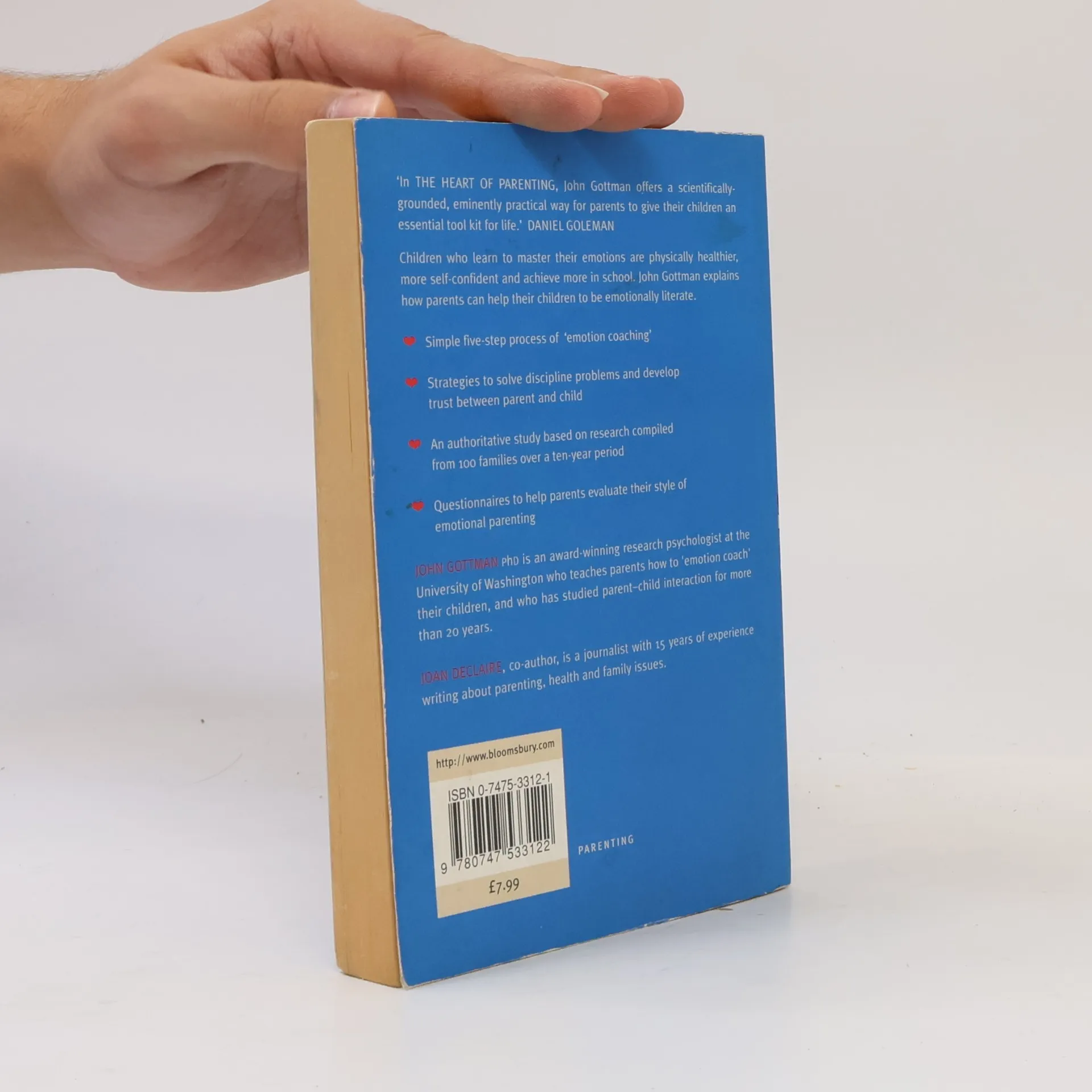
In <i>Raising an Emotionally Intelligent Child</i>, psychology professor John Gottman explores the emotional relationship between parents and children. It's not enough to simply reject an authoritarian model of parenting, Gottman says. A parent needs to be concerned with the quality of emotional interactions. Gottman, author of <i>Why Marriages Succeed or Fail</i>, and coauthor Joan Declaire focus first on the parent (a "know thyself" approach), and provide a series of exercises to assess parenting styles and emotional self-awareness. The authors identify a five-step "emotion coaching" process to help teach children how to recognize and address their feelings, which includes becoming aware of the child's emotions; recognizing that dealing with these emotions is an opportunity for intimacy; listening empathetically; helping the child label emotions; setting limits; and problem-solving. Chapters on divorce, fathering, and age-based differences in emotional development help make Gottman's teachings detailed and useful. <i>--Ericka Lutz</i>
Achat du livre
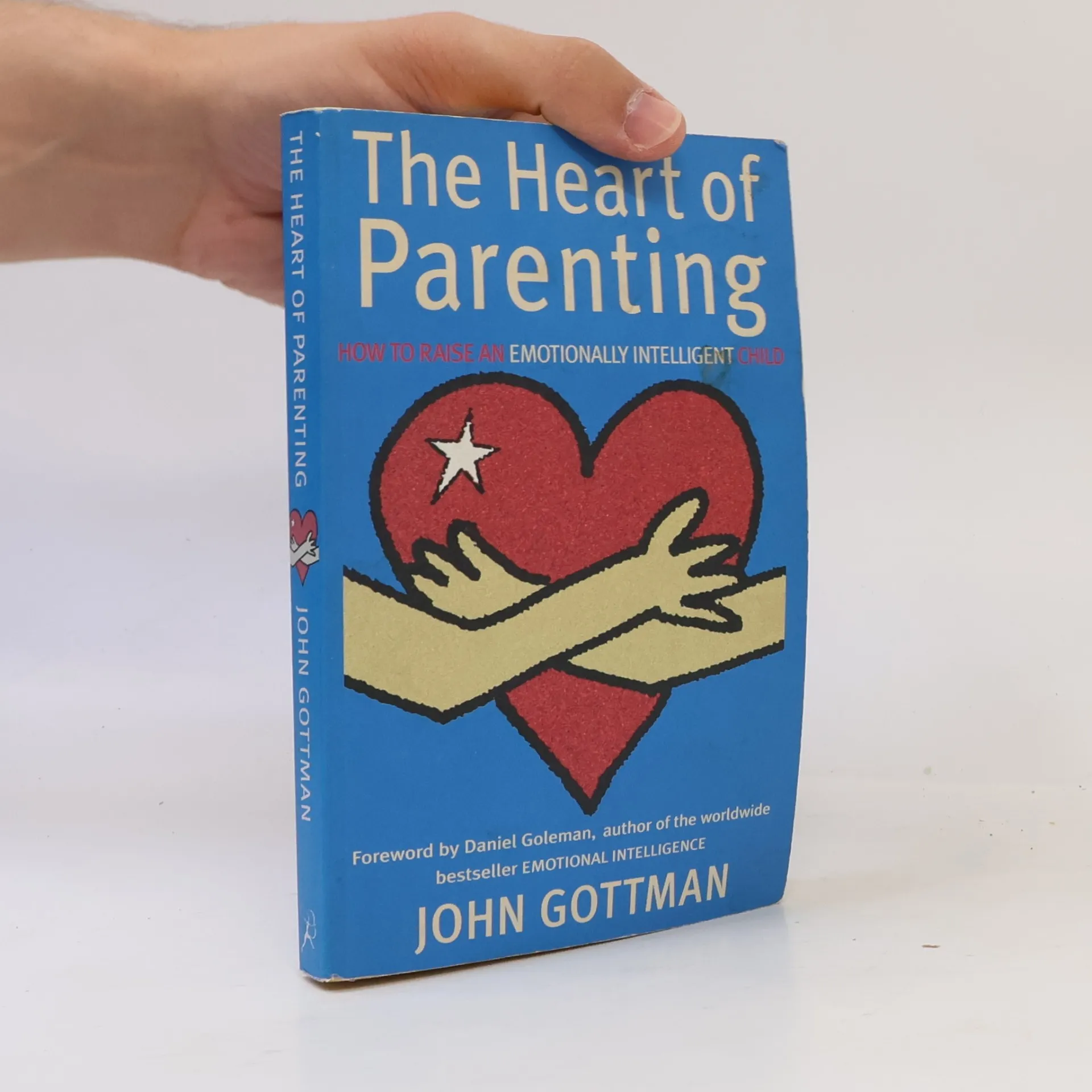
The Heart of Parenting, John Mordechai Gottman, Joan Declaire, Daniel Goleman
- Langue

- Année de publication
- 1997
- product-detail.submit-box.info.binding
- (souple),
- État du livre
- Bon
- Prix
- 39,99 €
Modes de paiement
Personne n'a encore évalué .
- Titre
- The Heart of Parenting
- Sous-titre
- How to Raise an Emotionally Intelligent Child
- Langue
- Anglais
- Éditeur
- Bloomsbury Publishing Plc
- Publié
- 1997
- Format
- souple
- Pages
- 256
- ISBN10
- 0747533121
- ISBN13
- 9780747533122
- Séries
- Mots clés
- Nonfiction, Motivation & Bien-être, Psychologie, Famille, Littérature pour enfants, Relations, Parentalité
- Description
- In <i>Raising an Emotionally Intelligent Child</i>, psychology professor John Gottman explores the emotional relationship between parents and children. It's not enough to simply reject an authoritarian model of parenting, Gottman says. A parent needs to be concerned with the quality of emotional interactions. Gottman, author of <i>Why Marriages Succeed or Fail</i>, and coauthor Joan Declaire focus first on the parent (a "know thyself" approach), and provide a series of exercises to assess parenting styles and emotional self-awareness. The authors identify a five-step "emotion coaching" process to help teach children how to recognize and address their feelings, which includes becoming aware of the child's emotions; recognizing that dealing with these emotions is an opportunity for intimacy; listening empathetically; helping the child label emotions; setting limits; and problem-solving. Chapters on divorce, fathering, and age-based differences in emotional development help make Gottman's teachings detailed and useful. <i>--Ericka Lutz</i>