


En savoir plus sur le livre
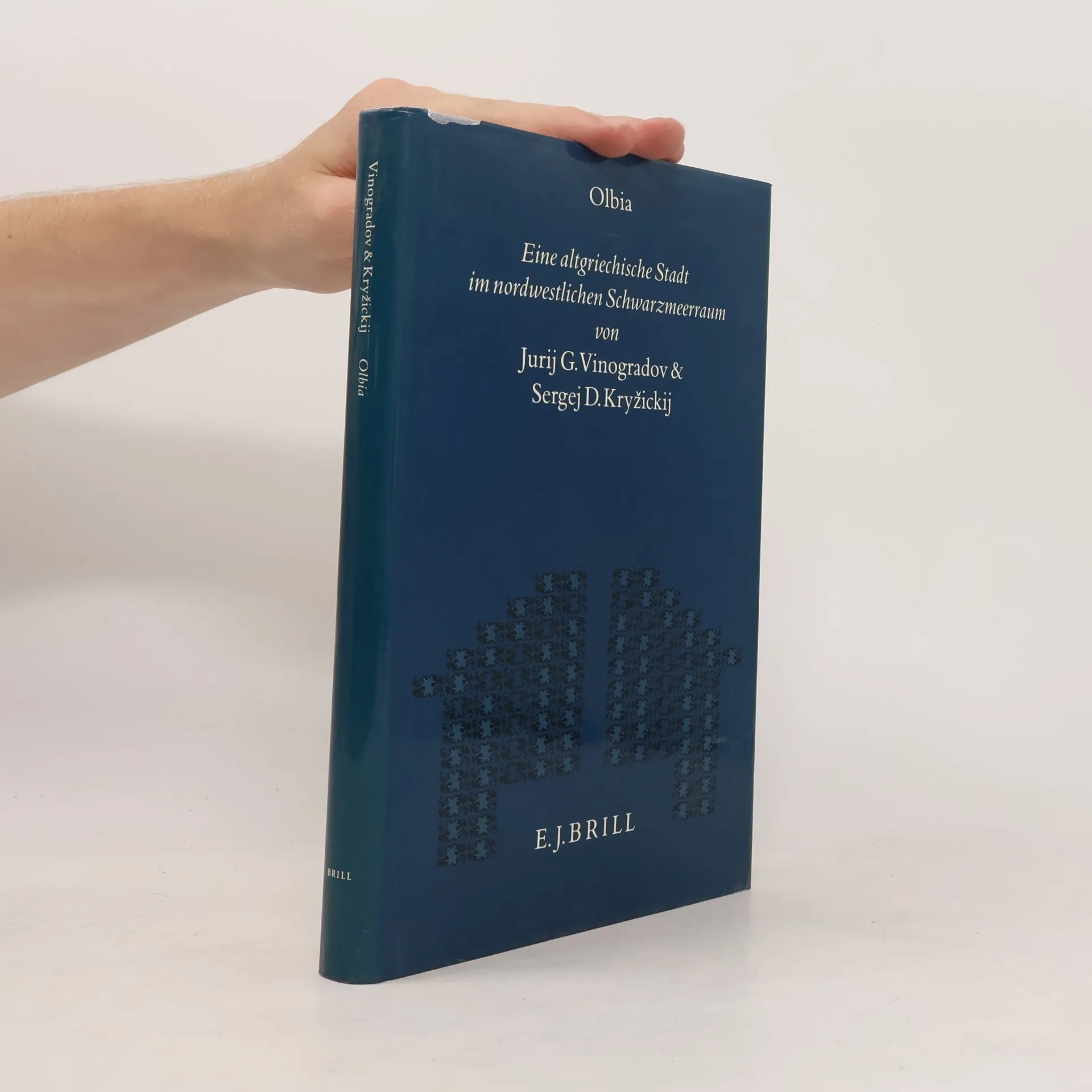
This book presents a completely new and up-to-date archaeological and historical study of the Black Sea city-state of Olbia. More comprehensive than any other yet produced, it ranges through the millennium of its existence from the Archaic to the Roman period and includes the full range of material remains found in the city and its region. Themes treated include building and architecture, agriculture, the economy of the city (the food economy, crafts, trade and coins), art and religion. The illustrations are copious, well-chosen, and present much material which will be new to Western readers. Also there are many useful maps and reconstructions of buildings.This presentation of the results of the research of scholars from the former Soviet Union into a Greek Pontic city has long been awaited and will form a reliable basis for the next generation of research into the theme.
Achat du livre
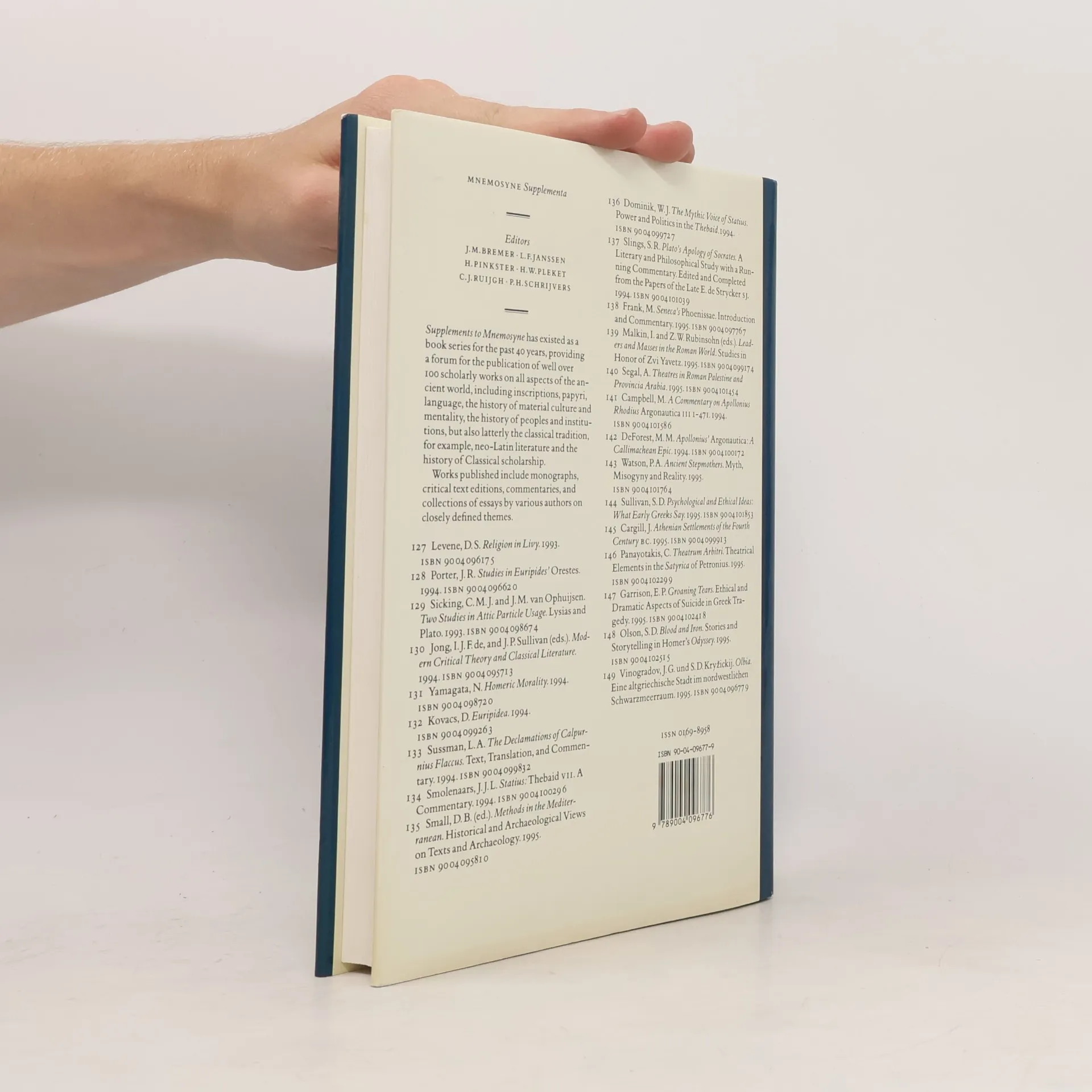
Mnemosyne, Bibliotheca Classica Batava Supplementum: Olbia, Jurij Germanovich Vinogradov, Sergej Dmitrievich Kryzhitskii
- Langue

- Année de publication
- 1995
- Reliure
- (rigide),
- État du livre
- Bon
- Prix
- 42,99 €
Modes de paiement
Personne n'a encore évalué .
- Titre
- Mnemosyne, Bibliotheca Classica Batava Supplementum: Olbia
- Sous-titre
- Eine altgriechische Stadt im nordwestlichen Schwarzmeerraum
- Langue
- Allemand
- Éditeur
- Brill
- Publié
- 1995
- Format
- rigide
- Pages
- 168
- ISBN10
- 9004096779
- ISBN13
- 9789004096776
- Séries
- Mots clés
- Thème historique, Époque antique, Archéologie, Grèce antique
- Description
- This book presents a completely new and up-to-date archaeological and historical study of the Black Sea city-state of Olbia. More comprehensive than any other yet produced, it ranges through the millennium of its existence from the Archaic to the Roman period and includes the full range of material remains found in the city and its region. Themes treated include building and architecture, agriculture, the economy of the city (the food economy, crafts, trade and coins), art and religion. The illustrations are copious, well-chosen, and present much material which will be new to Western readers. Also there are many useful maps and reconstructions of buildings.This presentation of the results of the research of scholars from the former Soviet Union into a Greek Pontic city has long been awaited and will form a reliable basis for the next generation of research into the theme.