

En savoir plus sur le livre
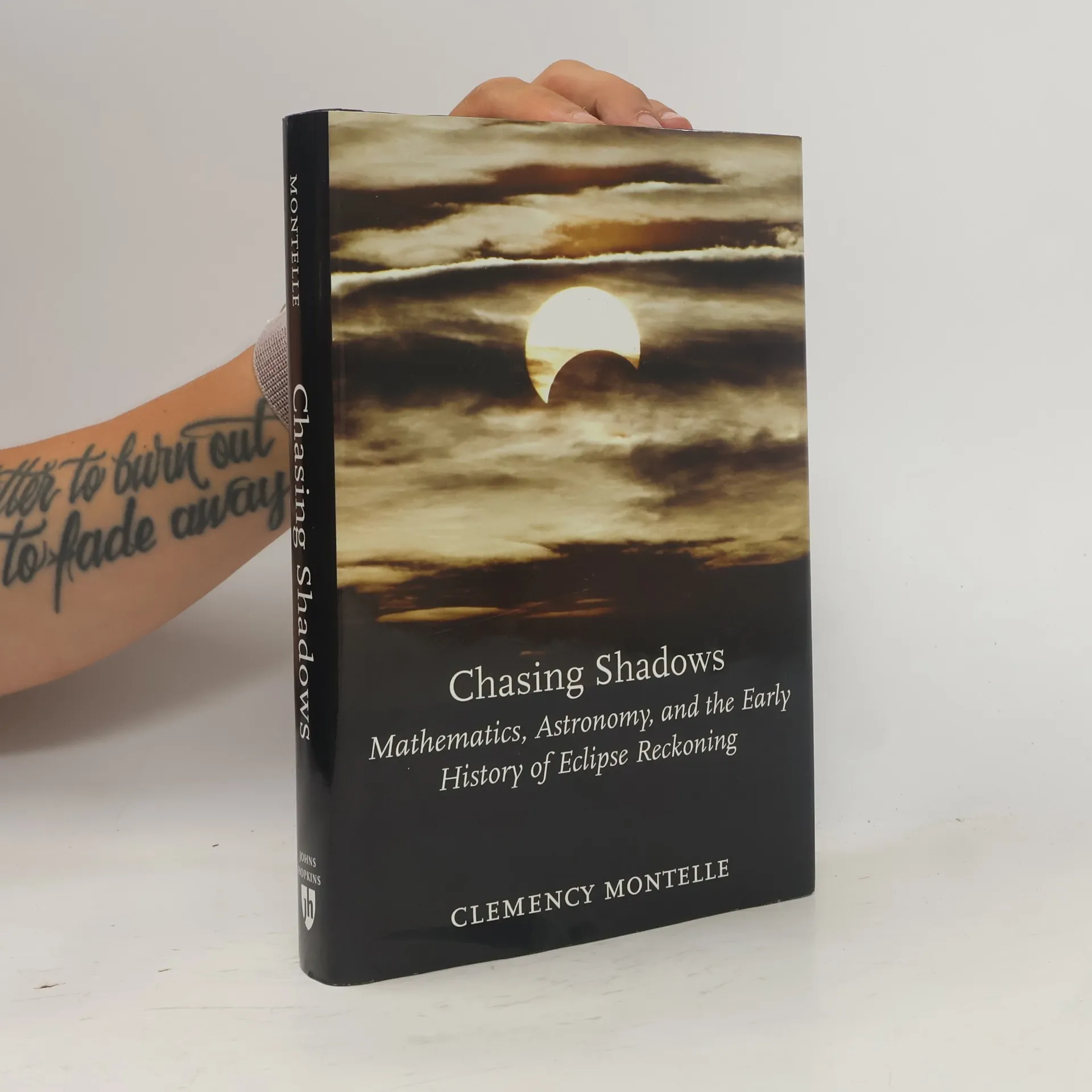
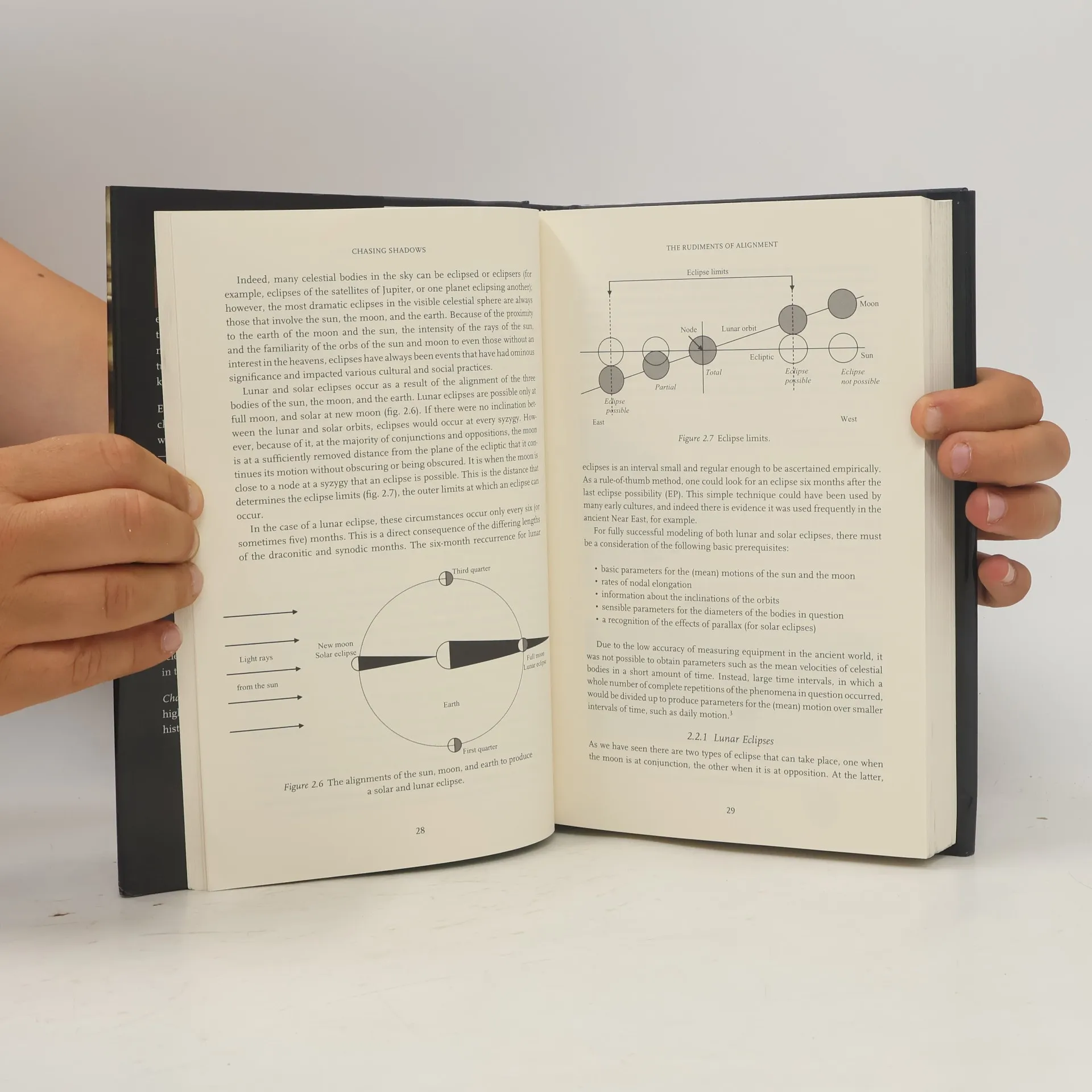
Lunar and solar eclipses have always fascinated human beings. Digging deep into history, Clemency Montelle examines the ways in which theoretical understanding of eclipses originated and how ancient and medieval cultures shared, developed, and preserved their knowledge of these awe-inspiring events. Eclipses were the celestial phenomena most challenging to understand in the ancient world. Montelle draws on original research--much of it derived from reading primary source material written in Akkadian and Sanskrit, as well as ancient Greek, Latin, and Arabic--to explore how observers in Babylon, the Islamic Near East, Greece, and India developed new astronomical and mathematical techniques to predict and describe the features of eclipses. She identifies the profound scientific discoveries of these four cultures and discusses how the societies exchanged information about eclipses. In constructing this history, Montelle establishes a clear pattern of the transmission of scientific ideas from one culture to another in the ancient and medieval world. Chasing Shadows is an invitingly written and highly informative exploration of the early history of astronomy.
Achat du livre
Johns Hopkins Studies in the History of Mathematics: Chasing Shadows, Clemency Montelle
- Langue

- Année de publication
- 2011
- Reliure
- (rigide),
- État du livre
- Bon
- Prix
- 43,99 €
Modes de paiement
Personne n'a encore évalué .
- Titre
- Johns Hopkins Studies in the History of Mathematics: Chasing Shadows
- Sous-titre
- Mathematics, Astronomy, and the Early History of Eclipse Reckoning
- Langue
- Anglais
- Auteurs
- Clemency Montelle
- Publié
- 2011
- Format
- rigide
- Pages
- 424
- ISBN10
- 0801896916
- ISBN13
- 9780801896910
- Séries
- Mots clés
- Thème historique, Science, Espace, Époque antique, Grèce, Philosophie des sciences, Histoire des mathématiques
- Description
- Lunar and solar eclipses have always fascinated human beings. Digging deep into history, Clemency Montelle examines the ways in which theoretical understanding of eclipses originated and how ancient and medieval cultures shared, developed, and preserved their knowledge of these awe-inspiring events. Eclipses were the celestial phenomena most challenging to understand in the ancient world. Montelle draws on original research--much of it derived from reading primary source material written in Akkadian and Sanskrit, as well as ancient Greek, Latin, and Arabic--to explore how observers in Babylon, the Islamic Near East, Greece, and India developed new astronomical and mathematical techniques to predict and describe the features of eclipses. She identifies the profound scientific discoveries of these four cultures and discusses how the societies exchanged information about eclipses. In constructing this history, Montelle establishes a clear pattern of the transmission of scientific ideas from one culture to another in the ancient and medieval world. Chasing Shadows is an invitingly written and highly informative exploration of the early history of astronomy.