


En savoir plus sur le livre
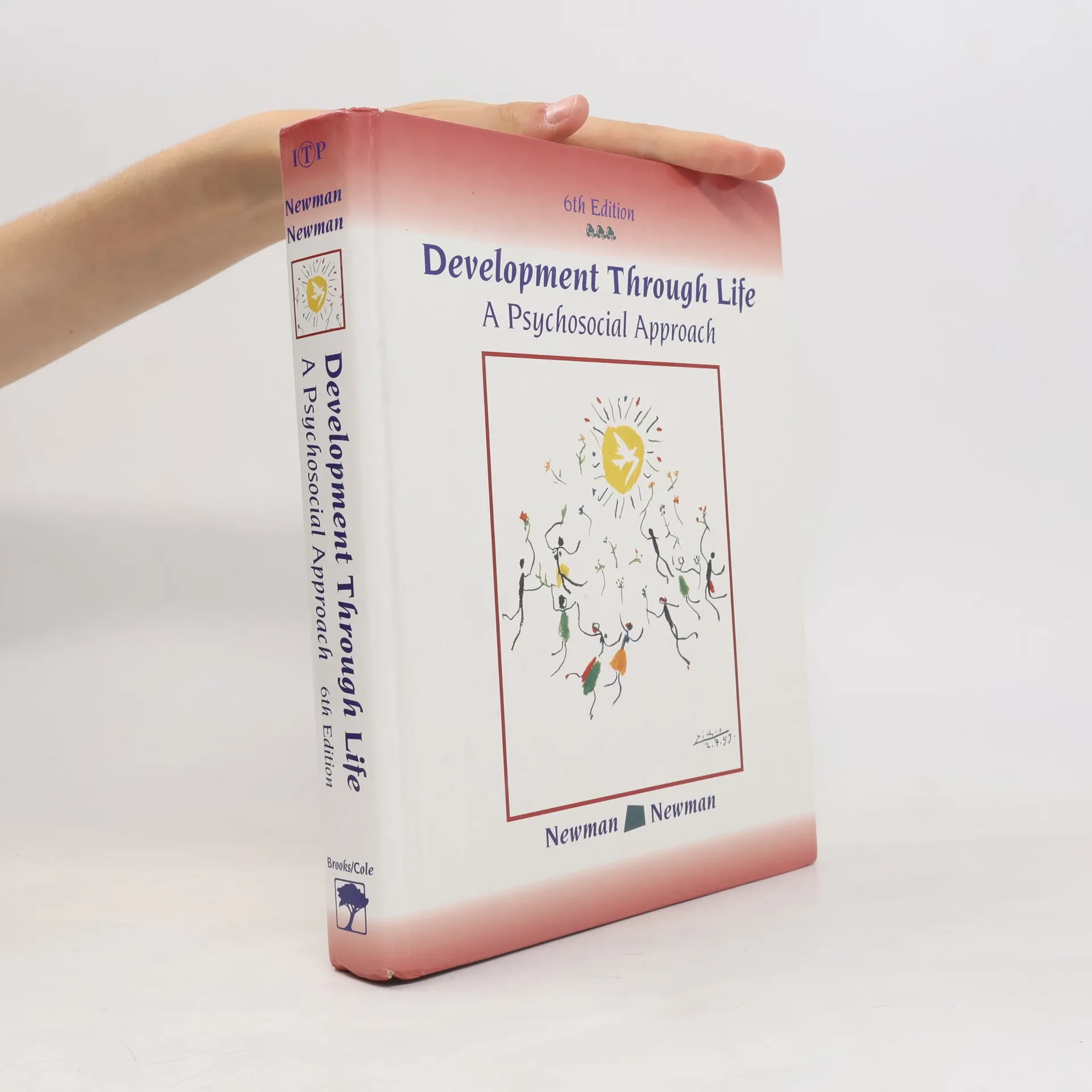
Covering human development in eleven stages (from pregnancy and prenatal development through old age to death), Newman and Newman discuss physical, intellectual, emotional, and social development, addressing themes of continuity and change at each of the life stages. The text contrasts internal (self-directed) and external influences on growth, change, and continuity, and presents the whole person, with extensive consideration given to the family and social environment as important factors in shaping development. Throughout, the authors encourage readers to explore personal questions about development within a framework of scientific knowledge, with particular emphasis on Erik Eriksons model of psychosocial development..Psychosocial theory (used in this text as a guide to organizing information, not as dogma) proposes that cognitive, emotional, and social growth are the result of the interaction between the societal expectations of the individual at each life stage and the competency of the individual to meet each life challenge. A psychosocial crisis is a predictable life tension resulting from the conflict people experience between their own competence and the expectations of society. The psychosocial theoretical framework for studying human development makes Newman and Newman uniquely suited for courses in which social development, family, and environment are considered important in the study of human development.
Achat du livre
Development Through Life, Barbara M. Newman, Philip R. Newman
- Langue

- Année de publication
- 1995
- product-detail.submit-box.info.binding
- (rigide),
- État du livre
- Bon
- Prix
- 4,39 €
Modes de paiement
Personne n'a encore évalué .
- Titre
- Development Through Life
- Sous-titre
- A Psychosocial Approach - 6th Edition
- Langue
- Anglais
- Auteurs
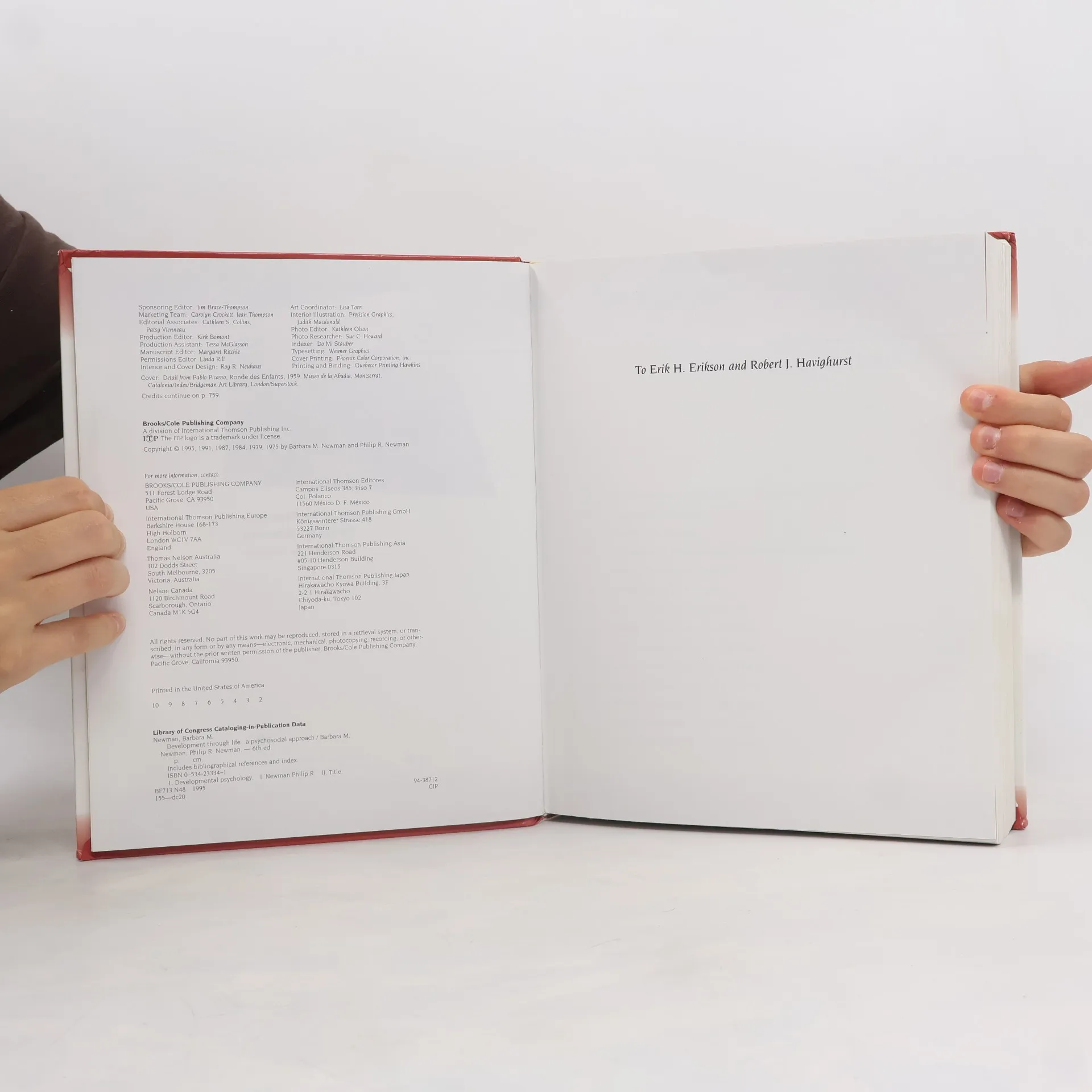
- Barbara M. Newman, Philip R. Newman
- Éditeur
- Wadsworth Publishing
- Publié
- 1995
- Format
- rigide
- Pages
- 763
- ISBN10
- 0534233341
- ISBN13
- 9780534233341
- Séries
- Mots clés
- Nonfiction, Manuels, Thèmes psychologiques, Psychologie, L'école, Psychothérapie, Travail social, Psychologie du développement, Psychologie sociale
- Description
- Covering human development in eleven stages (from pregnancy and prenatal development through old age to death), Newman and Newman discuss physical, intellectual, emotional, and social development, addressing themes of continuity and change at each of the life stages. The text contrasts internal (self-directed) and external influences on growth, change, and continuity, and presents the whole person, with extensive consideration given to the family and social environment as important factors in shaping development. Throughout, the authors encourage readers to explore personal questions about development within a framework of scientific knowledge, with particular emphasis on Erik Eriksons model of psychosocial development..Psychosocial theory (used in this text as a guide to organizing information, not as dogma) proposes that cognitive, emotional, and social growth are the result of the interaction between the societal expectations of the individual at each life stage and the competency of the individual to meet each life challenge. A psychosocial crisis is a predictable life tension resulting from the conflict people experience between their own competence and the expectations of society. The psychosocial theoretical framework for studying human development makes Newman and Newman uniquely suited for courses in which social development, family, and environment are considered important in the study of human development.