


En savoir plus sur le livre
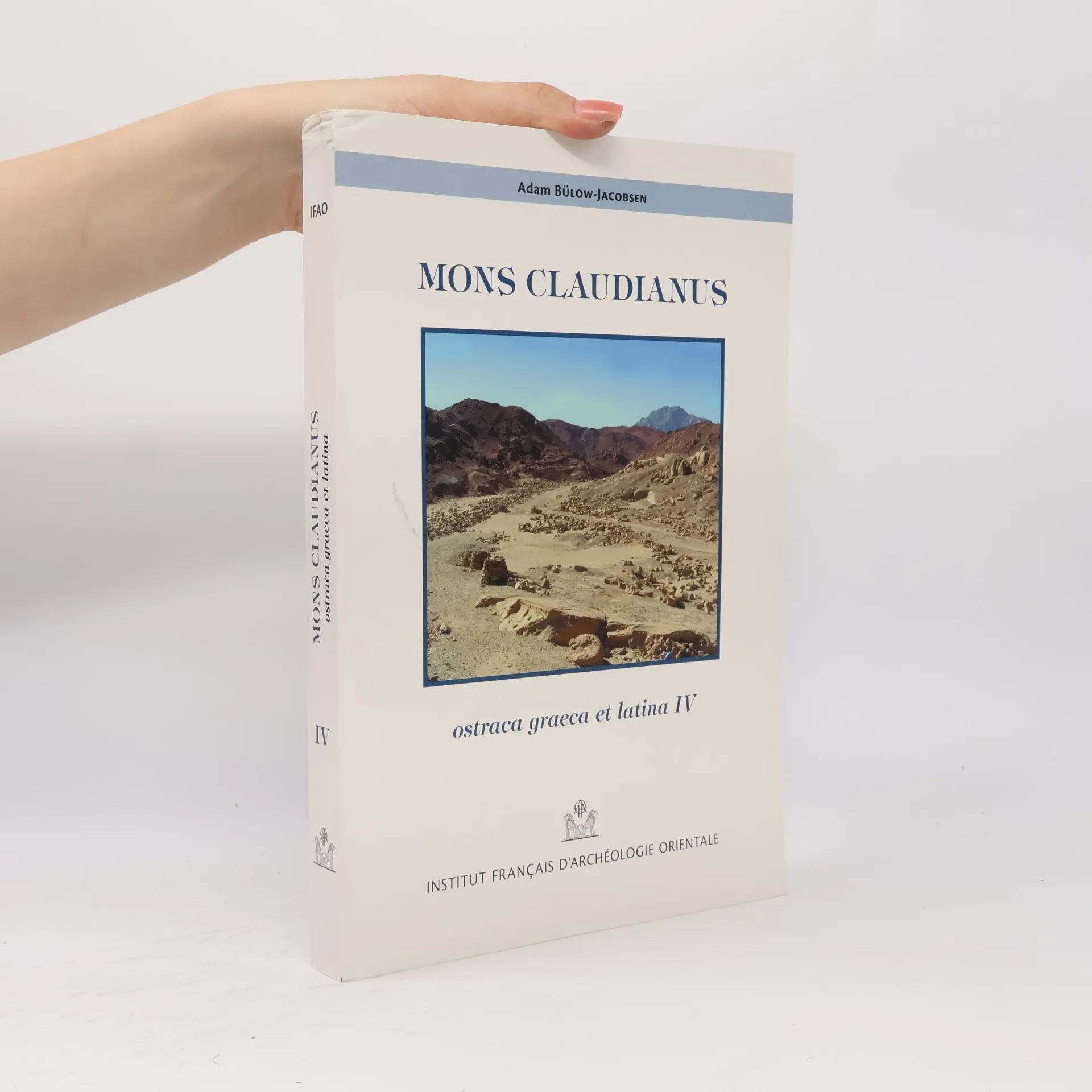
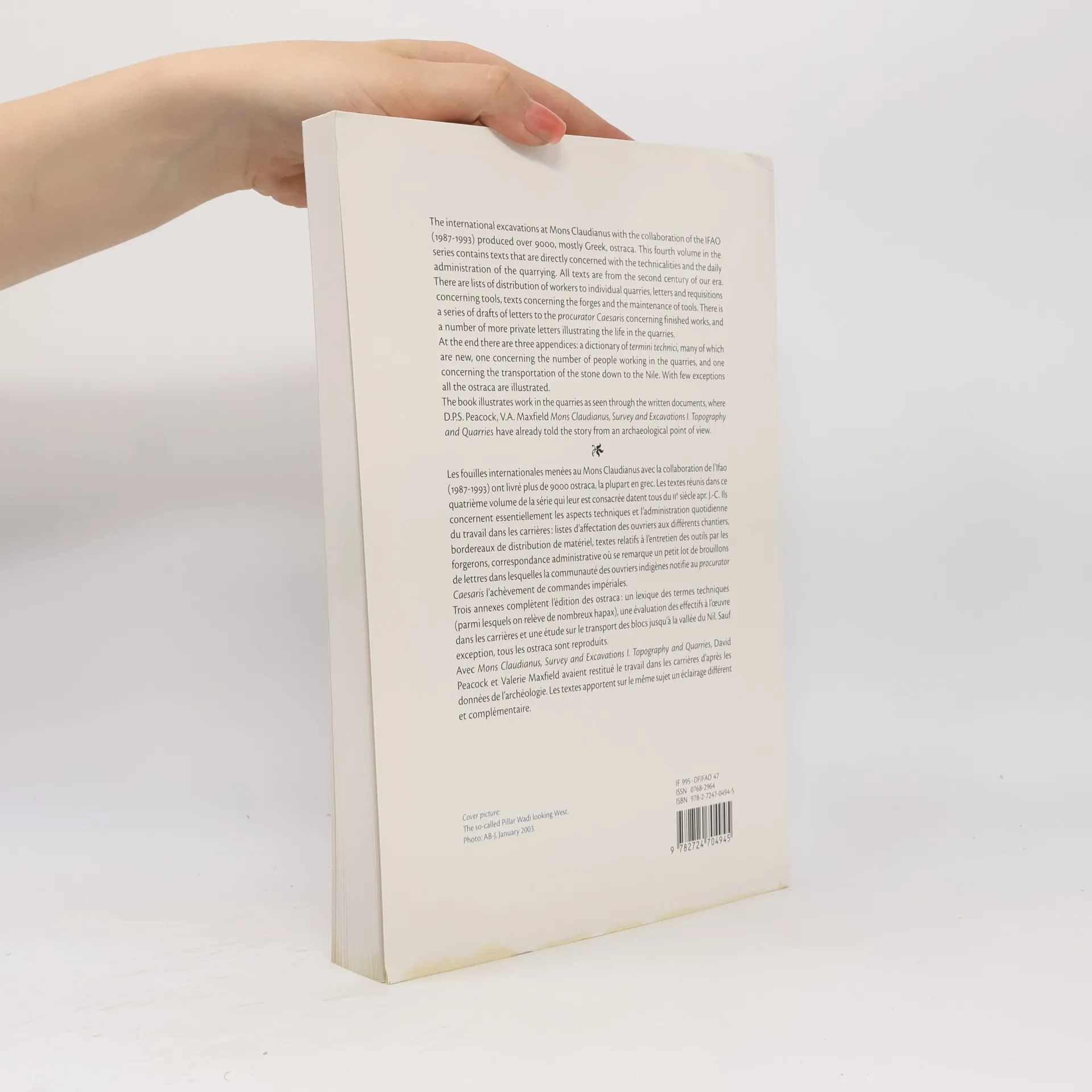
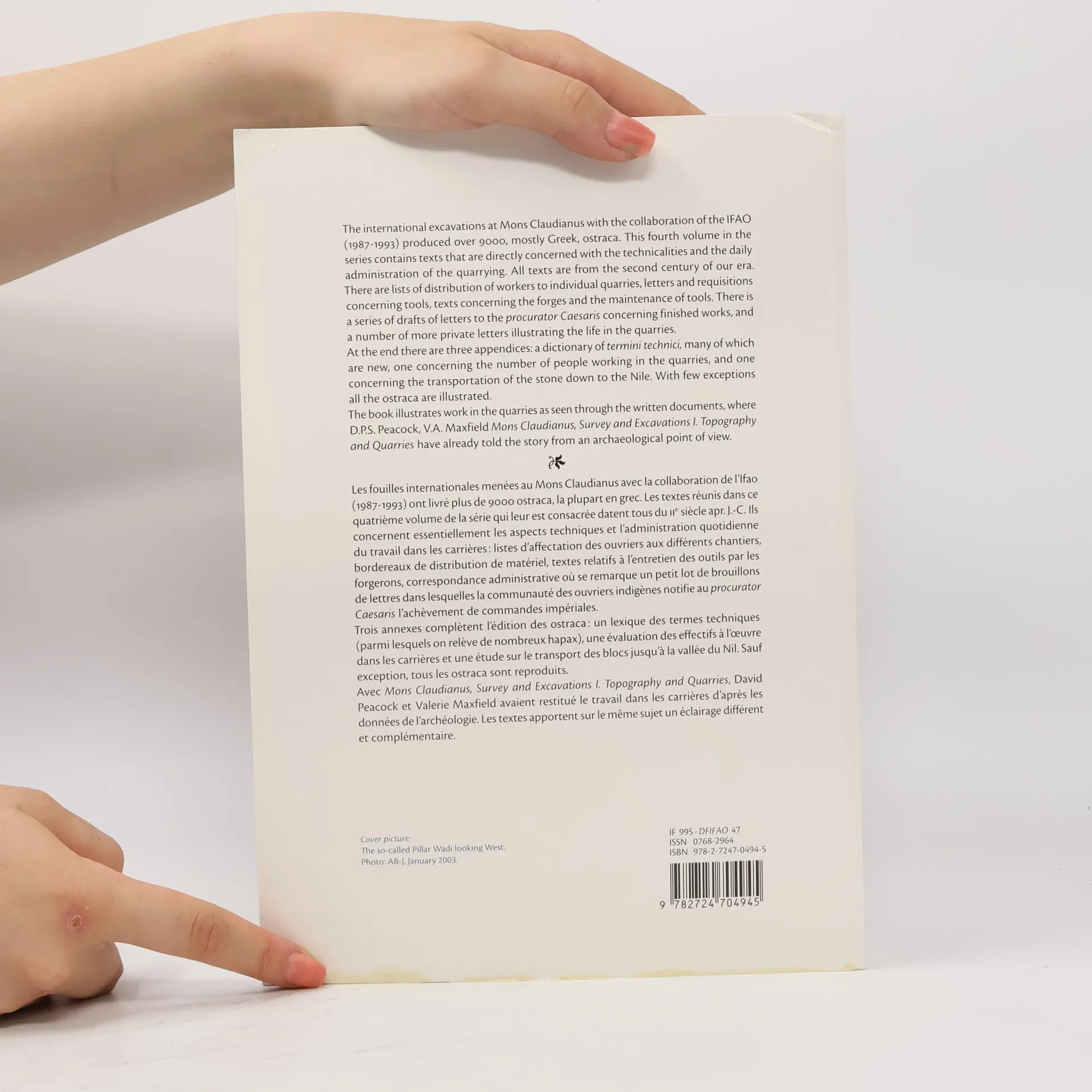
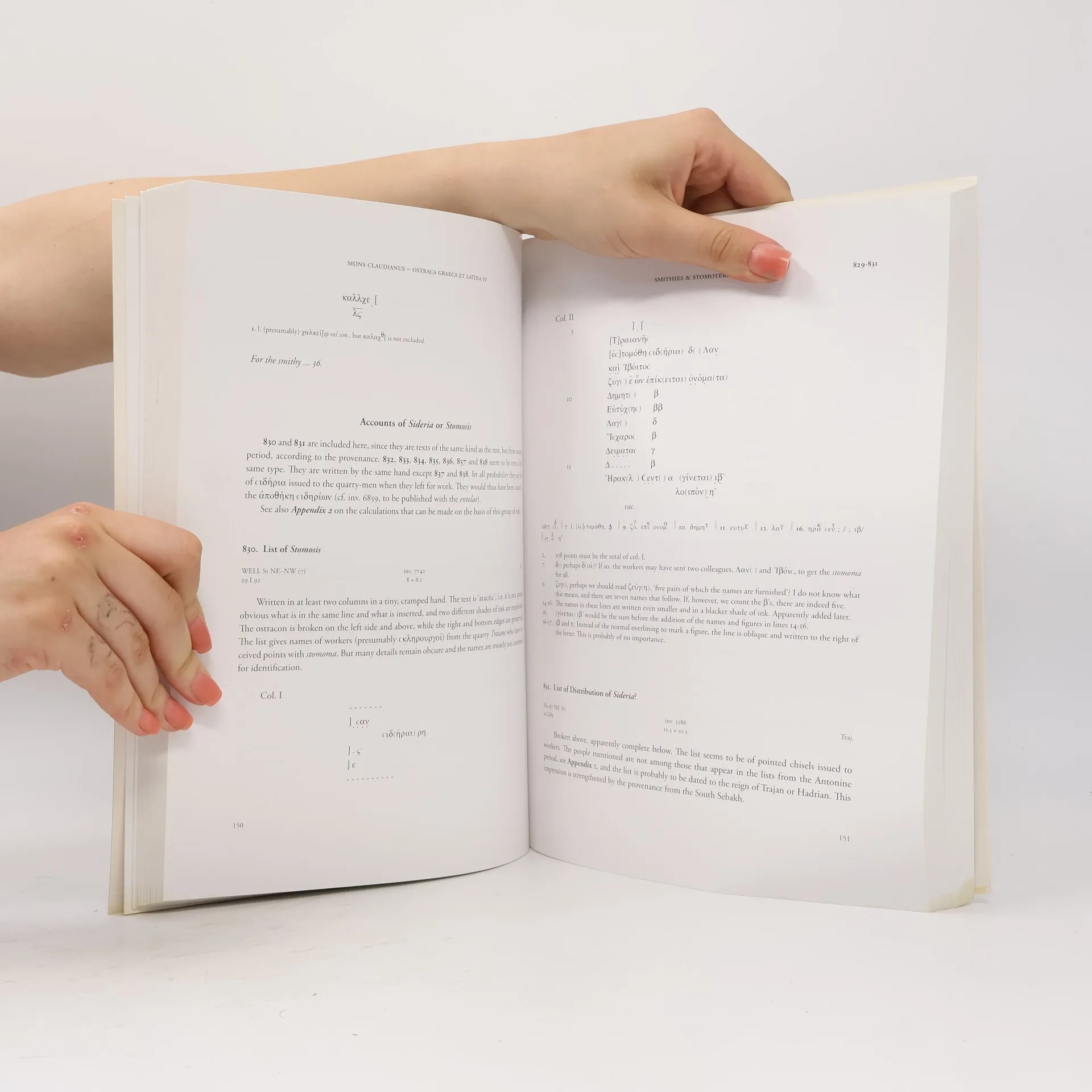
The international excavations at Mons Claudianus, conducted in collaboration with the IFAO from 1987 to 1993, yielded over 9,000 Greek ostraca. This fourth volume focuses on texts related to the technicalities and daily administration of quarrying, all dating from the second century CE. It includes worker distribution lists for individual quarries, letters and requisitions about tools, and documents concerning forges and tool maintenance. Additionally, there are drafts of letters to the procurator Caesaris regarding completed works, alongside private correspondence that reflects life in the quarries. The volume concludes with three appendices: a dictionary of technical terms, an assessment of the workforce in the quarries, and a study on the transportation of stone to the Nile. Most ostraca are illustrated, providing a visual context. While previous works by D.P.S. Peacock and V.A. Maxfield have examined the archaeological aspects of Mons Claudianus, this collection of texts offers a complementary perspective on quarry operations through written documentation.
Achat du livre
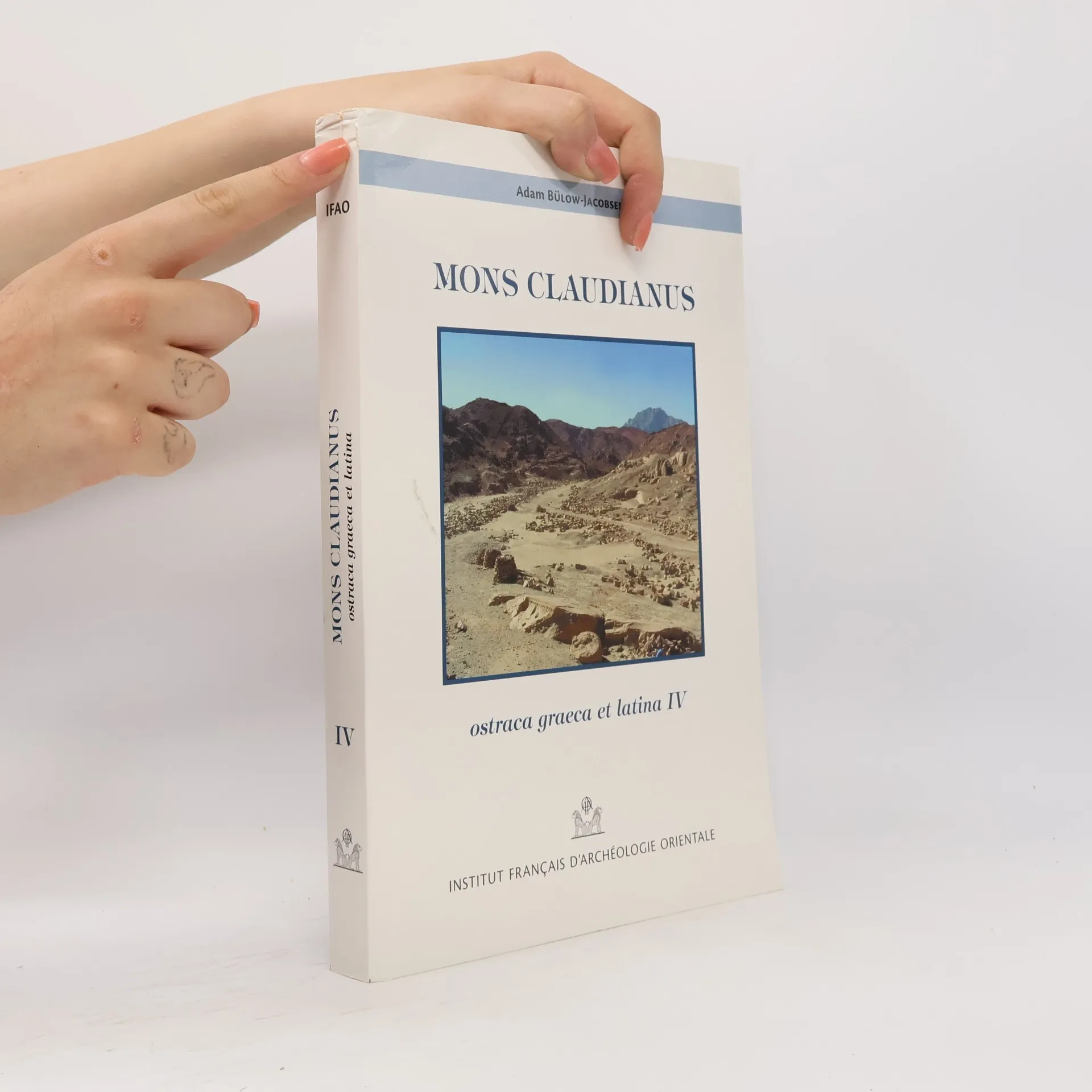
Mons Claudianus IV, Adam Bülow-Jacobsen
- Langue

- Année de publication
- 2009
- product-detail.submit-box.info.binding
- (souple),
- État du livre
- Abîmé
- Prix
- 49,50 €
Modes de paiement
Personne n'a encore évalué .
- Titre
- Mons Claudianus IV
- Langue
- Anglais
- Auteurs
- Adam Bülow-Jacobsen
- Publié
- 2009
- Format
- souple
- ISBN10
- 2724704940
- ISBN13
- 9782724704945
- Séries
- Mots clés
- Nonfiction, Sciences sociales, Autre histoire, Langues, Époque antique, Archéologie, Égypte
- Description
- The international excavations at Mons Claudianus, conducted in collaboration with the IFAO from 1987 to 1993, yielded over 9,000 Greek ostraca. This fourth volume focuses on texts related to the technicalities and daily administration of quarrying, all dating from the second century CE. It includes worker distribution lists for individual quarries, letters and requisitions about tools, and documents concerning forges and tool maintenance. Additionally, there are drafts of letters to the procurator Caesaris regarding completed works, alongside private correspondence that reflects life in the quarries. The volume concludes with three appendices: a dictionary of technical terms, an assessment of the workforce in the quarries, and a study on the transportation of stone to the Nile. Most ostraca are illustrated, providing a visual context. While previous works by D.P.S. Peacock and V.A. Maxfield have examined the archaeological aspects of Mons Claudianus, this collection of texts offers a complementary perspective on quarry operations through written documentation.