

Paramètres
- 240pages
- 9 heures de lecture
En savoir plus sur le livre
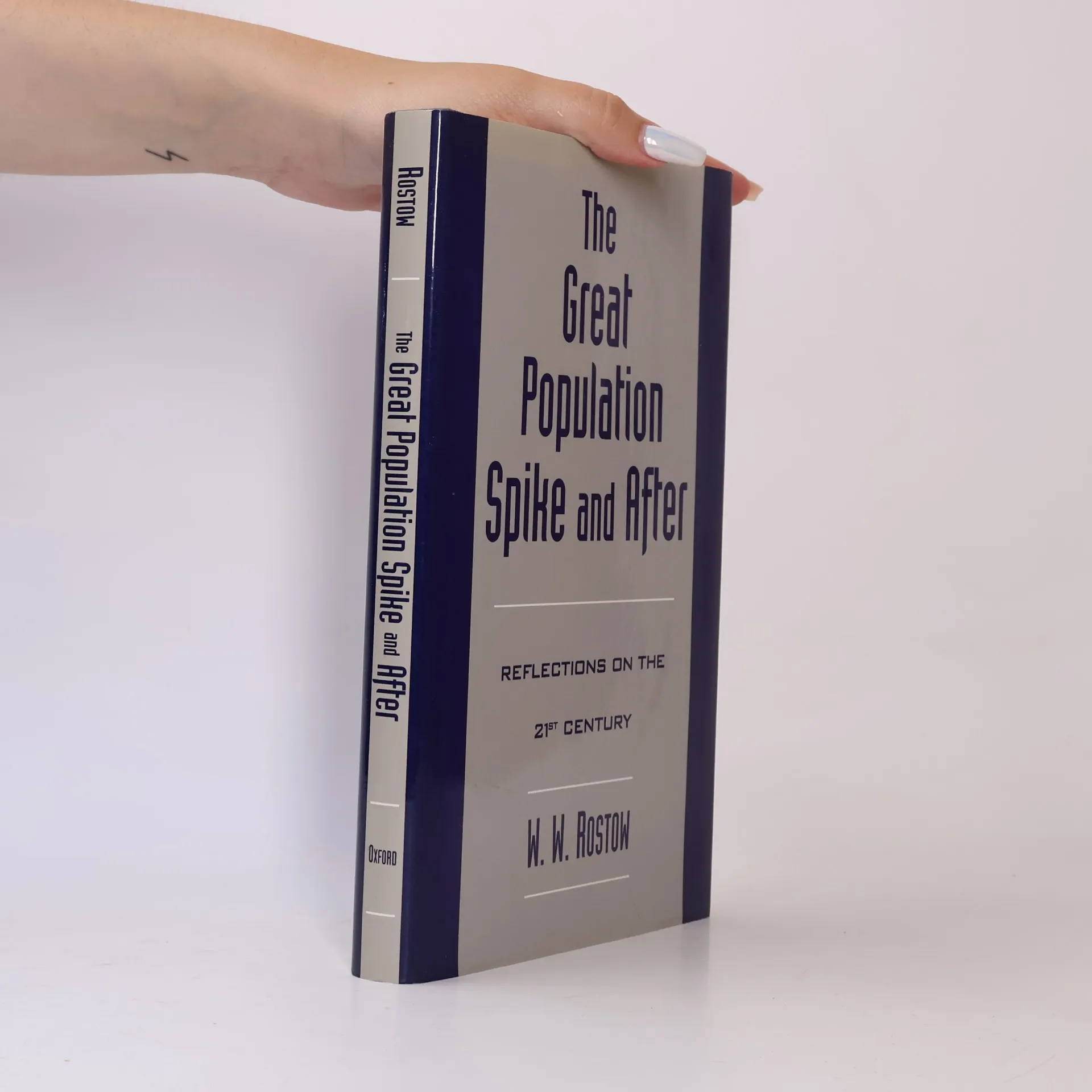
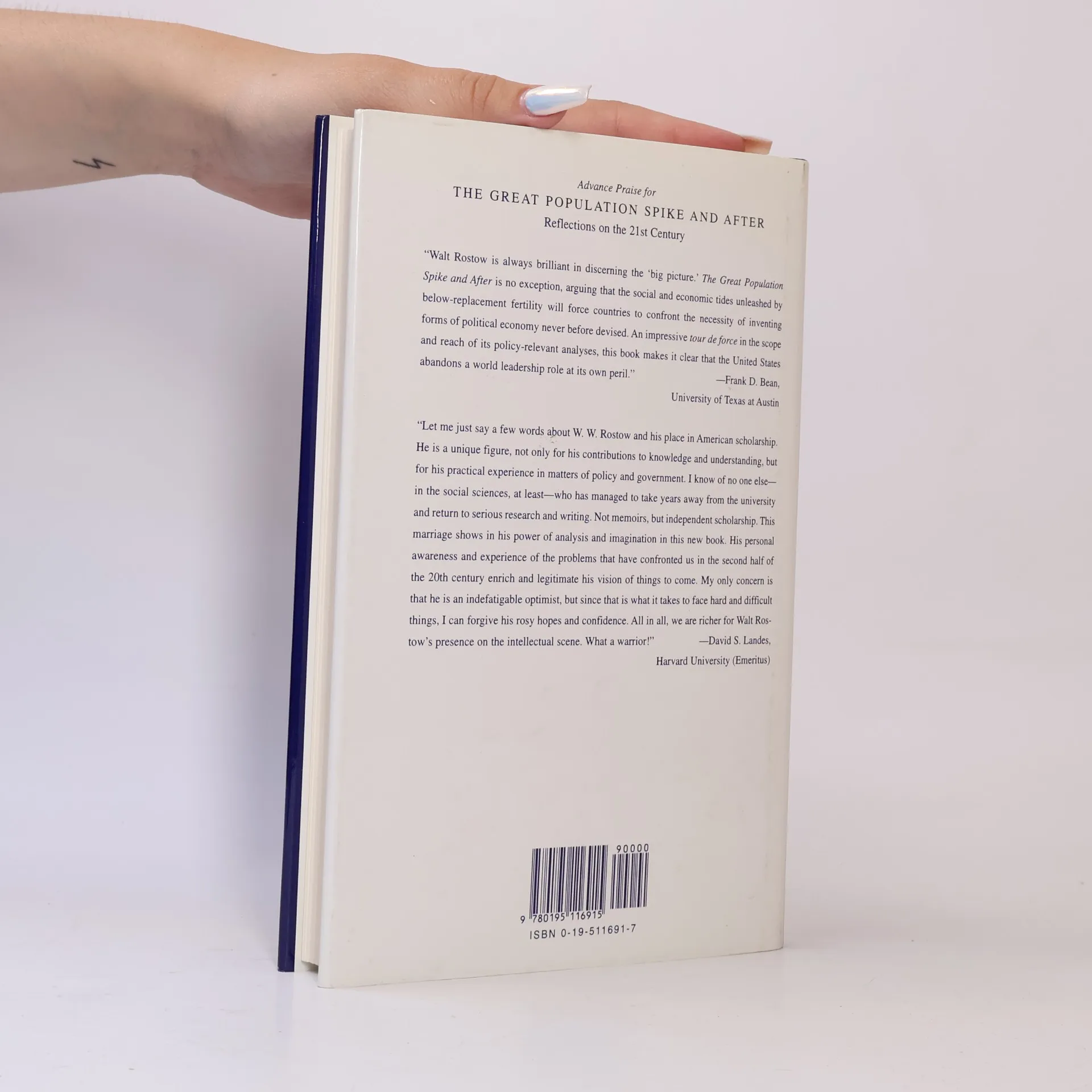
Midway through the eighteenth century, global population growth was nearly stagnant, but post-World War II, it rose to just above 2 percent, only to decline steadily since then. This new work from an expert in international economics explores the implications of this population stagnation and decline for nations worldwide. W. W. Rostow examines the trajectory of the "great population spike" and its broader significance for the financial and governmental systems globally. He posits that as the population decline in industrialized nations extends to developing countries, the global population could reach a "zero" growth level by 2100, or even sooner outside of sub-Saharan Africa. This raises critical questions about maintaining full employment and social services amidst a shrinking workforce relative to the growing number of dependents. Rostow argues that the U.S. is not merely the "last remaining superpower" but rather the "critical margin," essential for any constructive global action. He emphasizes that achieving world peace hinges on the U.S. taking on this role responsibly. Furthermore, he contends that addressing the underlying social issues affecting both urban areas and society at large will require a sustained bipartisan effort over time.
Achat du livre
The Great Population Spike and After, Walt Whitman Rostow
- Langue

- Année de publication
- 1998
- Reliure
- (rigide),
- État du livre
- Bon
- Prix
- 17,49 €
Modes de paiement
Personne n'a encore évalué .
- Titre
- The Great Population Spike and After
- Sous-titre
- Reflections on the 21st Century
- Langue
- Anglais
- Auteurs
- Walt Whitman Rostow
- Éditeur
- Oxford University Press
- Publié
- 1998
- Format
- rigide
- Pages
- 240
- ISBN10
- 0195116917
- ISBN13
- 9780195116915
- Séries
- Catégories
- Mots clés
- Commerce, Thématique écologique
- Description
- Midway through the eighteenth century, global population growth was nearly stagnant, but post-World War II, it rose to just above 2 percent, only to decline steadily since then. This new work from an expert in international economics explores the implications of this population stagnation and decline for nations worldwide. W. W. Rostow examines the trajectory of the "great population spike" and its broader significance for the financial and governmental systems globally. He posits that as the population decline in industrialized nations extends to developing countries, the global population could reach a "zero" growth level by 2100, or even sooner outside of sub-Saharan Africa. This raises critical questions about maintaining full employment and social services amidst a shrinking workforce relative to the growing number of dependents. Rostow argues that the U.S. is not merely the "last remaining superpower" but rather the "critical margin," essential for any constructive global action. He emphasizes that achieving world peace hinges on the U.S. taking on this role responsibly. Furthermore, he contends that addressing the underlying social issues affecting both urban areas and society at large will require a sustained bipartisan effort over time.