

Paramètres
- 320pages
- 12 heures de lecture
En savoir plus sur le livre
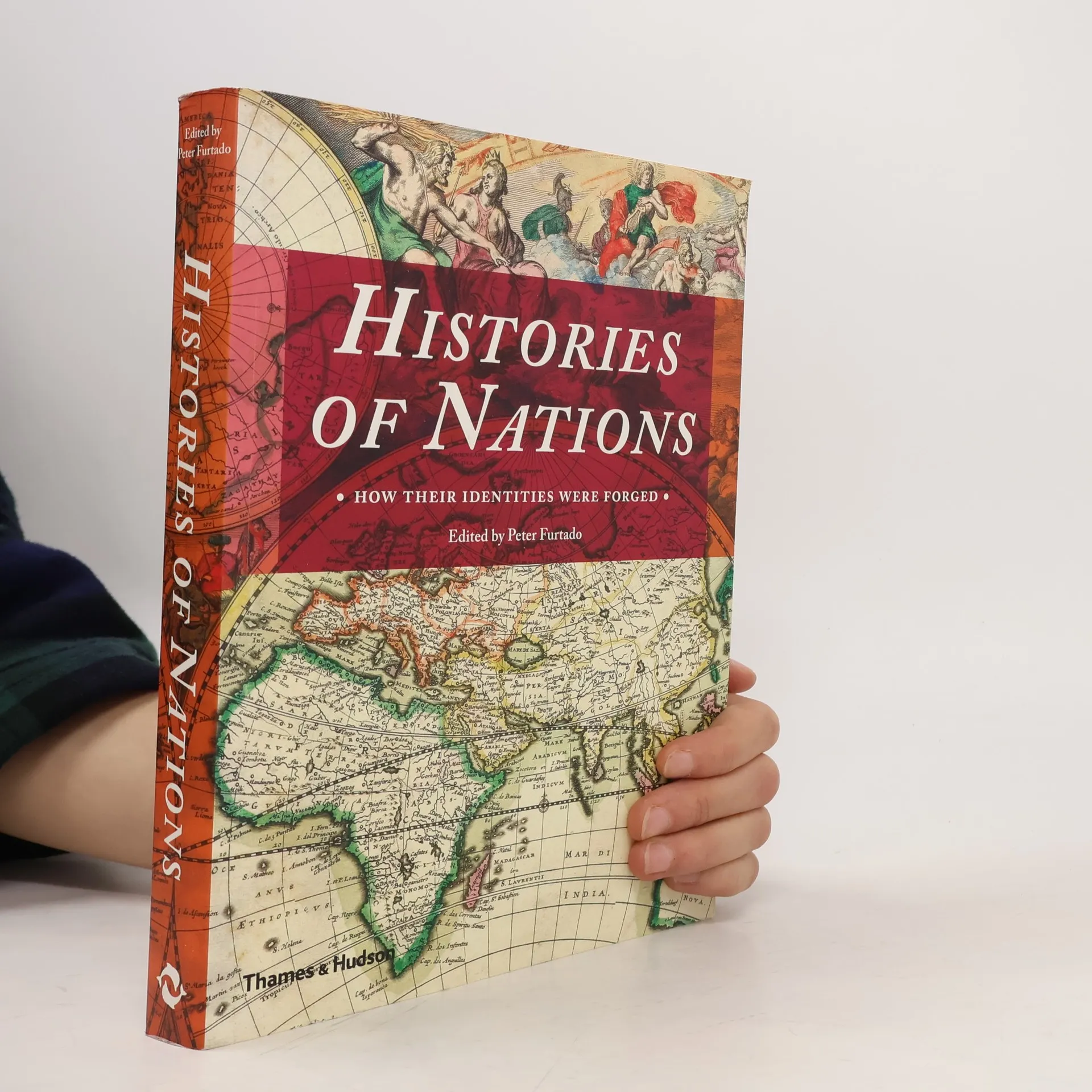
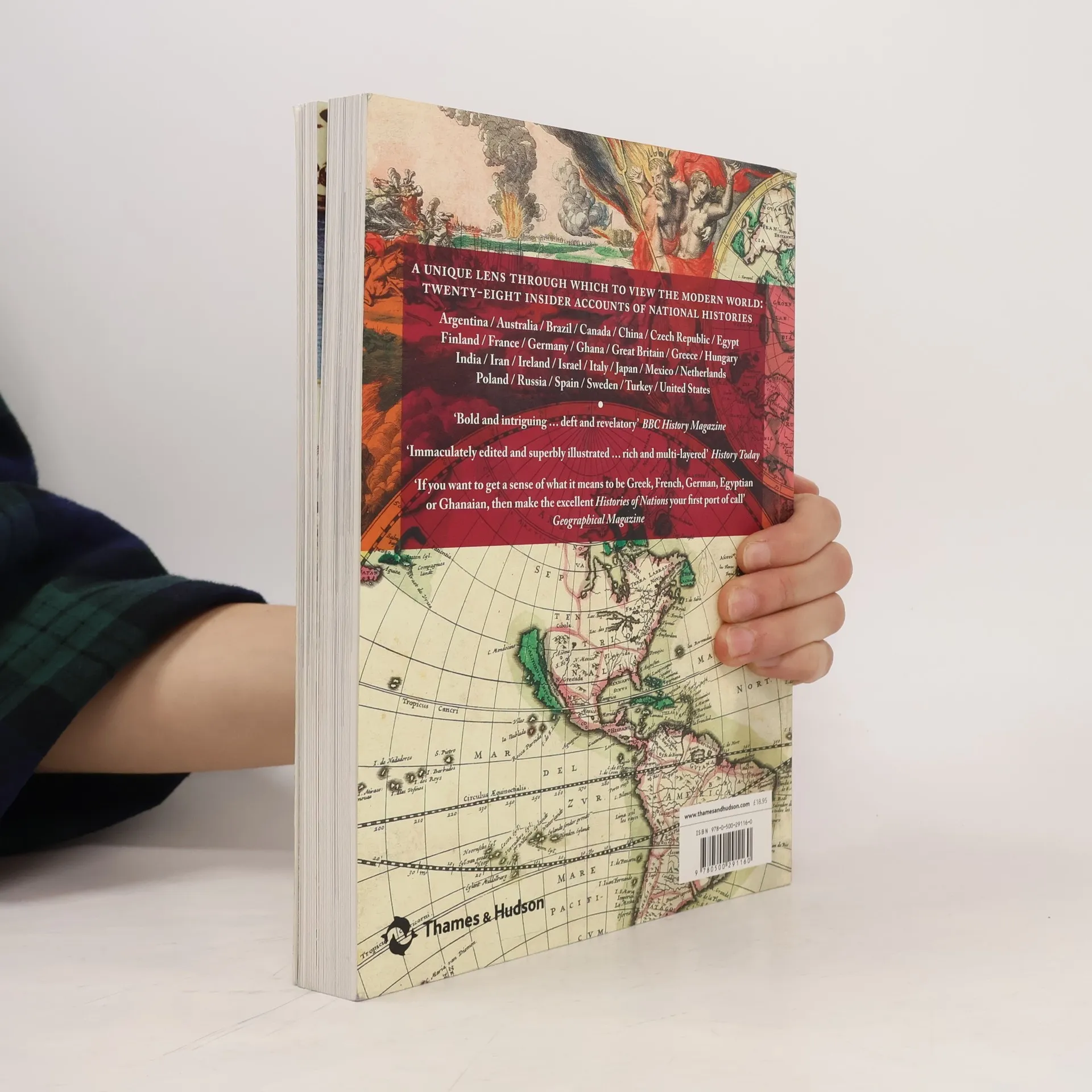
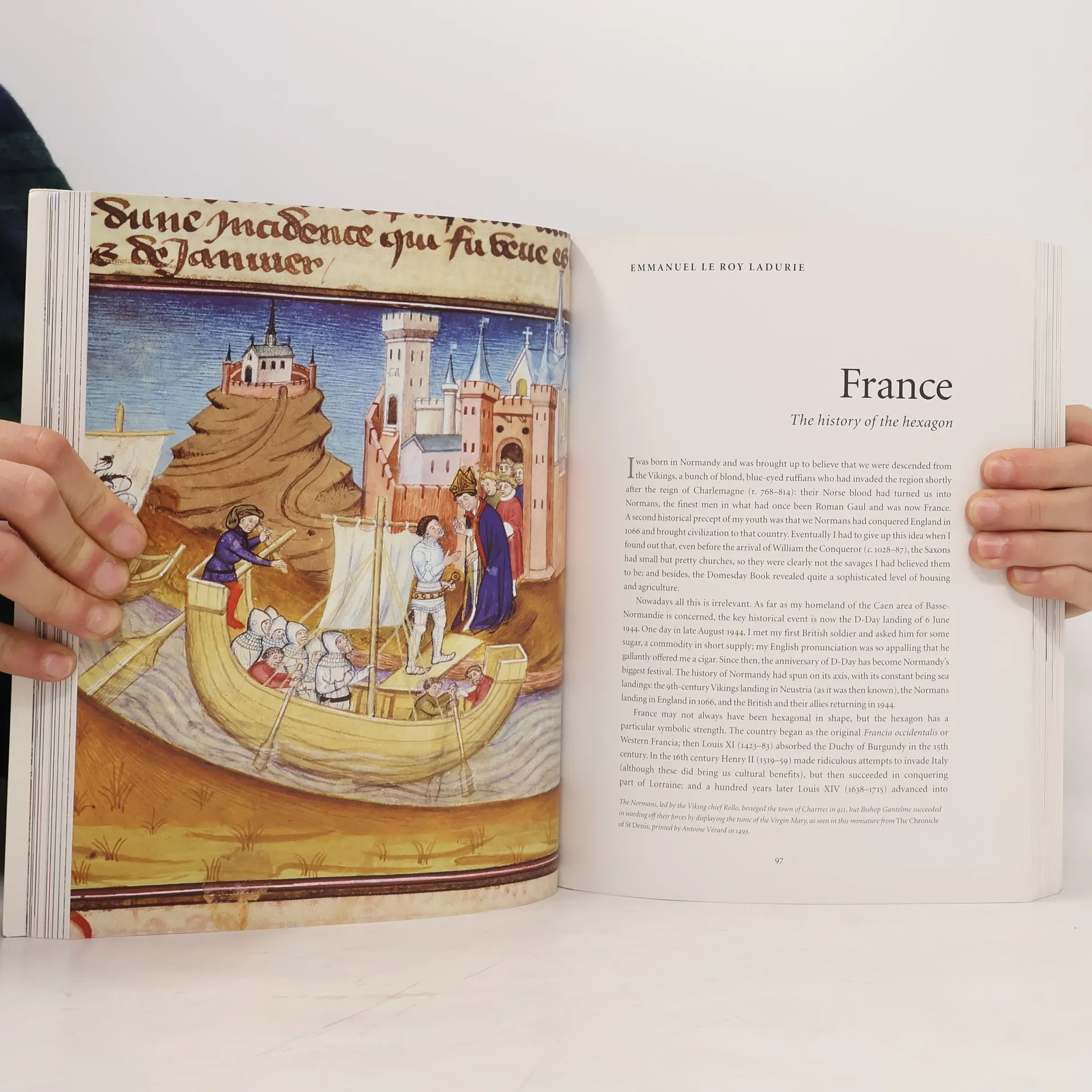
Global histories tend to be written from the narrow viewpoint of a single author and a single perspective, with the inevitable bias that it entails. But in this thought-provoking collection, twenty-eight writers and scholars give engaging, often passionate accounts of their own nation’s history. The countries have been selected to represent every continent and every type of state: large and small; mature democracies and religious autocracies; states that have existed for thousands of years and those born as recently as the twentieth century. Together they contain two-thirds of the world’s population. In the United States, for example, the myth of the nation’s “historylessness” remains strong, but in China history is seen to play a crucial role in legitimizing three thousand years of imperial authority. “History wars” over the content of textbooks rage in countries as diverse as Australia, Russia, and Japan. Some countries, such as Iran or Egypt, are blessed—or cursed—with a glorious ancient history that the present cannot equal; others, such as Germany, must find ways of approaching and reconciling the pain of the recent past.
Achat du livre
Histories of Nations, Peter Furtado
- Langue

- Année de publication
- 2013
- product-detail.submit-box.info.binding
- (souple),
- État du livre
- Abîmé
- Prix
- 24,89 €
Modes de paiement
Personne n'a encore évalué .
- Titre
- Histories of Nations
- Sous-titre
- How Their Identities Were Forged
- Langue
- Anglais
- Auteurs
- Peter Furtado
- Éditeur
- Thames & Hudson
- Publié
- 2013
- Format
- souple
- Pages
- 320
- ISBN10
- 0500291160
- ISBN13
- 9780500291160
- Séries
- Mots clés
- Nonfiction, Thème historique, Géographie & Topographie, Manuels et guides, Politique, Arts décoratifs
- Description
- Global histories tend to be written from the narrow viewpoint of a single author and a single perspective, with the inevitable bias that it entails. But in this thought-provoking collection, twenty-eight writers and scholars give engaging, often passionate accounts of their own nation’s history. The countries have been selected to represent every continent and every type of state: large and small; mature democracies and religious autocracies; states that have existed for thousands of years and those born as recently as the twentieth century. Together they contain two-thirds of the world’s population. In the United States, for example, the myth of the nation’s “historylessness” remains strong, but in China history is seen to play a crucial role in legitimizing three thousand years of imperial authority. “History wars” over the content of textbooks rage in countries as diverse as Australia, Russia, and Japan. Some countries, such as Iran or Egypt, are blessed—or cursed—with a glorious ancient history that the present cannot equal; others, such as Germany, must find ways of approaching and reconciling the pain of the recent past.