


Paramètres
- 720pages
- 26 heures de lecture
En savoir plus sur le livre
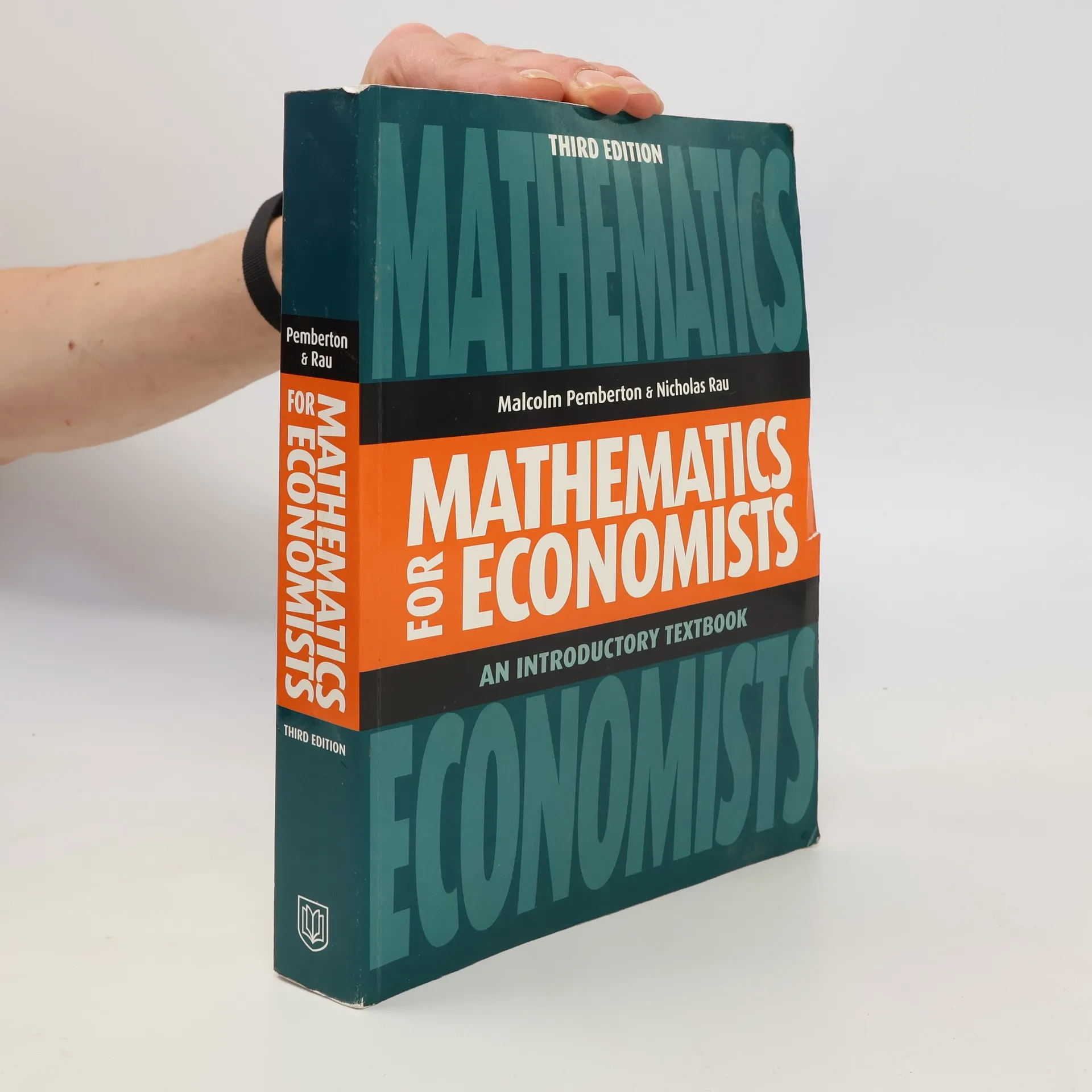
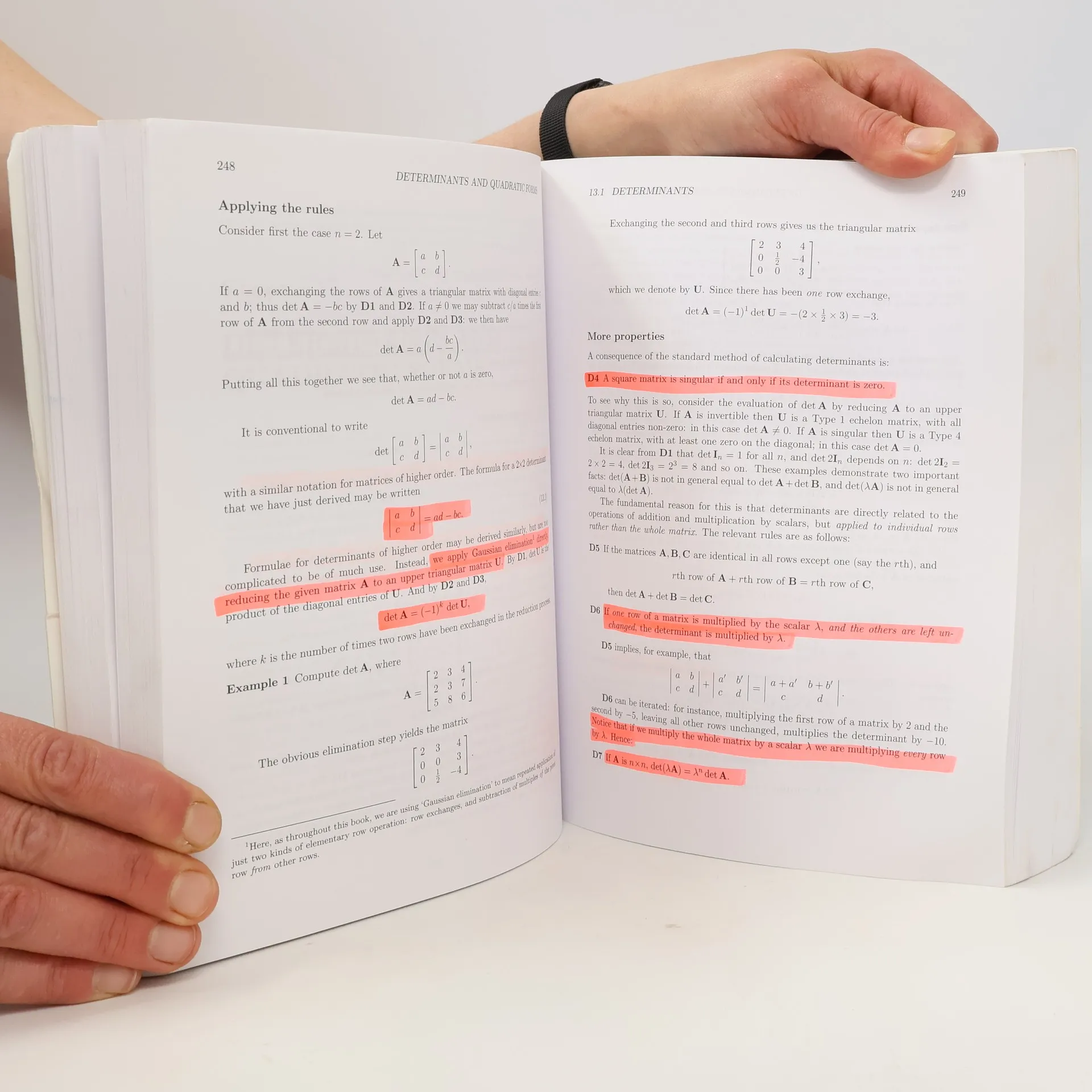
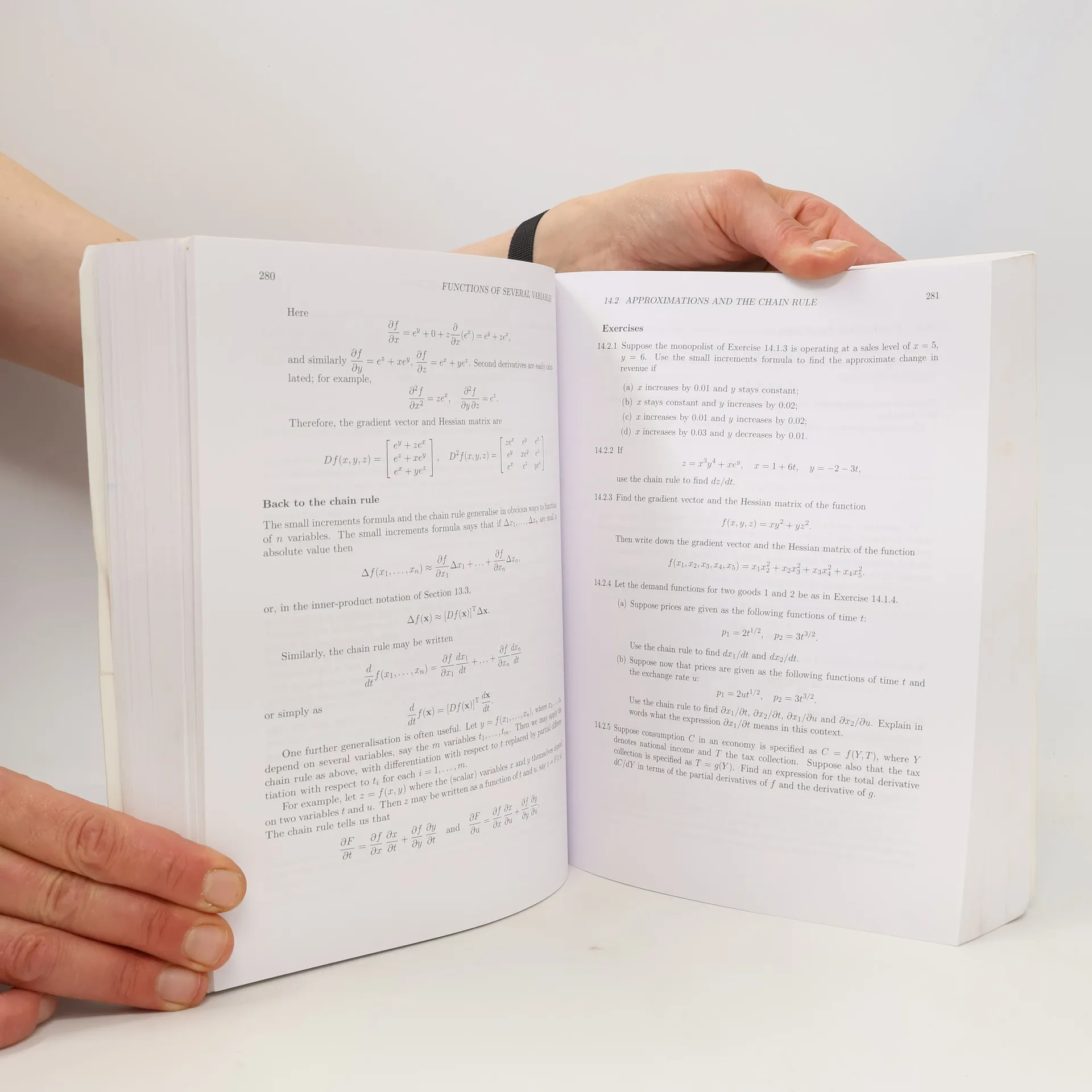
This book is a self-contained treatment of all the mathematics needed by undergraduate and beginning graduate students of economics. Building up gently from a very low level, the authors provide a clear, systematic coverage of calculus and matrix algebra as well as easily accessible introductions to optimization and dynamics. The emphasis throughout is on intuitive argument and problem solving. All methods are illustrated by well-chosen examples and exercises selected from central areas of modern economic analysis. The third edition of Mathematics for Economists features new sections on double integration and discrete-time dynamic programming, as well as an online solutions manual and answers to exercises. The book's careful arrangement into short chapters enables it to be used in a variety of course formats for students with and without prior knowledge of calculus, as well as for reference and self-study.
Achat du livre
Mathematics for Economists, Malcolm Pemberton, Nicholas Rau
- Langue

- Année de publication
- 2011
- product-detail.submit-box.info.binding
- (souple),
- État du livre
- Abîmé
- Prix
- 10,68 €
Modes de paiement
Personne n'a encore évalué .
- Titre
- Mathematics for Economists
- Sous-titre
- An Introductory Textbook - Third Edition
- Langue
- Anglais
- Auteurs
- Malcolm Pemberton, Nicholas Rau
- Éditeur
- University of Toronto Press
- Publié
- 2011
- Format
- souple
- Pages
- 720
- ISBN10
- 1442612762
- ISBN13
- 9781442612761
- Séries
- Mots clés
- Nonfiction, Manuels, Commerce, Affaires & Gestion, Science et Mathématiques, Économie, Mathématiques
- Description
- This book is a self-contained treatment of all the mathematics needed by undergraduate and beginning graduate students of economics. Building up gently from a very low level, the authors provide a clear, systematic coverage of calculus and matrix algebra as well as easily accessible introductions to optimization and dynamics. The emphasis throughout is on intuitive argument and problem solving. All methods are illustrated by well-chosen examples and exercises selected from central areas of modern economic analysis. The third edition of Mathematics for Economists features new sections on double integration and discrete-time dynamic programming, as well as an online solutions manual and answers to exercises. The book's careful arrangement into short chapters enables it to be used in a variety of course formats for students with and without prior knowledge of calculus, as well as for reference and self-study.