

En savoir plus sur le livre
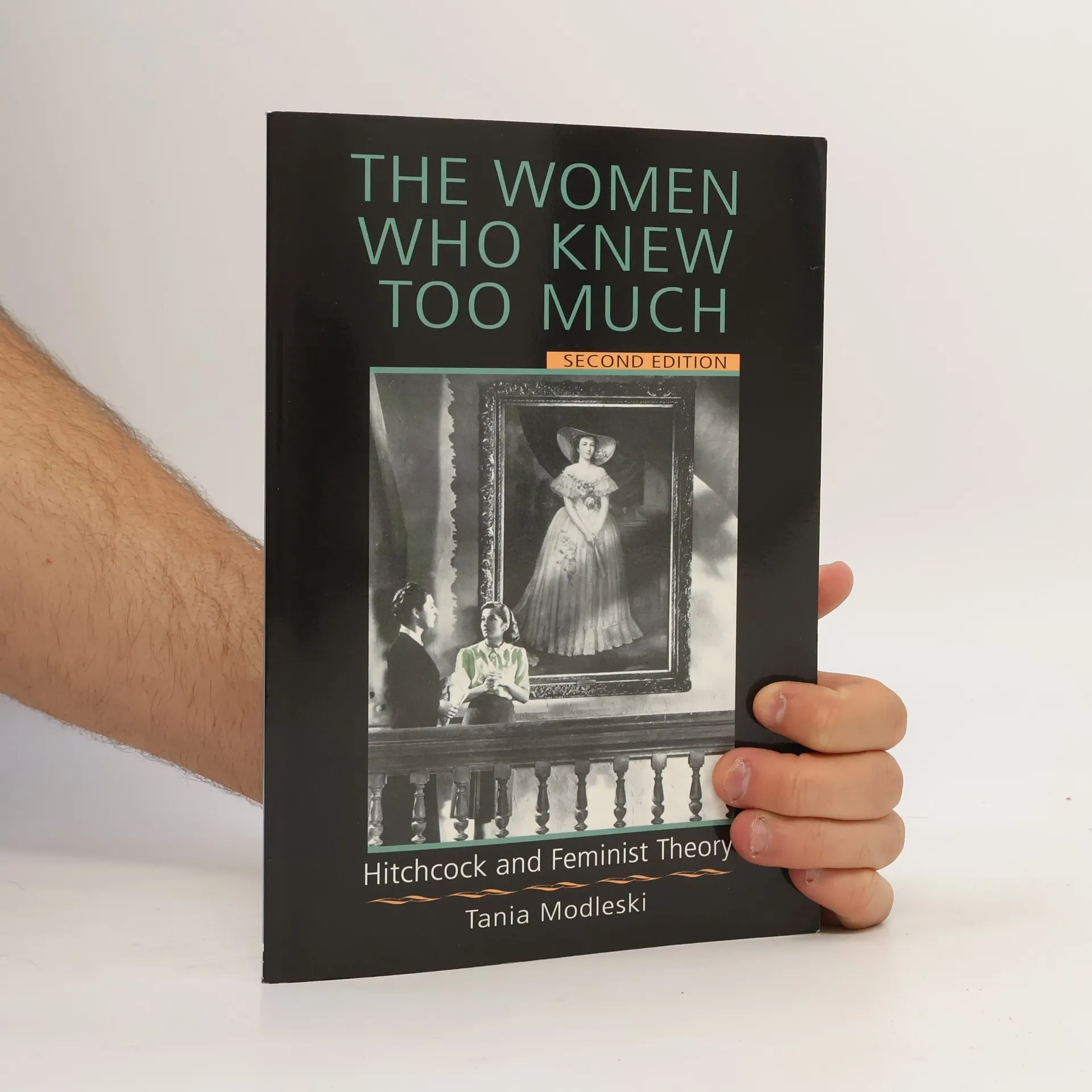
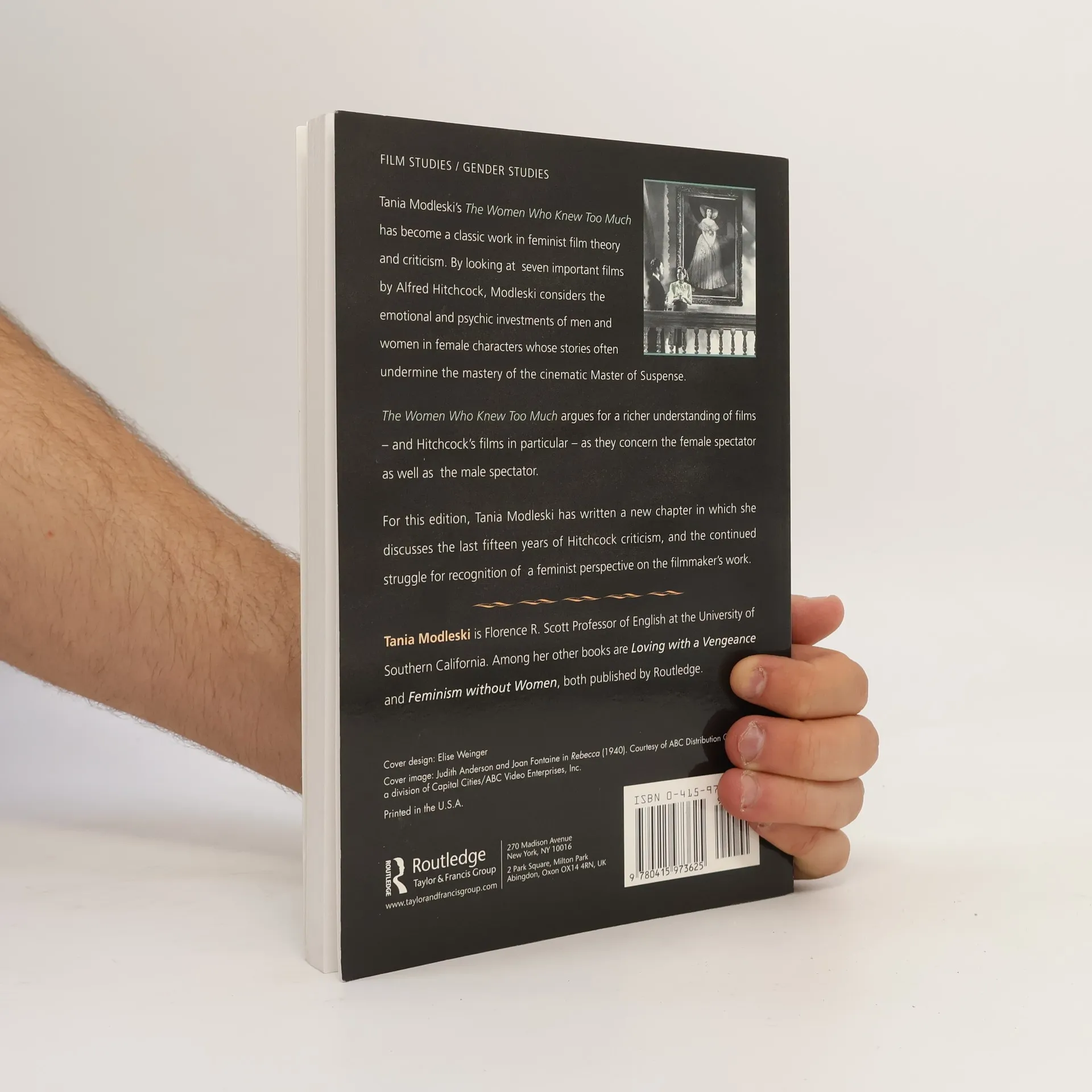
Although Alfred Hitchcock's films have been central to the formulation of feminist film theory, and to the practice of feminist film criticism, there has never been a book-length feminist study of a director whose cinematic treatment of women has been notoriously controversial.In The Women Who Knew Too Much, Tania Modleski claims that critical approaches to Hitchcock have falsely fallen into two camps: either he is seen as a misogynist, or he is seen as sympathetic to women in his demonstration of women's plight in patriarchy. In opposition to these positions, Modleski asserts that Hitchcock is deeply ambivalent towards his female characters. The Women Who Knew Too Much examines both the director's complex attitude toward femininity, and the implications of that attitutde for the audience. The book represents a significant contribution to the debates in film theory around the issue of gender and film spectatorship; in particular, it seeks to complicate the view that women's response to patriarchal cinema can only be masochistic, while men's response is necessarily sadistic.Applying the theories of psychoanalysis, mass culture, and a broad range of film (and) feminist criticism, Modleski offers compelling readings of seven Hitchcock films from various periods in his career.
Achat du livre
The Women Who Knew Too Much, Tania Modleski
- Langue

- Année de publication
- 2005
- Reliure
- (souple)
Modes de paiement
Personne n'a encore évalué .
- Titre
- The Women Who Knew Too Much
- Sous-titre
- Hitchcock and Feminist Theory - Second Edition
- Langue
- Anglais
- Auteurs
- Tania Modleski
- Éditeur
- Routledge
- Publié
- 2005
- Format
- souple
- Pages
- 200
- ISBN10
- 0415973627
- ISBN13
- 9780415973625
- Séries
- Catégories
- Mots clés
- Thème historique, Féminisme, Histoire de l'Europe, Théories scientifiques, D'après un film/série, Psychoanalyse, Spectacle vivant, Danse
- Description
- Although Alfred Hitchcock's films have been central to the formulation of feminist film theory, and to the practice of feminist film criticism, there has never been a book-length feminist study of a director whose cinematic treatment of women has been notoriously controversial.In The Women Who Knew Too Much, Tania Modleski claims that critical approaches to Hitchcock have falsely fallen into two camps: either he is seen as a misogynist, or he is seen as sympathetic to women in his demonstration of women's plight in patriarchy. In opposition to these positions, Modleski asserts that Hitchcock is deeply ambivalent towards his female characters. The Women Who Knew Too Much examines both the director's complex attitude toward femininity, and the implications of that attitutde for the audience. The book represents a significant contribution to the debates in film theory around the issue of gender and film spectatorship; in particular, it seeks to complicate the view that women's response to patriarchal cinema can only be masochistic, while men's response is necessarily sadistic.Applying the theories of psychoanalysis, mass culture, and a broad range of film (and) feminist criticism, Modleski offers compelling readings of seven Hitchcock films from various periods in his career.