

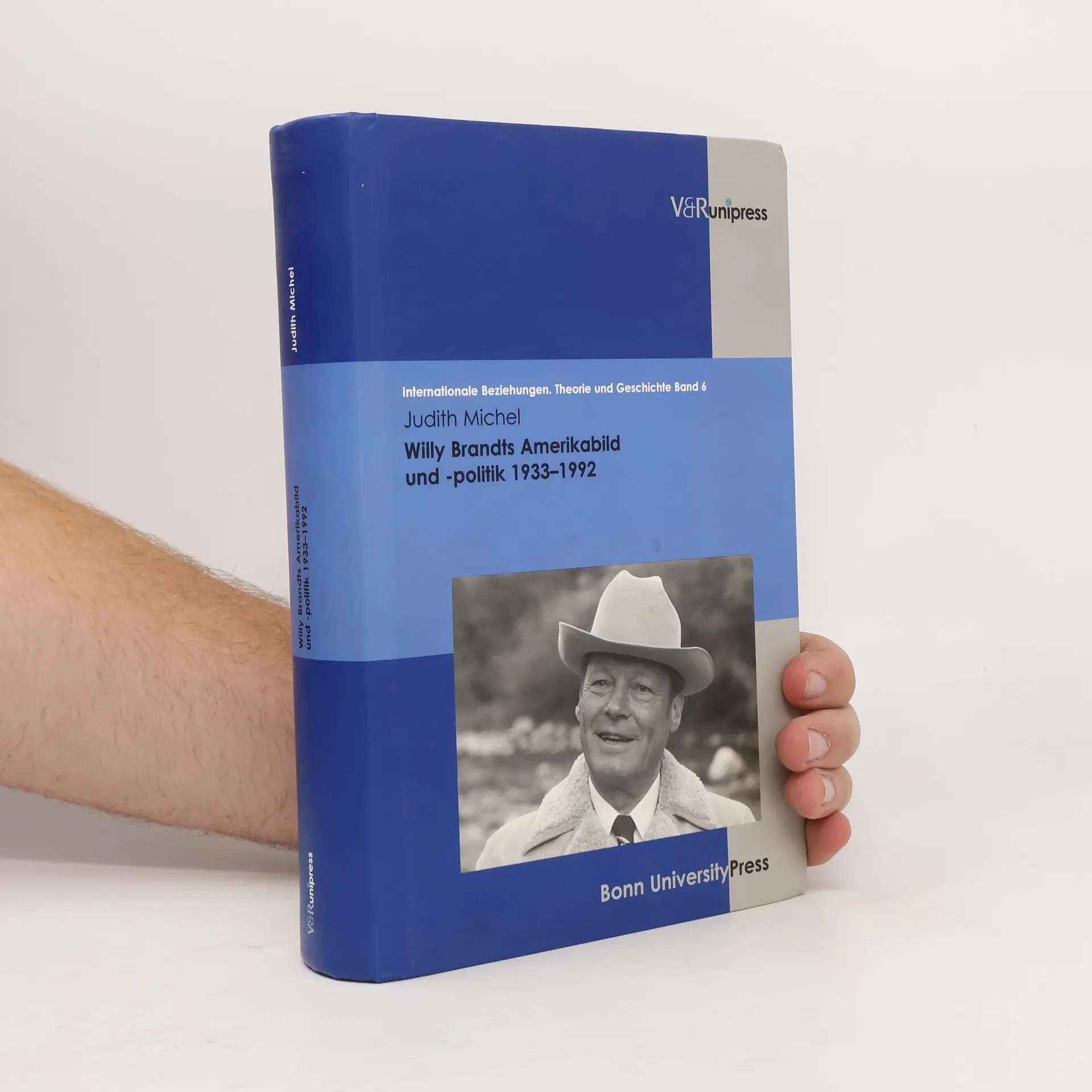

Paramètres
- 565pages
- 20 heures de lecture
En savoir plus sur le livre
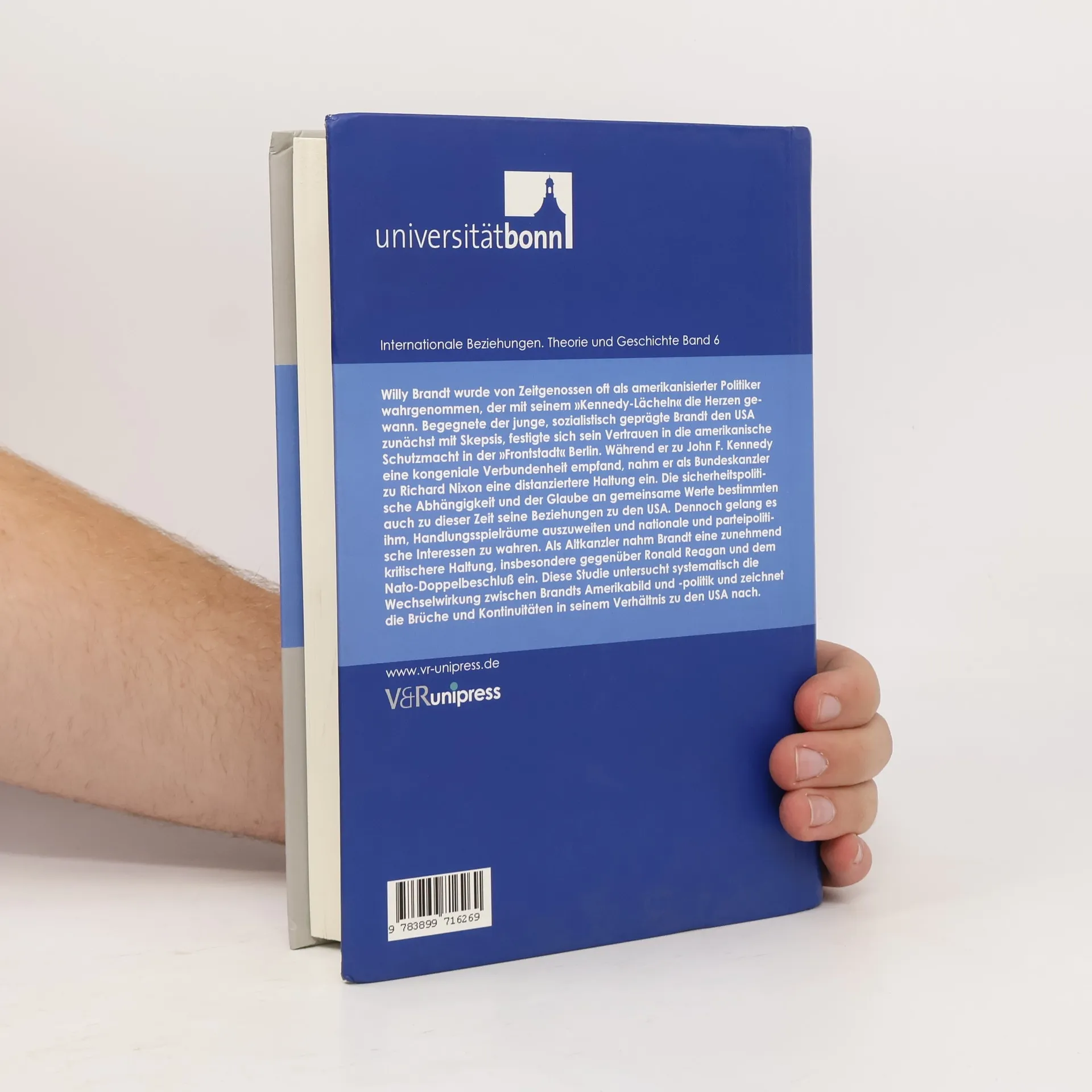
Many of Willy Brandt’s contemporaries regarded him as a kind of Americanized politician who could win over both peers and counterparts with his “Kennedy smile.” As a young socialist, Brandt had displayed a certain skepticism toward the United States; but in the “Frontier Town” of Berlin, his confidence in America’s protective power grew stronger. He felt a congenial affinity to John F. Kennedy, though later as Chancellor of the Federal Republic he assumed a more reserved attitude toward President Richard Nixon. With regard to issues such as the Vietnam War and Ostpolitik, the military dependence of Germany on the United States and Brandt’s belief in shared values were to shape his relations with the United States during his time in office. Nevertheless, he was able to increase his scope of action toward Germany’s key partner and to preserve both national and party political interests. Following his term as Chancellor, Brandt adopted an increasingly critical position, particularly toward Ronald Reagan and NATO’s dual-track decision. Using a wide range of sources, this study systematically analyzes the reciprocal effects of Brandt’s perception of and his policy toward the United States, depicting both the breaks and continuities in his relationship with America.
Achat du livre
Internationale Beziehungen. Theorie und Geschichte - 6: Willy Brandts Amerikabild und -politik 1933 - 1992, Judith Michel
- Langue

- Année de publication
- 2010
- Reliure
- (rigide)
Modes de paiement
Personne n'a encore évalué .
- Titre
- Internationale Beziehungen. Theorie und Geschichte - 6: Willy Brandts Amerikabild und -politik 1933 - 1992
- Sous-titre
- Diss.
- Langue
- Allemand
- Auteurs
- Judith Michel
- Publié
- 2010
- Format
- rigide
- Pages
- 565
- ISBN10
- 3899716264
- ISBN13
- 9783899716269
- Séries
- Catégories
- Mots clés
- Thème historique, Manuels, Manuels universitaires, Politique, Allemagne, 20e siècle, Europe, Théories politiques, Relations internationales, Histoire du 20e siècle, Guerre Froide, Diplomatie, République Fédérale d'Allemagne, Politique étrangère
- Description
- Many of Willy Brandt’s contemporaries regarded him as a kind of Americanized politician who could win over both peers and counterparts with his “Kennedy smile.” As a young socialist, Brandt had displayed a certain skepticism toward the United States; but in the “Frontier Town” of Berlin, his confidence in America’s protective power grew stronger. He felt a congenial affinity to John F. Kennedy, though later as Chancellor of the Federal Republic he assumed a more reserved attitude toward President Richard Nixon. With regard to issues such as the Vietnam War and Ostpolitik, the military dependence of Germany on the United States and Brandt’s belief in shared values were to shape his relations with the United States during his time in office. Nevertheless, he was able to increase his scope of action toward Germany’s key partner and to preserve both national and party political interests. Following his term as Chancellor, Brandt adopted an increasingly critical position, particularly toward Ronald Reagan and NATO’s dual-track decision. Using a wide range of sources, this study systematically analyzes the reciprocal effects of Brandt’s perception of and his policy toward the United States, depicting both the breaks and continuities in his relationship with America.