



Paramètres
- 480pages
- 17 heures de lecture
En savoir plus sur le livre
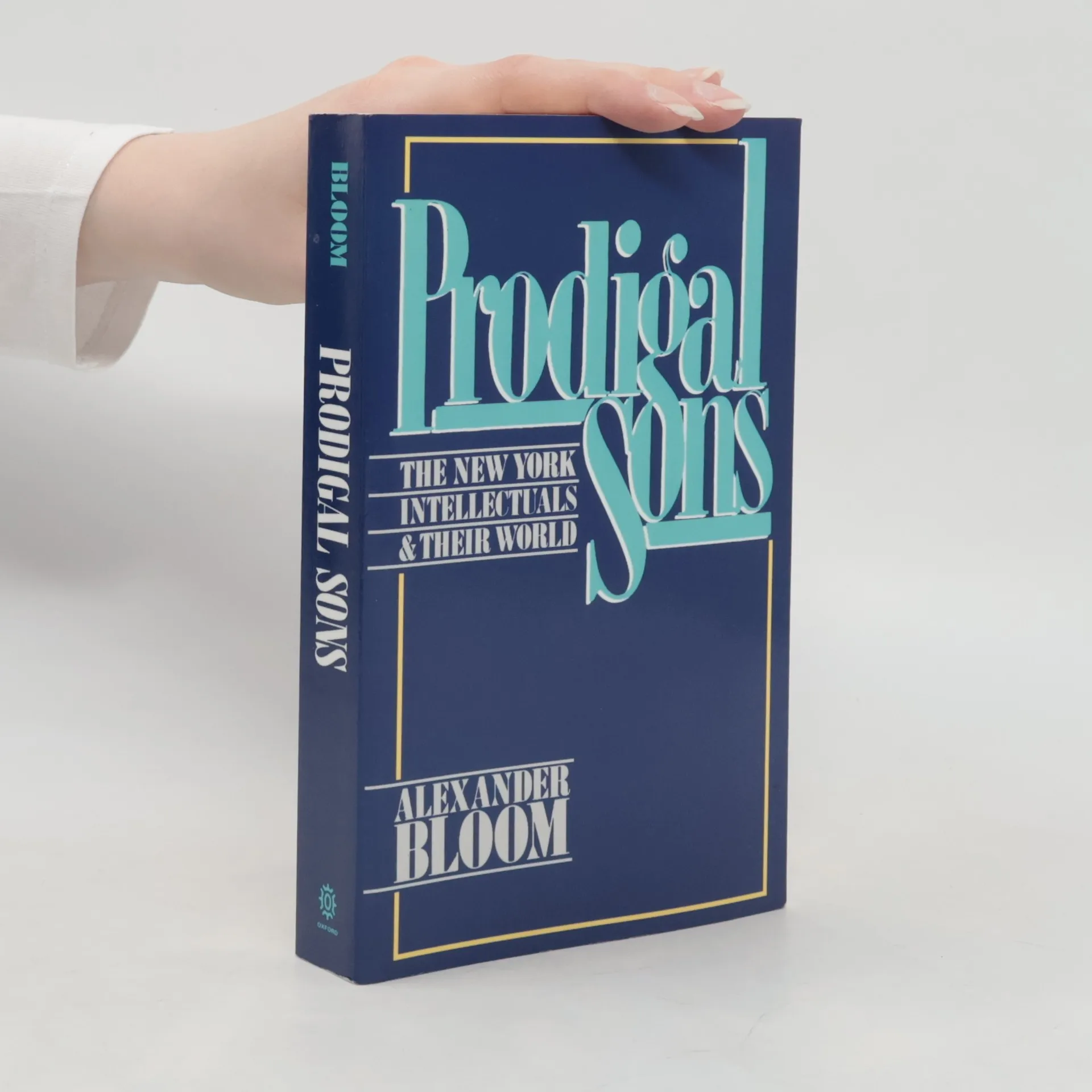
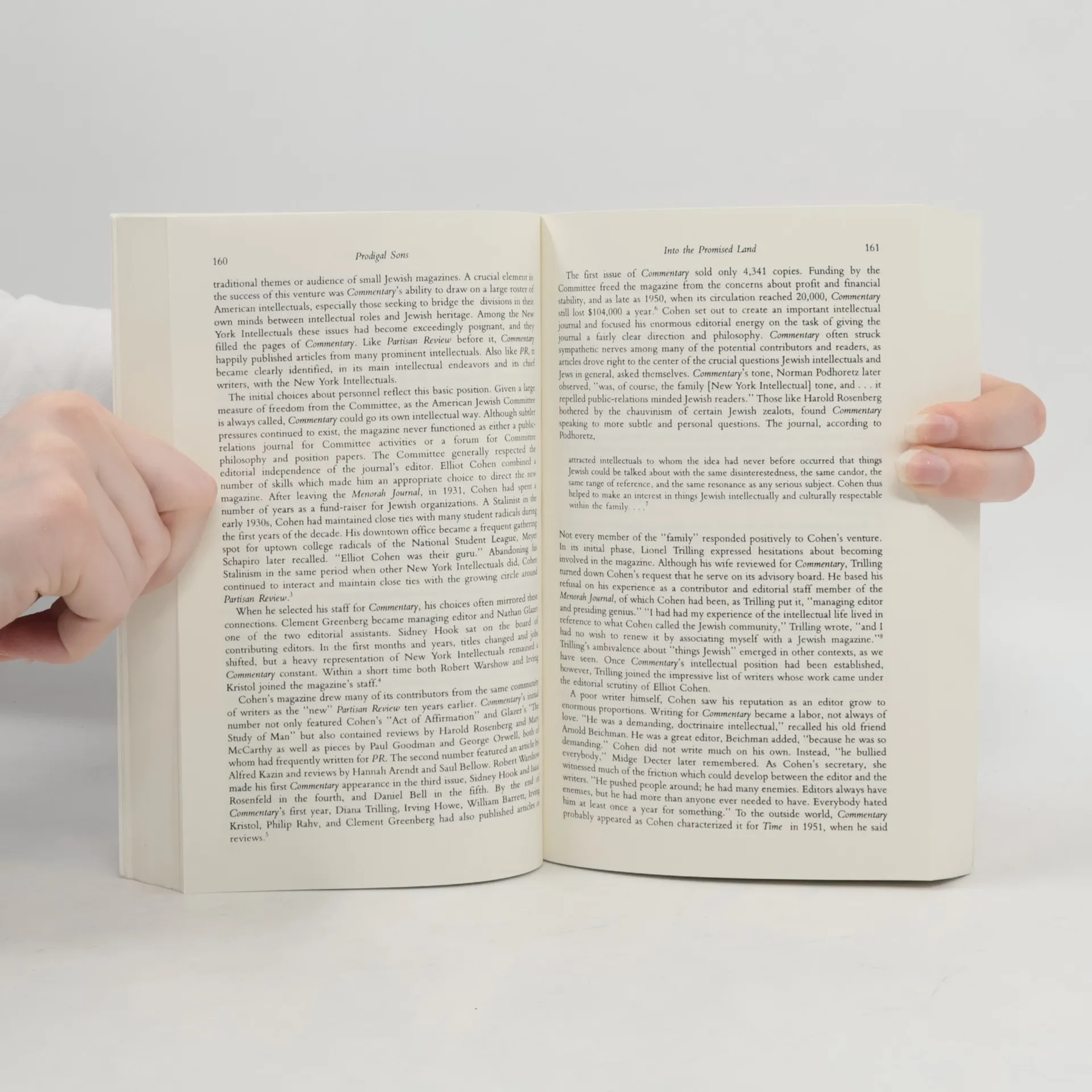
Harold Rosenberg once described his fellow intellectuals as "a herd of independent minds," showcasing a unique group that includes literary critics, social scientists, art critics, novelists, and political journalists. This book delves into their significant roles in pivotal intellectual and political events over the decades, as well as their influence within major academic institutions and prestigious journals like Partisan Review, Commentary, and The New York Review of Books. Many of these figures emerged from humble beginnings, often poor and Jewish, as children of immigrants. The narrative traces their shared history, from their New York City ghetto upbringing and education at Columbia and City College to their radicalization in the 1930s and subsequent prominence in the postwar literary and academic scenes. It explores their initial attempts to distance themselves from their Jewish heritage and their eventual rediscovery of it following the Holocaust. The book also highlights their shift toward the liberal center during the Cold War and the fragmentation of the group in the 1960s, as some aligned with the Neo-Conservative movement in the following decades. While there is no singular archetype of a New York intellectual, the text examines the formation of this community, its evolving ideas, and the reasons for its eventual disintegration, providing insight into the political and cultural landscape that shaped their exp
Achat du livre
Prodigal Sons, Alexander Bloom
- Langue

- Année de publication
- 1986
- product-detail.submit-box.info.binding
- (souple),
- État du livre
- Abîmé
- Prix
- 3,59 €
Modes de paiement
Personne n'a encore évalué .
- Titre
- Prodigal Sons
- Sous-titre
- The New York Intellectuals and Their World
- Langue
- Anglais
- Auteurs
- Alexander Bloom
- Éditeur
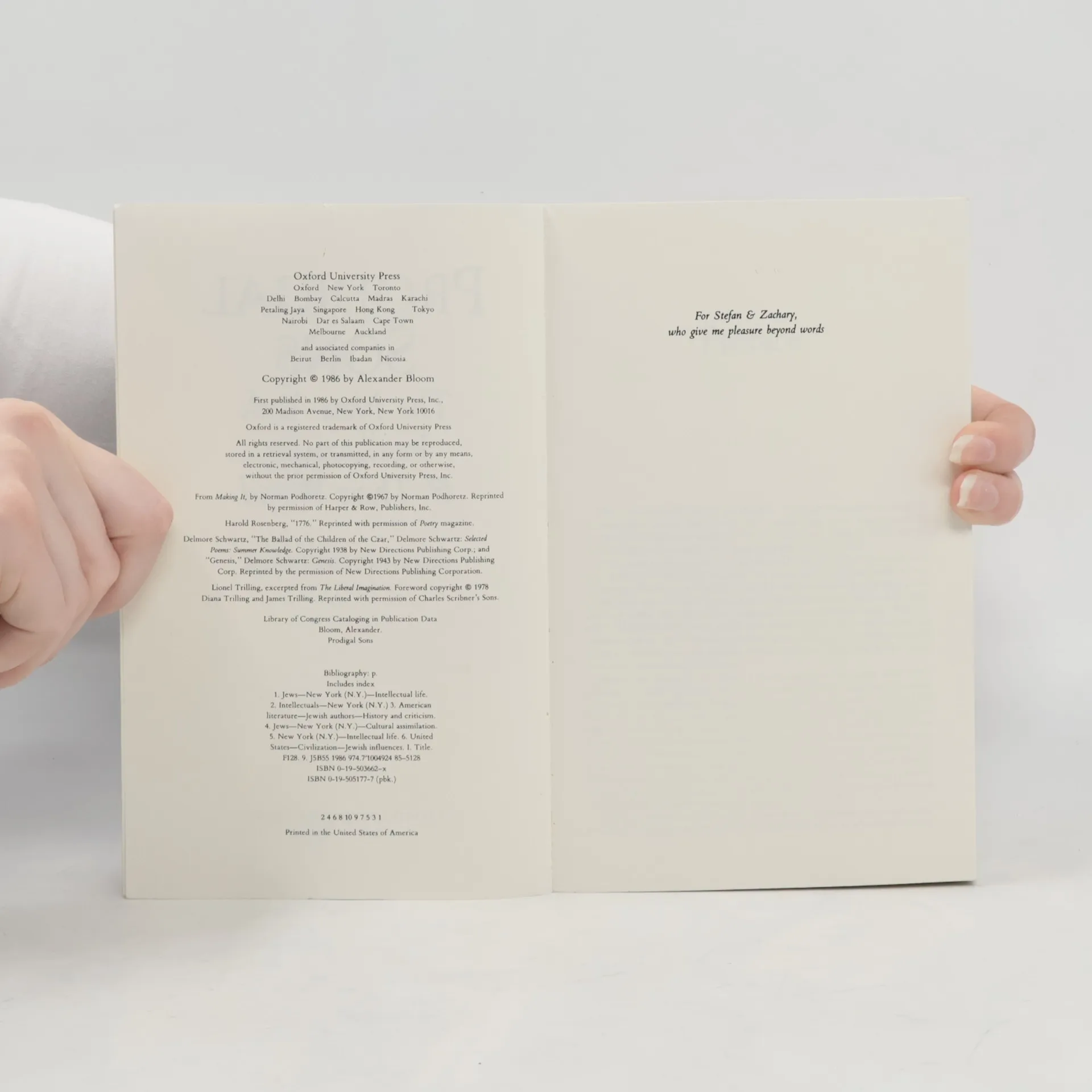
- Oxford University Press
- Publié
- 1986
- Format
- souple
- Pages
- 480
- ISBN10
- 0195051777
- ISBN13
- 9780195051773
- Séries
- Mots clés
- Nonfiction, Sciences sociales, Thème historique, Politique, États-Unis, 20e siècle, Littérature américaine, Juifs, New York, Judaica, Littérature juive, Histoire sociale, Intellectuels, Classes sociales, Vie Intellectuelle
- Description
- Harold Rosenberg once described his fellow intellectuals as "a herd of independent minds," showcasing a unique group that includes literary critics, social scientists, art critics, novelists, and political journalists. This book delves into their significant roles in pivotal intellectual and political events over the decades, as well as their influence within major academic institutions and prestigious journals like Partisan Review, Commentary, and The New York Review of Books. Many of these figures emerged from humble beginnings, often poor and Jewish, as children of immigrants. The narrative traces their shared history, from their New York City ghetto upbringing and education at Columbia and City College to their radicalization in the 1930s and subsequent prominence in the postwar literary and academic scenes. It explores their initial attempts to distance themselves from their Jewish heritage and their eventual rediscovery of it following the Holocaust. The book also highlights their shift toward the liberal center during the Cold War and the fragmentation of the group in the 1960s, as some aligned with the Neo-Conservative movement in the following decades. While there is no singular archetype of a New York intellectual, the text examines the formation of this community, its evolving ideas, and the reasons for its eventual disintegration, providing insight into the political and cultural landscape that shaped their exp