

Paramètres
- 615pages
- 22 heures de lecture
En savoir plus sur le livre
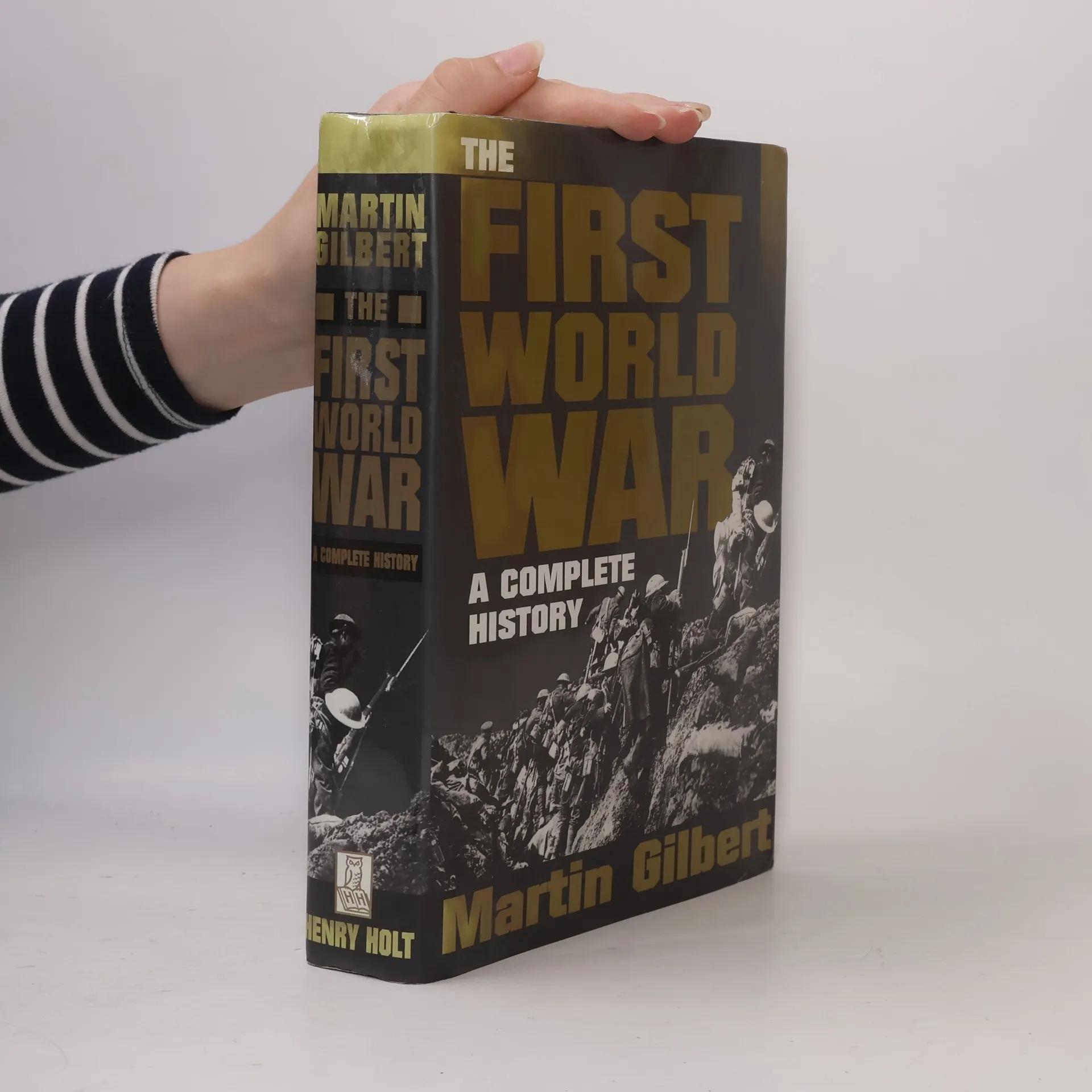
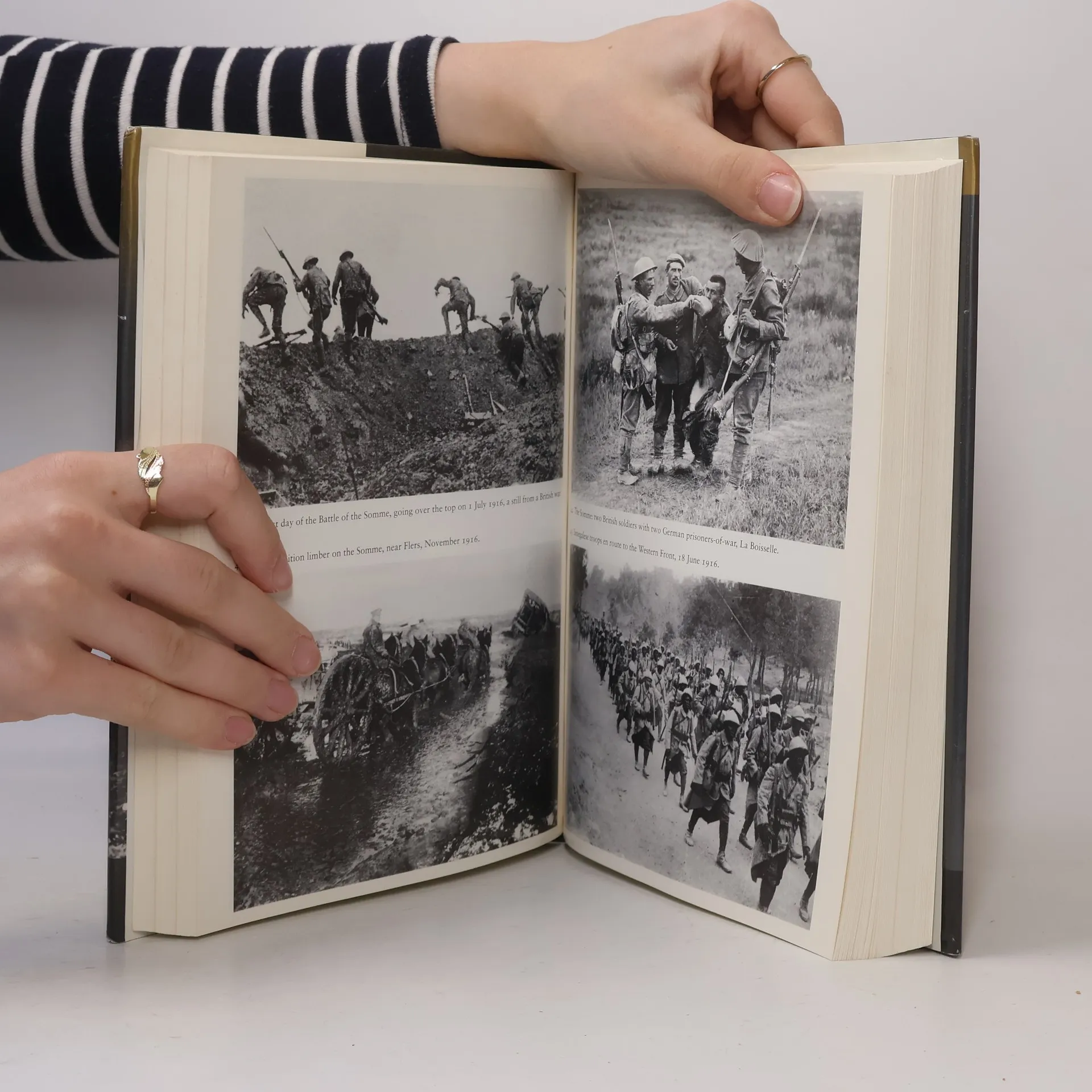
At 11:15 on June 28, 1914, in Sarajevo, the assassination of Archduke Franz Ferdinand marked the birth of the twentieth century. This act triggered a global war lasting nearly five years, resulting in five million civilian casualties and over nine million military deaths. The losses on both the Allied and Central Powers sides were staggering, with nearly every European town commemorating the dead. The war introduced devastating technologies: tanks, planes, submarines, and rapid-fire machine guns, alongside new warfare tactics like convoys, U-boat packs, and aerial reconnaissance. It also unleashed horrors such as poison gas, strategic bombing, and widespread atrocities. The aftermath saw empires crumble, monarchies fall, and political systems realign, institutionalizing instabilities and enmities. Revolutionary ideologies emerged from both the left and right, leading to a seismic shift in social order, affecting manners, literature, arts, education, and class distinctions. This momentous event profoundly transformed the world, and in a companion volume to his acclaimed work on the Second World War, Martin Gilbert masterfully weaves these elements into a compelling narrative, solidifying his reputation as a leading historian.
Achat du livre
The First World War, Martin Gilbert
- Langue

- Année de publication
- 1994
- product-detail.submit-box.info.binding
- (rigide),
- État du livre
- Abîmé
- Prix
- 8,65 €
Modes de paiement
Personne n'a encore évalué .
- Titre
- The First World War
- Sous-titre
- A Complete History
- Langue
- Anglais
- Auteurs
- Martin Gilbert
- Éditeur
- Henry Holt & Company
- Publié
- 1994
- Format
- rigide
- Pages
- 615
- ISBN10
- 080501540X
- ISBN13
- 9780805015409
- Séries
- Mots clés
- Nonfiction, Thème historique, Histoire, Technologie & Ingénierie, Histoire militaire, Prose de guerre, Guerres, Militaire, Première Guerre mondiale (1914–1918)
- Description
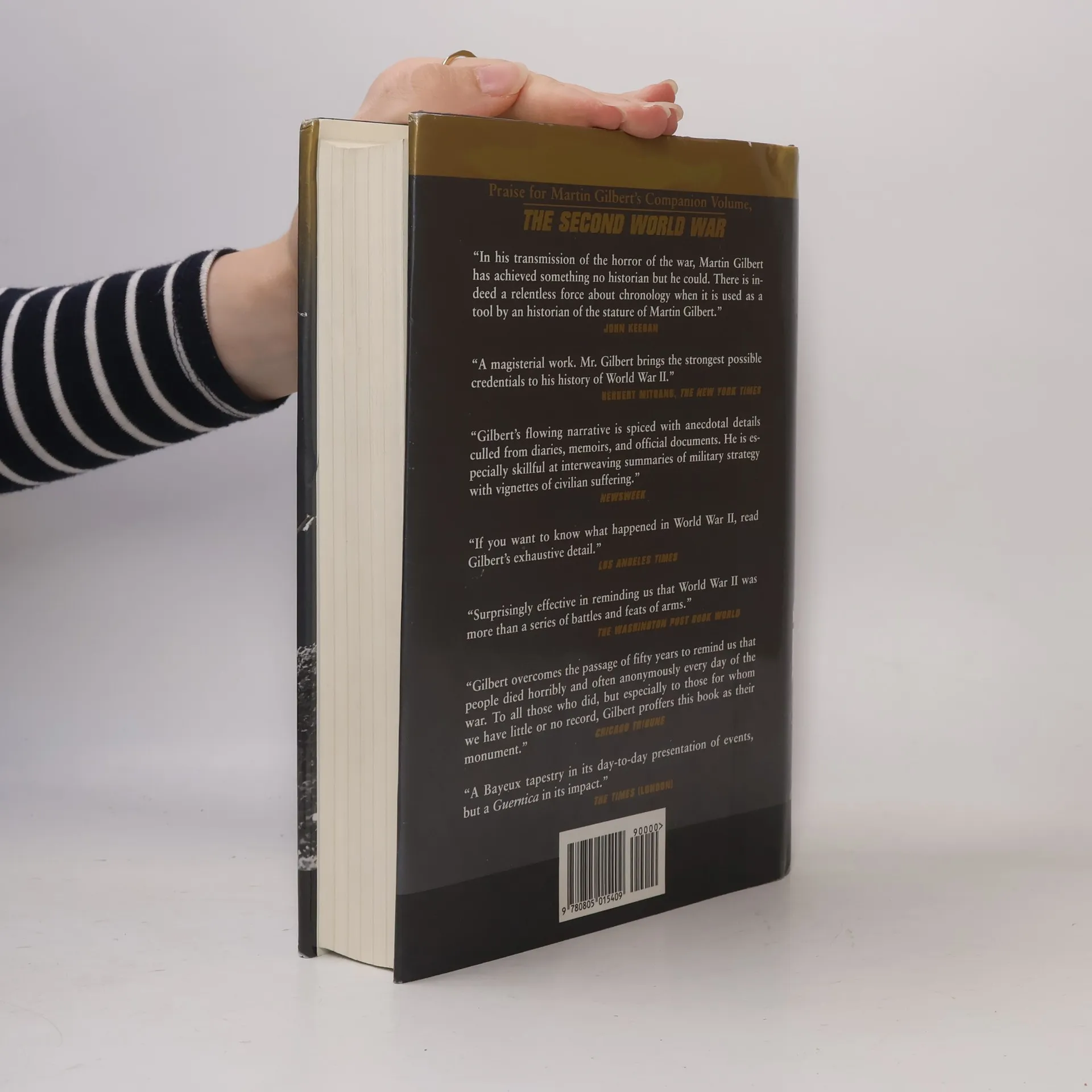
- At 11:15 on June 28, 1914, in Sarajevo, the assassination of Archduke Franz Ferdinand marked the birth of the twentieth century. This act triggered a global war lasting nearly five years, resulting in five million civilian casualties and over nine million military deaths. The losses on both the Allied and Central Powers sides were staggering, with nearly every European town commemorating the dead. The war introduced devastating technologies: tanks, planes, submarines, and rapid-fire machine guns, alongside new warfare tactics like convoys, U-boat packs, and aerial reconnaissance. It also unleashed horrors such as poison gas, strategic bombing, and widespread atrocities. The aftermath saw empires crumble, monarchies fall, and political systems realign, institutionalizing instabilities and enmities. Revolutionary ideologies emerged from both the left and right, leading to a seismic shift in social order, affecting manners, literature, arts, education, and class distinctions. This momentous event profoundly transformed the world, and in a companion volume to his acclaimed work on the Second World War, Martin Gilbert masterfully weaves these elements into a compelling narrative, solidifying his reputation as a leading historian.