



En savoir plus sur le livre
Liquid crystals in the last two decades have become part of a technological explosion, leading to advances in areas as diverse as oil recovery, the production of temperature sensors--from medical thermograms to mood rings--and biological research into nerve conduction and arteriosclerosis. Although they are as fundamental a phase of matter as solids, liquids, and gases, liquid crystals have over the past century puzzled scientists by their very existence. With this book Peter Collings is among the first to introduce the general reader to what is known of the chemistry and physics of liquid crystals, focusing on the basic principles behind their myriad of delicate properties. Written in a clear and lively style, this work is accessible to readers with a basic science background and the willingness to learn more about this ubiquitous technology. Collings discusses the discovery of liquid crystals and the theoretical research presently being performed. He also describes important applications, emphasizing the role of liquid crystal display technology in such devices as laptop computers, automobile dashboards, and pocket color televisions. Finally, the author covers new developments pertaining to polymers, emulsions, and biological systems as well as the importance of these advances for industry and medicine.
Achat du livre
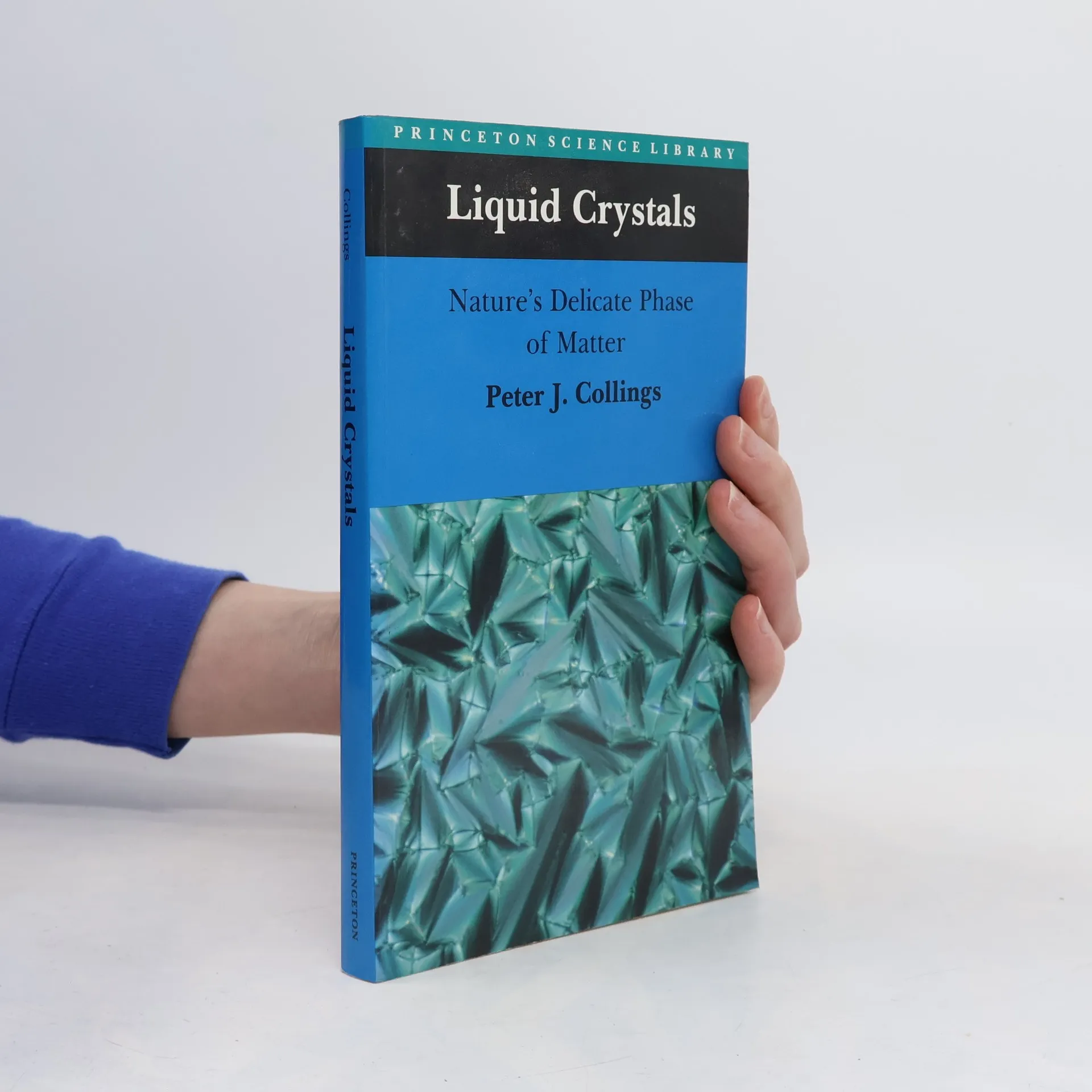
Princeton Science Library: Liquid Crystals, Peter J. Collings
- Langue

- Année de publication
- 1990
- Reliure
- (souple)
Modes de paiement
Personne n'a encore évalué .
- Titre
- Princeton Science Library: Liquid Crystals
- Sous-titre
- Nature's Delicate Phase of Matter
- Langue
- Anglais
- Auteurs
- Peter J. Collings
- Éditeur
- Princeton University Press
- Publié
- 1990
- Format
- souple
- Pages
- 222
- ISBN10
- 0691024294
- ISBN13
- 9780691024295
- Séries
- Mots clés
- Sciences naturelles, Science
- Description
- Liquid crystals in the last two decades have become part of a technological explosion, leading to advances in areas as diverse as oil recovery, the production of temperature sensors--from medical thermograms to mood rings--and biological research into nerve conduction and arteriosclerosis. Although they are as fundamental a phase of matter as solids, liquids, and gases, liquid crystals have over the past century puzzled scientists by their very existence. With this book Peter Collings is among the first to introduce the general reader to what is known of the chemistry and physics of liquid crystals, focusing on the basic principles behind their myriad of delicate properties. Written in a clear and lively style, this work is accessible to readers with a basic science background and the willingness to learn more about this ubiquitous technology. Collings discusses the discovery of liquid crystals and the theoretical research presently being performed. He also describes important applications, emphasizing the role of liquid crystal display technology in such devices as laptop computers, automobile dashboards, and pocket color televisions. Finally, the author covers new developments pertaining to polymers, emulsions, and biological systems as well as the importance of these advances for industry and medicine.