

Paramètres
- 395pages
- 14 heures de lecture
En savoir plus sur le livre
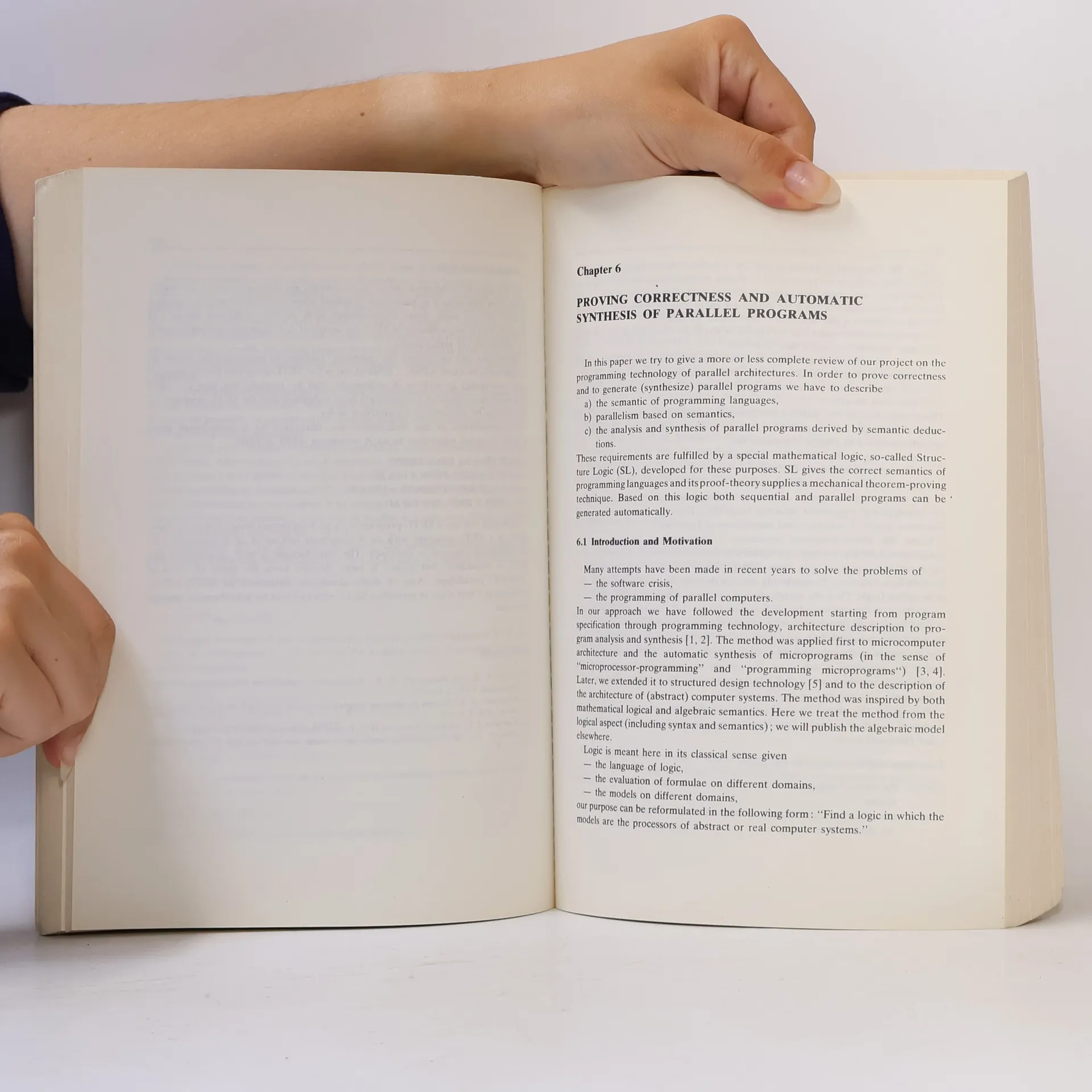
In the past 35 years, both algorithms and the software and hardware of automatic computers have experienced rapid development, primarily driven by advances in computer technology. Improvements in computer parameters have been achieved through the evolution of electron tubes, transistors, and integrated circuits with increasing integration density, which in turn has influenced the creation of new algorithms and programming methods. Previously, performance enhancements through increased speed of logical elements reached a limit due to the physical constraints on the maximum transfer speed of electric signals. However, a significant boost in performance has been realized through parallelism, allowing for a performance increase of up to n times with the proper organization of n processors. Extensive research into parallel computations has yielded fundamental results across various countries, leading to the design of numerous parallel computers and their respective algorithmic and programming systems. Notable examples include ILLIAC IV, DAP, STARAN, OMEN, STAR-100, TEXAS INSTRUMENTS ASC, CRAY-1, C mmp, CM*, CLIP-3, and PEPE. This trend is reinforced by the highly parallel nature of many algorithms and programs, advancements in LSI and VLSI technologies enabling the combination of processors into large parallel structures, and increasing demands for speed and reliability in computing.
Achat du livre
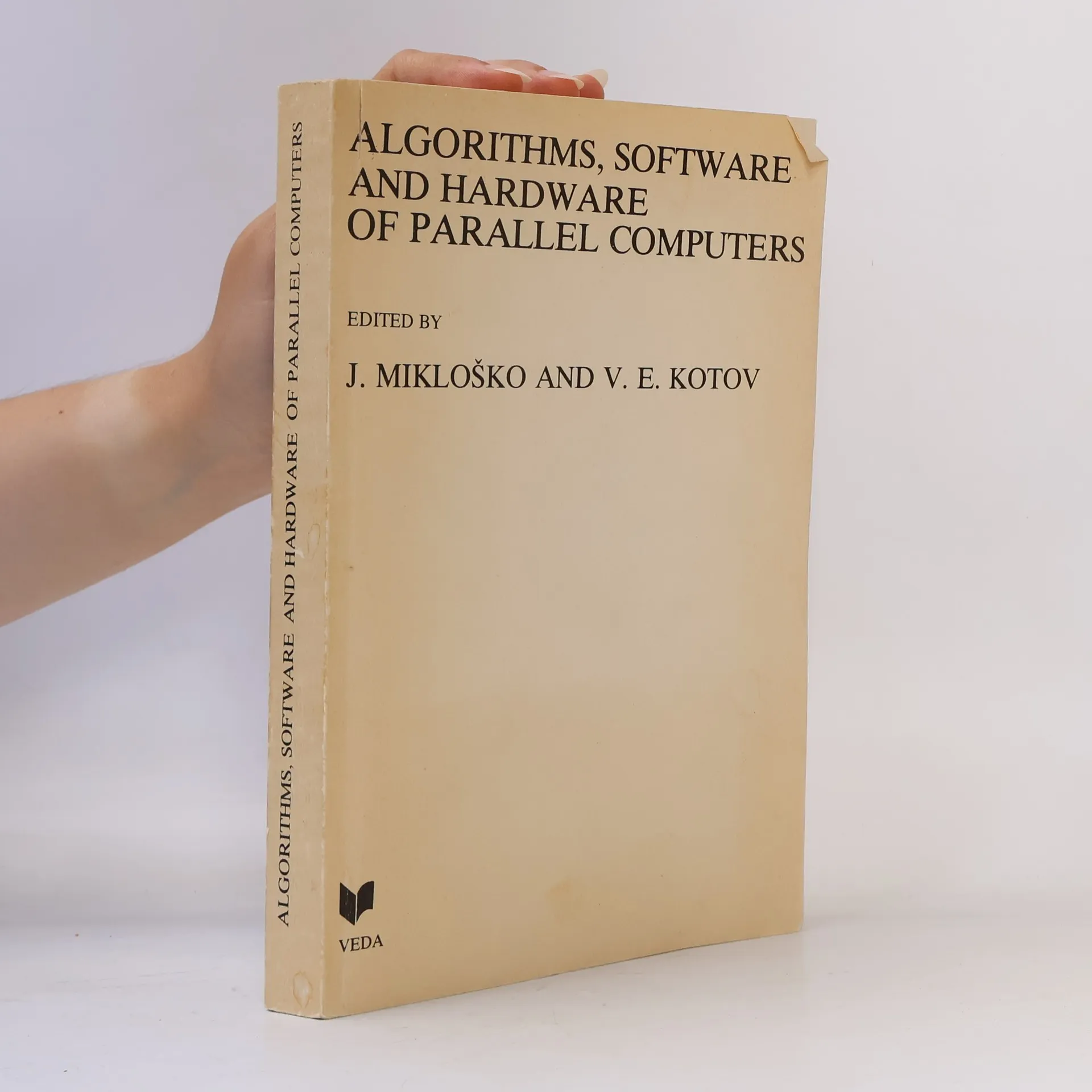
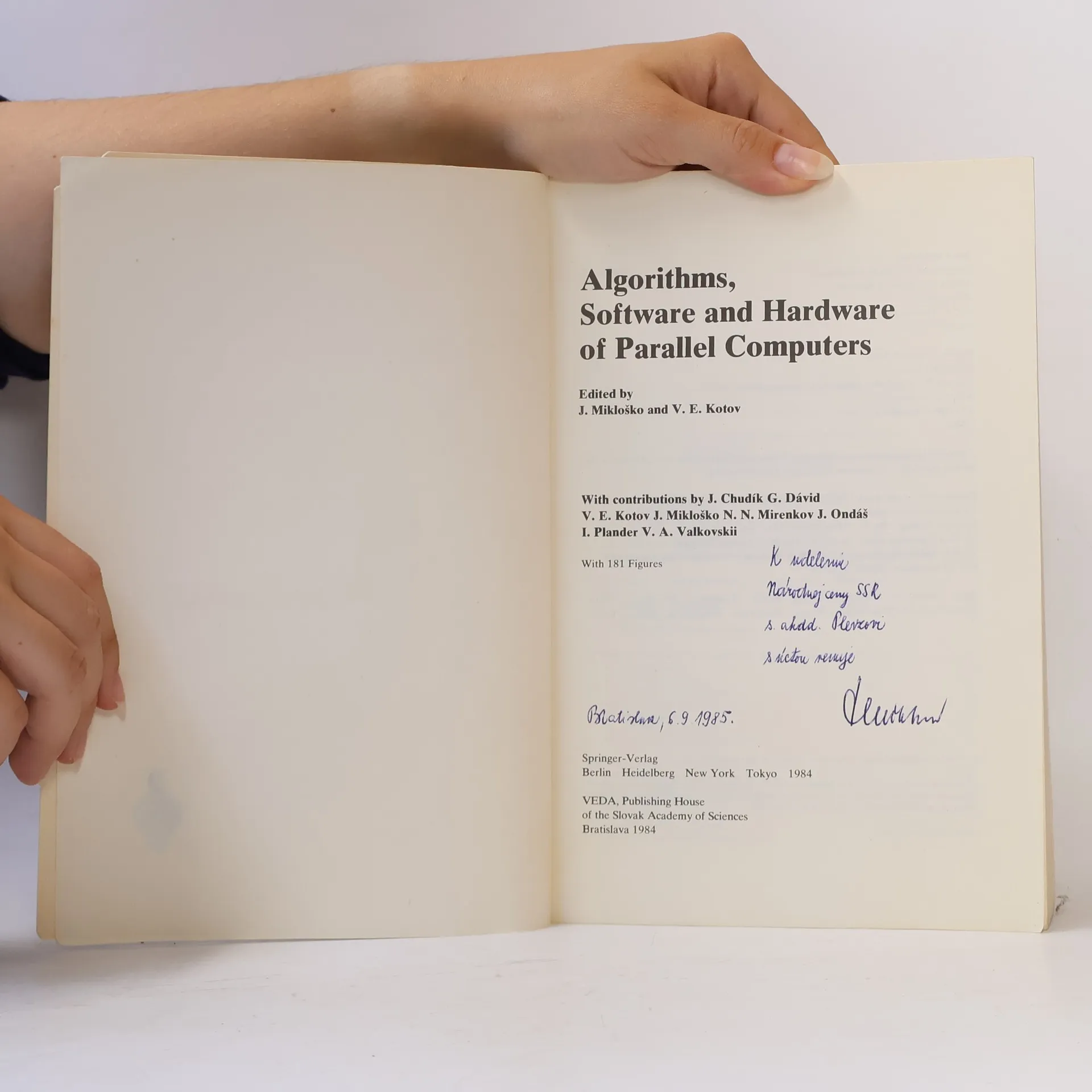
Algorithms, Software and Hardware of Parallel Computers, J. Mikloško, V. E. Kotov
- Langue

- Année de publication
- 1984
- product-detail.submit-box.info.binding
- (rigide),
- État du livre
- Abîmé
- Prix
- 6,38 €
Modes de paiement
Personne n'a encore évalué .
- Langue
- Anglais
- Auteurs
- J. Mikloško, V. E. Kotov
- Éditeur
- Springer Verlag
- Publié
- 1984
- Format
- rigide
- Pages
- 395
- ISBN10
- 3540136576
- ISBN13
- 9783540136576
- Séries
- Mots clés
- Nonfiction, Art / Culture, Technologie & Ingénierie, Informatique & Internet, Design, Logiciel, Intelligence Artificielle, Développement, Algorithmes, Matériel informatique, Systèmes experts
- Description
- In the past 35 years, both algorithms and the software and hardware of automatic computers have experienced rapid development, primarily driven by advances in computer technology. Improvements in computer parameters have been achieved through the evolution of electron tubes, transistors, and integrated circuits with increasing integration density, which in turn has influenced the creation of new algorithms and programming methods. Previously, performance enhancements through increased speed of logical elements reached a limit due to the physical constraints on the maximum transfer speed of electric signals. However, a significant boost in performance has been realized through parallelism, allowing for a performance increase of up to n times with the proper organization of n processors. Extensive research into parallel computations has yielded fundamental results across various countries, leading to the design of numerous parallel computers and their respective algorithmic and programming systems. Notable examples include ILLIAC IV, DAP, STARAN, OMEN, STAR-100, TEXAS INSTRUMENTS ASC, CRAY-1, C mmp, CM*, CLIP-3, and PEPE. This trend is reinforced by the highly parallel nature of many algorithms and programs, advancements in LSI and VLSI technologies enabling the combination of processors into large parallel structures, and increasing demands for speed and reliability in computing.