

En savoir plus sur le livre
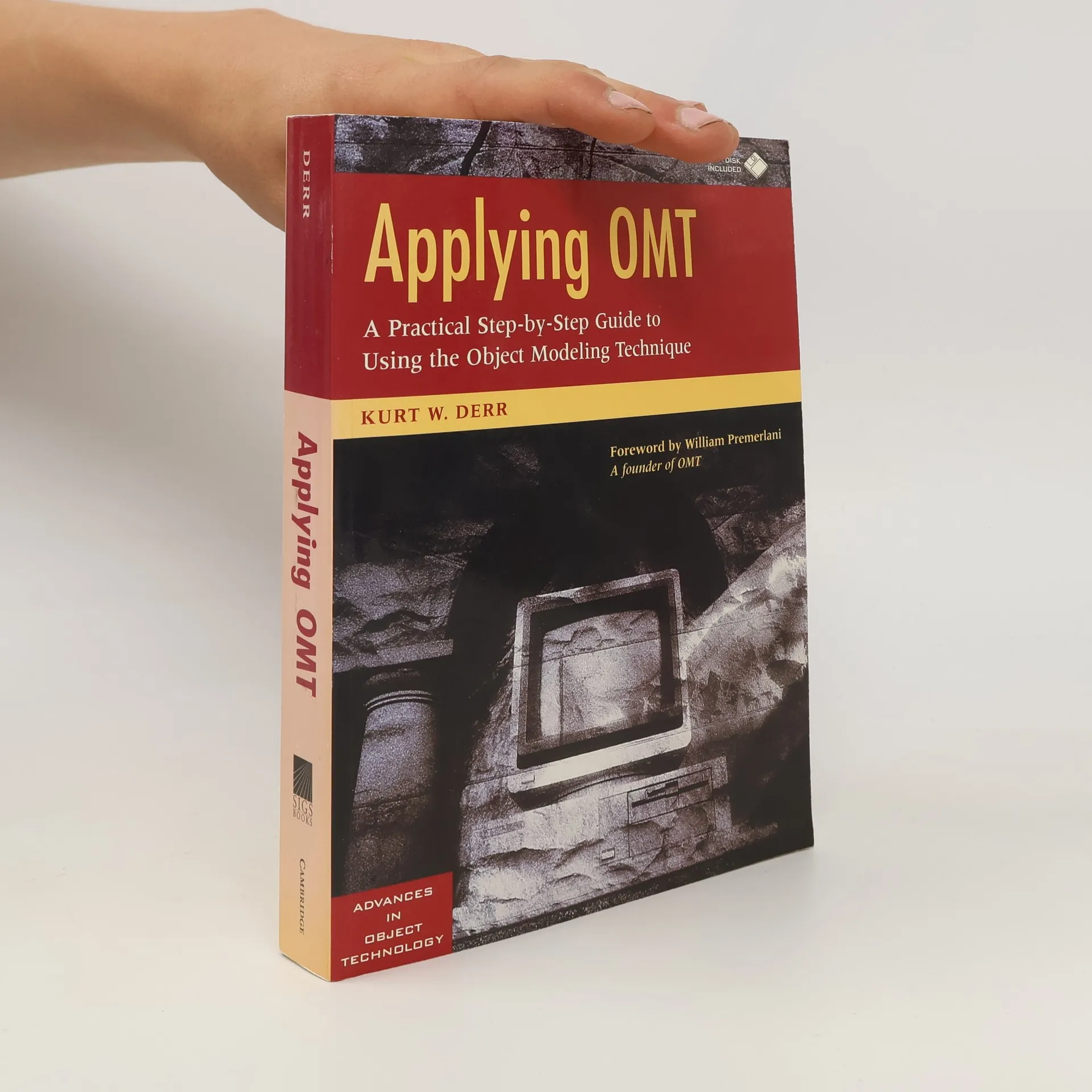
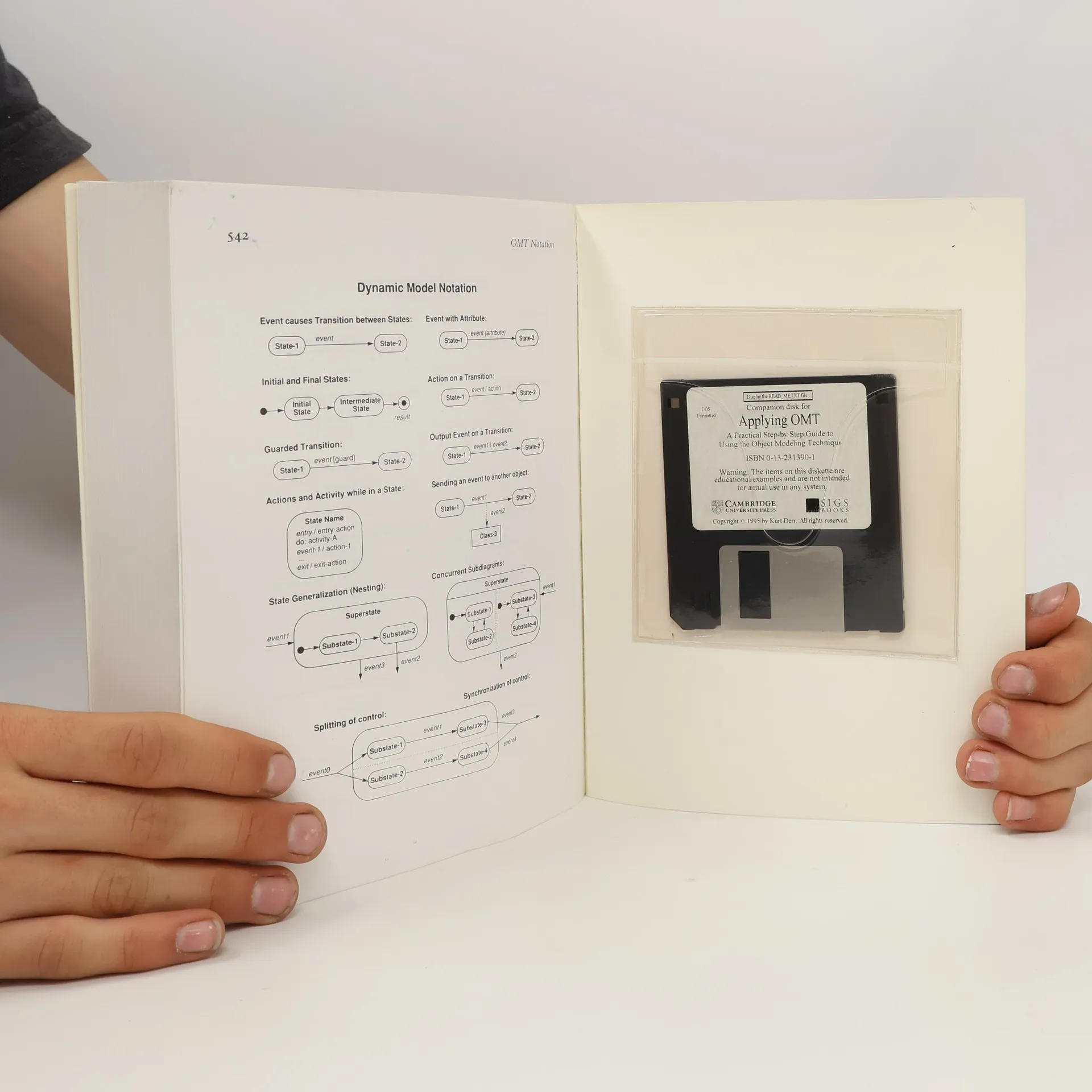
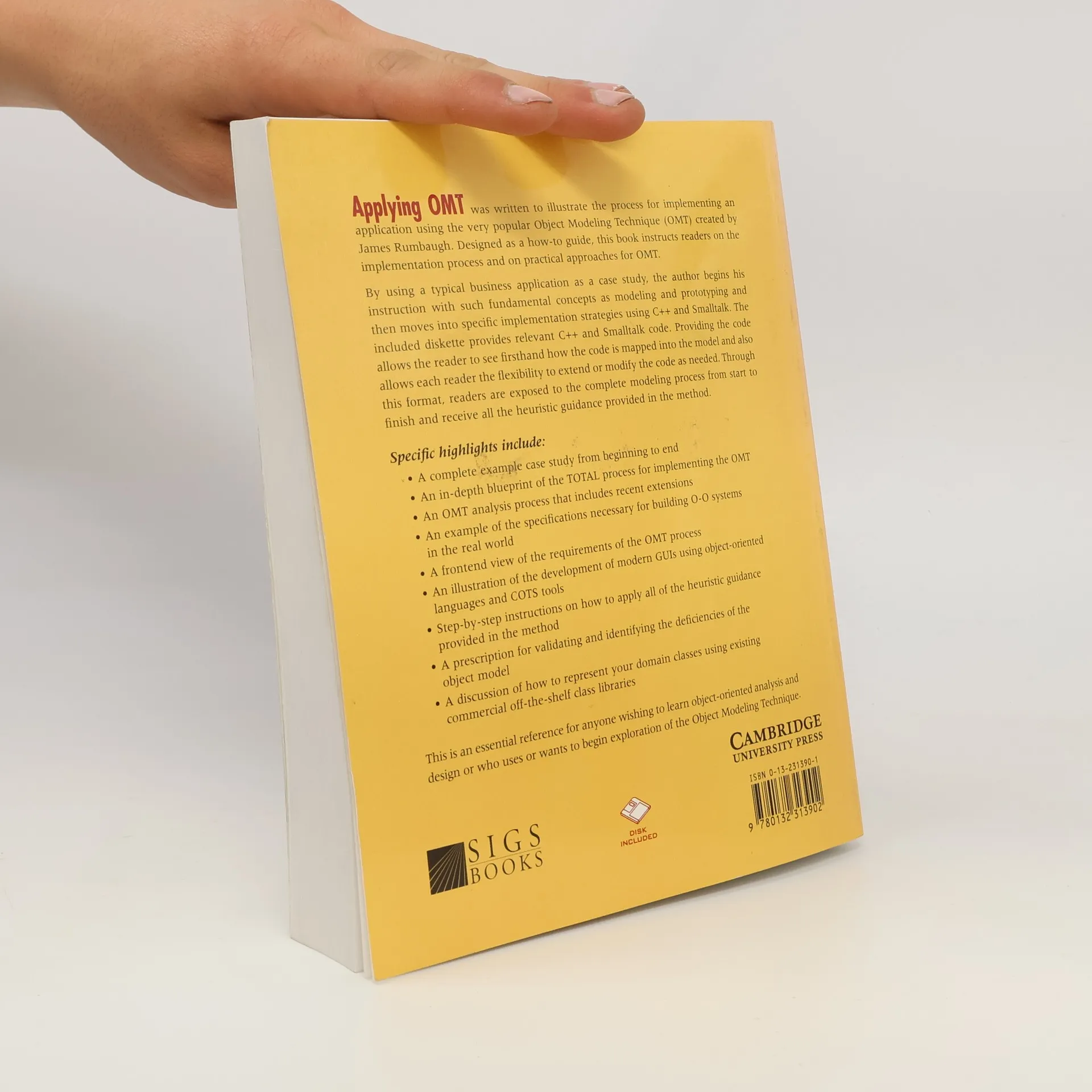
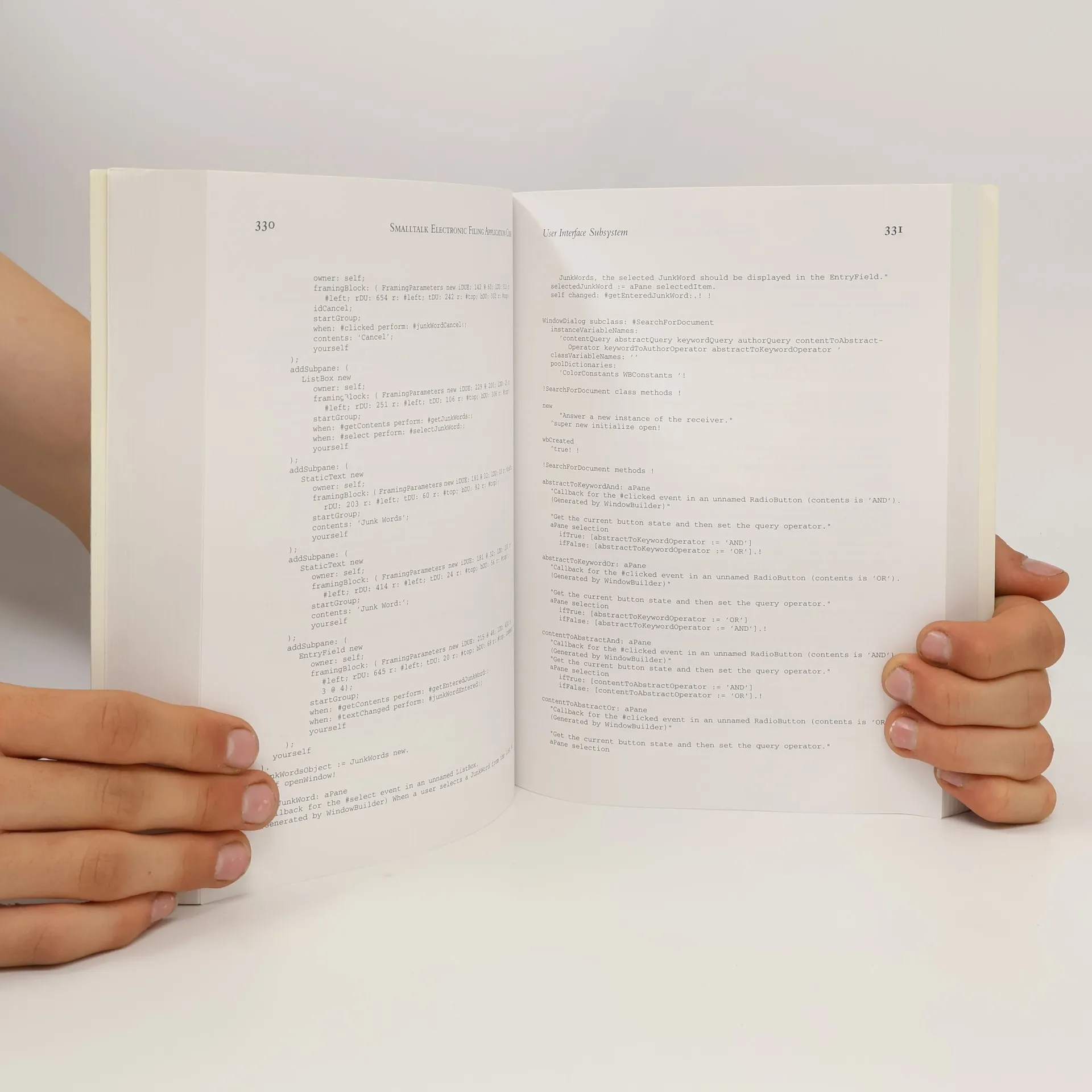
Applying OMT was written to illustrate the process for implementing an application using the very popular Object Modeling Technique (OMT) created by James Rumbaugh. Designed as a how-to guide, this book instructs readers on the implementation process and on practical approaches for OMT. By using a typical business application as a case study, the author begins his instruction with such fundamental concepts as modeling and prototyping and then moves into specific implementation strategies using C++ and Smalltalk code. Providing the code allows the reader to see first-hand how the code is mapped into the model and also allows each reader the flexibility to extend or modify the code as needed. Through this format, readers are exposed to the complete modeling process from start to finish and receive all the guidance provided in the method.
Achat du livre
Applying OM, Kurt W. Derr, Richard S. Wiener, William Premerlani
- Langue

- Année de publication
- 1995
- Reliure
- (souple)
Modes de paiement
Personne n'a encore évalué .
- Titre
- Applying OM
- Sous-titre
- A Practical Step-by-Step Guide to Using the Object Modeling Technique
- Langue
- Anglais
- Éditeur
- SIGS
- Publié
- 1995
- Format
- souple
- Pages
- 560
- ISBN10
- 0132313901
- ISBN13
- 9780132313902
- Séries
- Mots clés
- Développement, Résolution de problèmes
- Description
- Applying OMT was written to illustrate the process for implementing an application using the very popular Object Modeling Technique (OMT) created by James Rumbaugh. Designed as a how-to guide, this book instructs readers on the implementation process and on practical approaches for OMT. By using a typical business application as a case study, the author begins his instruction with such fundamental concepts as modeling and prototyping and then moves into specific implementation strategies using C++ and Smalltalk code. Providing the code allows the reader to see first-hand how the code is mapped into the model and also allows each reader the flexibility to extend or modify the code as needed. Through this format, readers are exposed to the complete modeling process from start to finish and receive all the guidance provided in the method.