

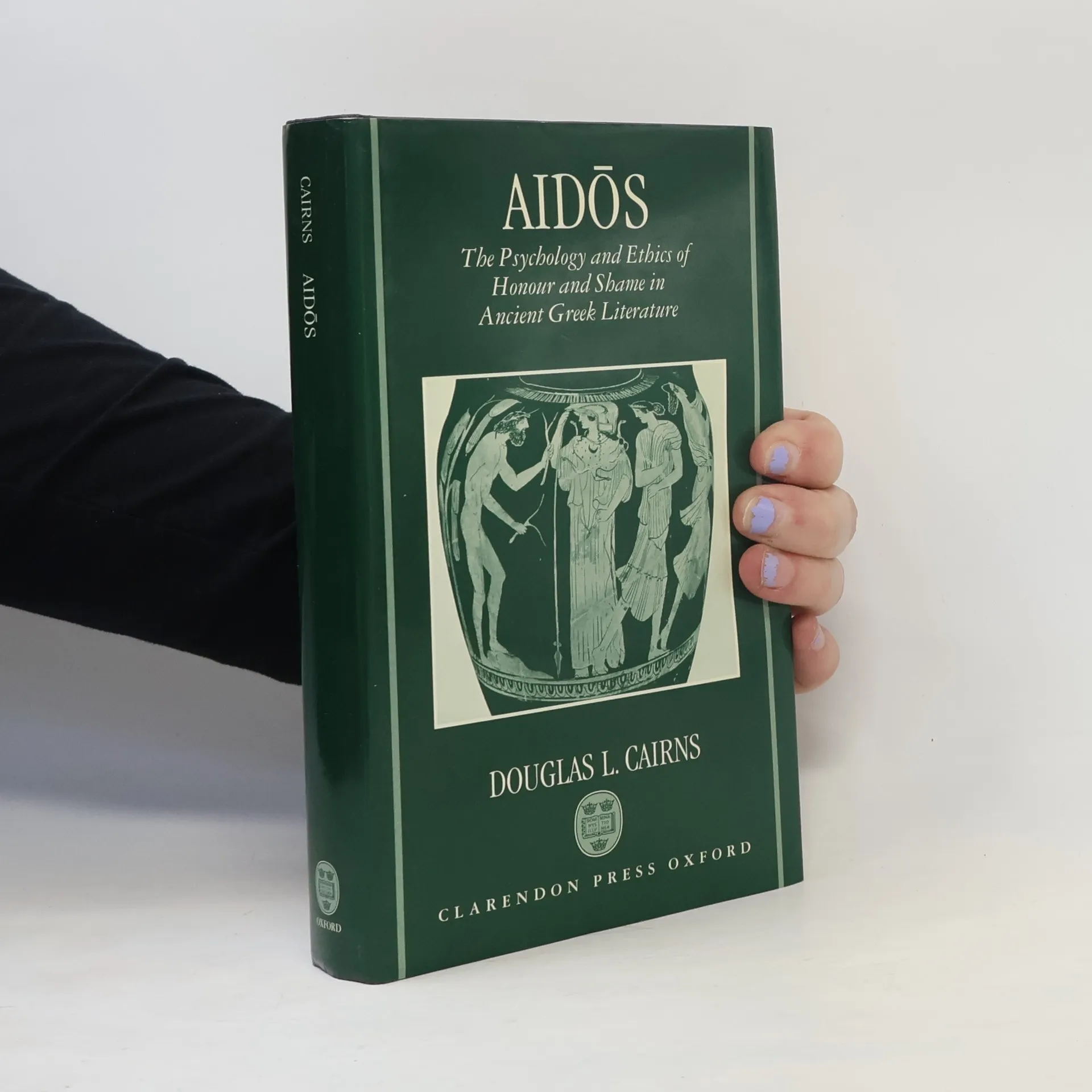


Aidos
The Psychology and Ethics of Honour and Shame in Ancient Greek Literature
Auteurs
En savoir plus sur le livre
This is the first study in English to examine one of the most crucial terms in Greek ethical and social discourse, aidos , within a wide range of Greek literature. Commonly rendered "shame," "modesty," or "respect," aidos is one of the most elusive and difficult Greek words to translate. Dr. Cairns discusses the nature and application of aidos and other relevant terms in a number of authors; with particular emphasis on their manifestations in epic, tragedy, and philosophy. He shows that the essence of the concept is to be found in its relationship with Greek values of honor, in which context it can recognize and respond to the honor of both the self and others. It thus involves both self- and other- regarding behavior, competitive and cooperative values.
Achat du livre
Aidos, Douglas L. Cairns
- Langue

- Année de publication
- 1993
- Reliure
- (rigide)
Modes de paiement
Personne n'a encore évalué .
- Titre
- Aidos
- Sous-titre
- The Psychology and Ethics of Honour and Shame in Ancient Greek Literature
- Langue
- Anglais
- Auteurs
- Douglas L. Cairns
- Éditeur
- Clarendon Press
- Publié
- 1993
- Format
- rigide
- Pages
- 490
- ISBN10
- 0198146841
- ISBN13
- 9780198146841
- Séries
- Catégories
- Mots clés
- Thème historique, Thèmes psychologiques, Éthique
- Description
- This is the first study in English to examine one of the most crucial terms in Greek ethical and social discourse, aidos , within a wide range of Greek literature. Commonly rendered "shame," "modesty," or "respect," aidos is one of the most elusive and difficult Greek words to translate. Dr. Cairns discusses the nature and application of aidos and other relevant terms in a number of authors; with particular emphasis on their manifestations in epic, tragedy, and philosophy. He shows that the essence of the concept is to be found in its relationship with Greek values of honor, in which context it can recognize and respond to the honor of both the self and others. It thus involves both self- and other- regarding behavior, competitive and cooperative values.