

En savoir plus sur le livre
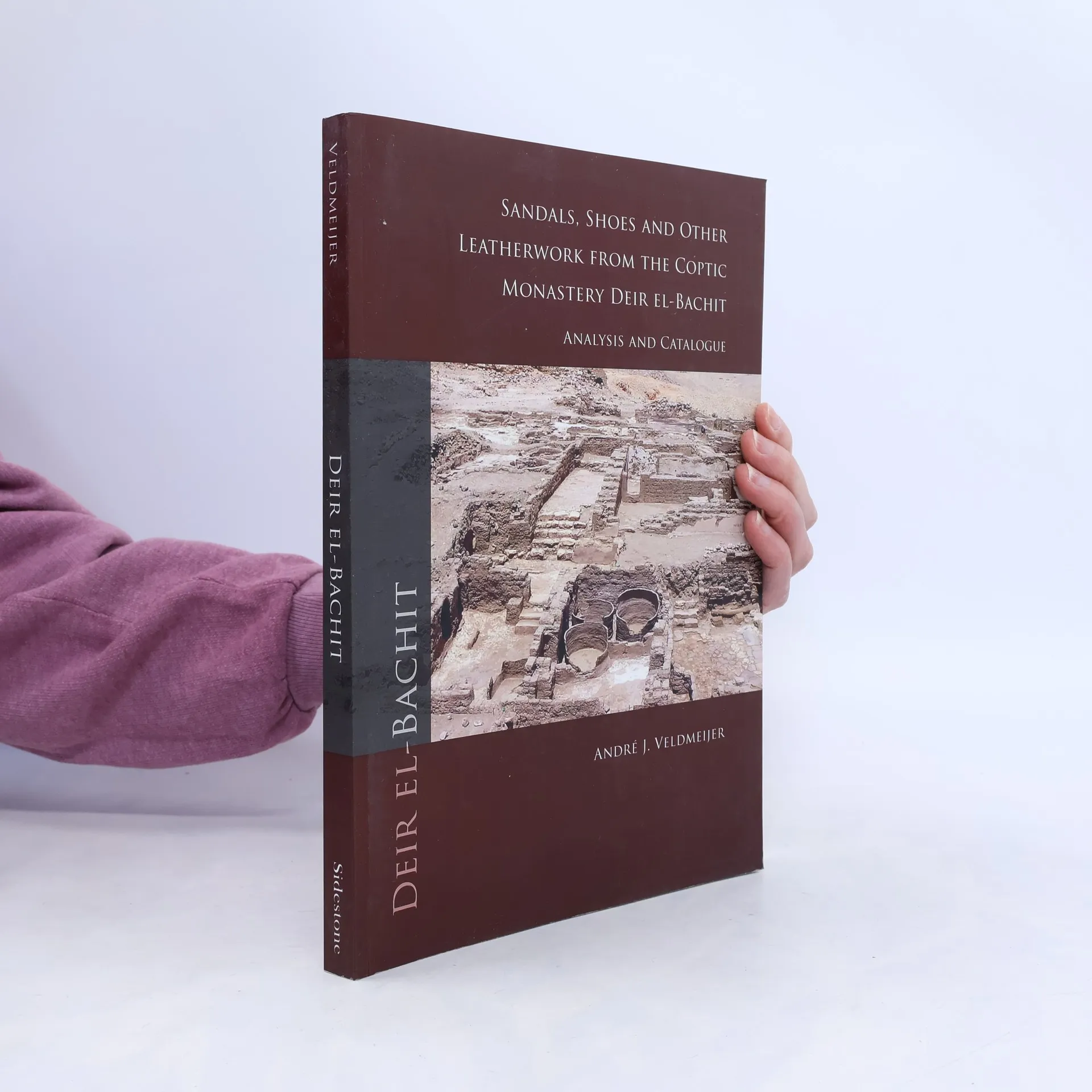
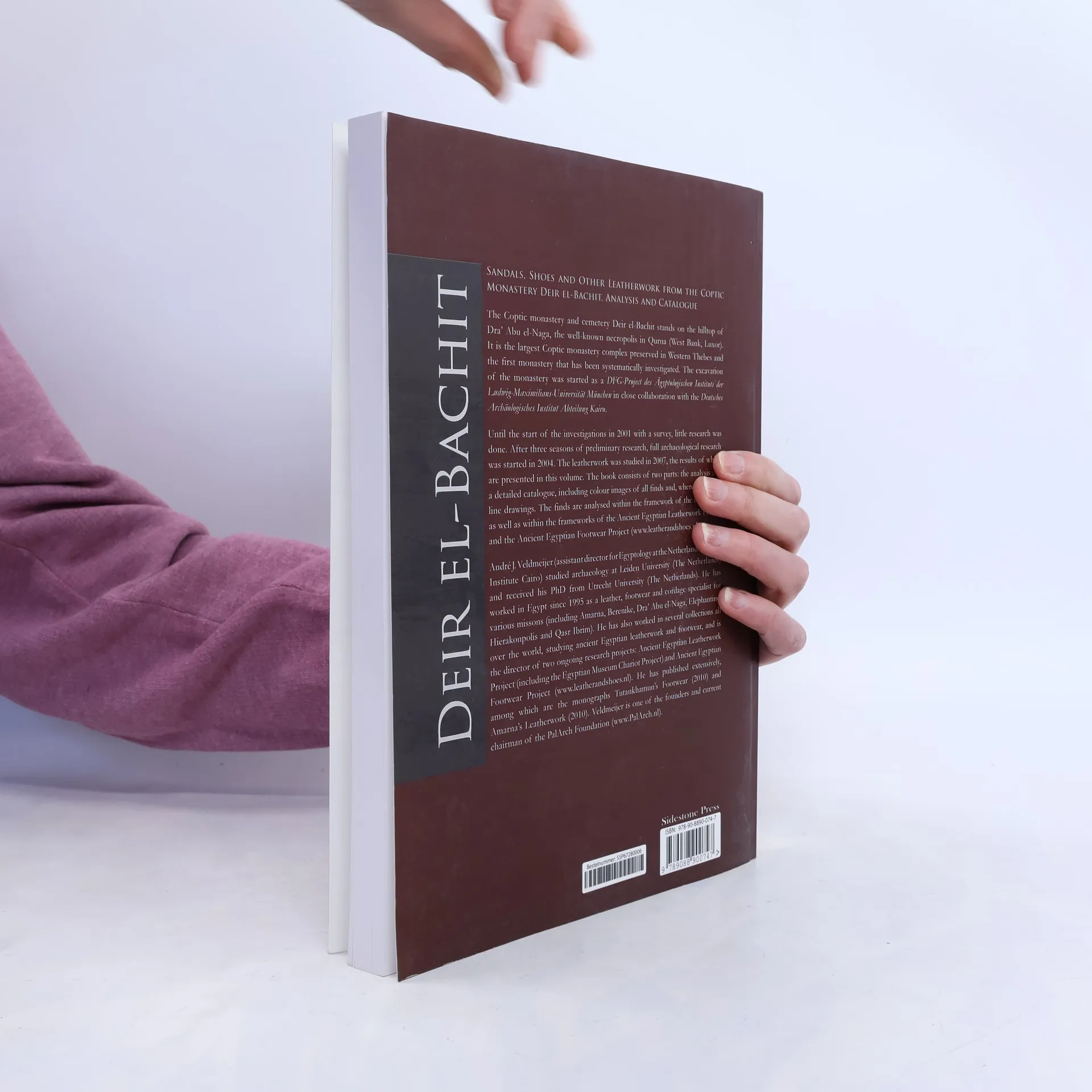
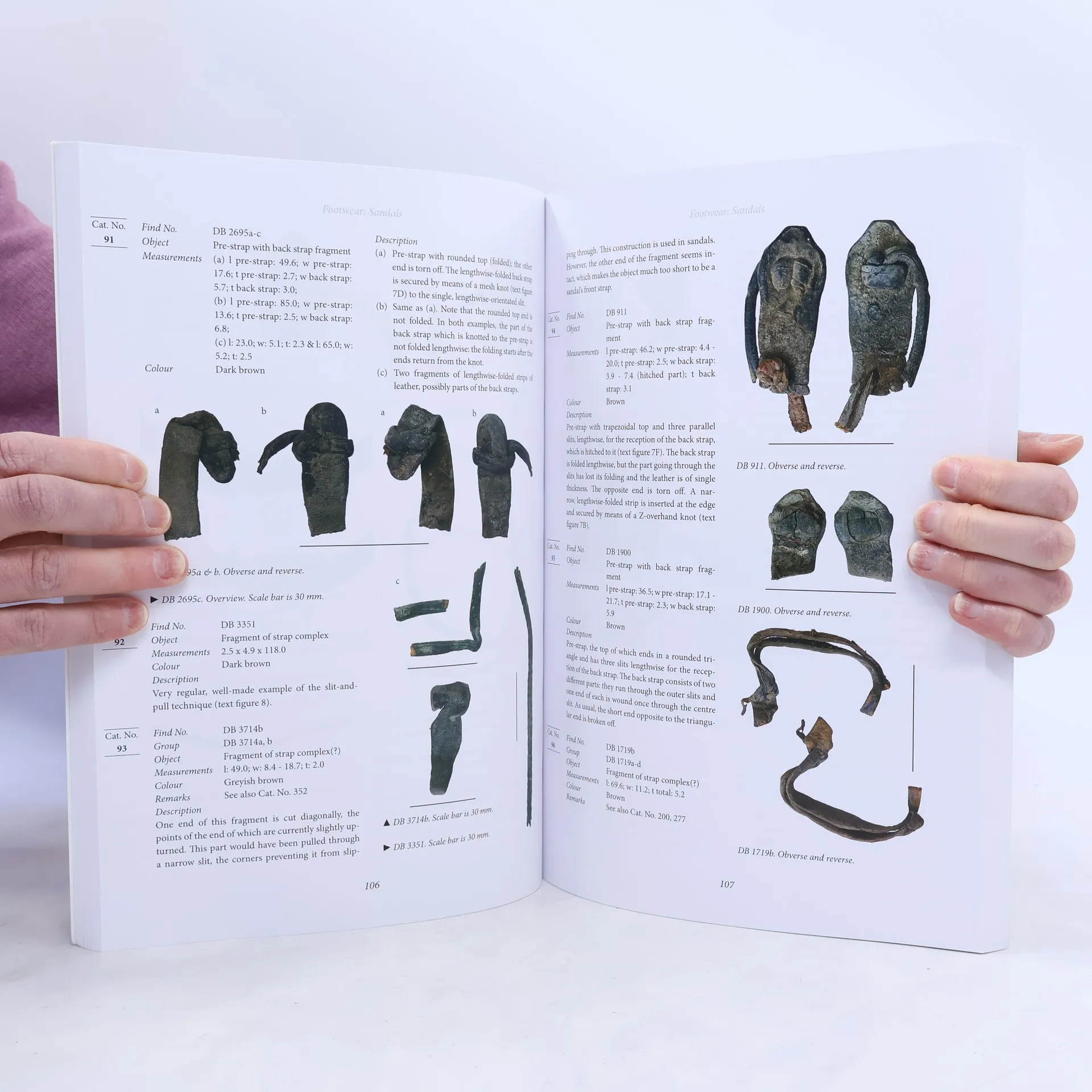
The Coptic monastery and cemetery Deir el-Bachit stands on the hilltop of Dra' Abu el-Naga, the well-known necropolis in Qurna (West Bank, Luxor). It is the largest Coptic monastery complex preserved in Western Thebes and the first monastery that has been systematically investigated. The excavation of the monastery was started as a DFG-Project des Ägyptologischen Instituts der Ludwig-Maximilians-Universität Muenchen in close collaboration with the Deutsches Archäologisches Institut Abteilung Kairo. Until the start of the investigations in 2001 with a survey, little research was done. After three seasons of preliminary research, full archaeological research was started in 2004. The leatherwork was studied in 2007, the present volume of which presents the results. The book consists of two the analysis and a detailed catalogue, including colour images of all finds and, where necessary, line drawings.
Achat du livre
Sandals, Shoes and Other Leatherwork from the Coptic Monastery Deir El-Bachit, André J. Veldmeijer
- Langue

- Année de publication
- 2011
- Reliure
- (souple)
Modes de paiement
Personne n'a encore évalué .
- Titre
- Sandals, Shoes and Other Leatherwork from the Coptic Monastery Deir El-Bachit
- Sous-titre
- Analysis and Catalogue
- Langue
- Anglais
- Auteurs
- André J. Veldmeijer
- Éditeur
- Sidestone Press
- Publié
- 2011
- Format
- souple
- Pages
- 276
- ISBN10
- 9088900744
- ISBN13
- 9789088900747
- Séries
- Mots clés
- Époque antique, Archéologie, Égypte, Égypte ancienne
- Description
- The Coptic monastery and cemetery Deir el-Bachit stands on the hilltop of Dra' Abu el-Naga, the well-known necropolis in Qurna (West Bank, Luxor). It is the largest Coptic monastery complex preserved in Western Thebes and the first monastery that has been systematically investigated. The excavation of the monastery was started as a DFG-Project des Ägyptologischen Instituts der Ludwig-Maximilians-Universität Muenchen in close collaboration with the Deutsches Archäologisches Institut Abteilung Kairo. Until the start of the investigations in 2001 with a survey, little research was done. After three seasons of preliminary research, full archaeological research was started in 2004. The leatherwork was studied in 2007, the present volume of which presents the results. The book consists of two the analysis and a detailed catalogue, including colour images of all finds and, where necessary, line drawings.