

Paramètres
- 689pages
- 25 heures de lecture
En savoir plus sur le livre
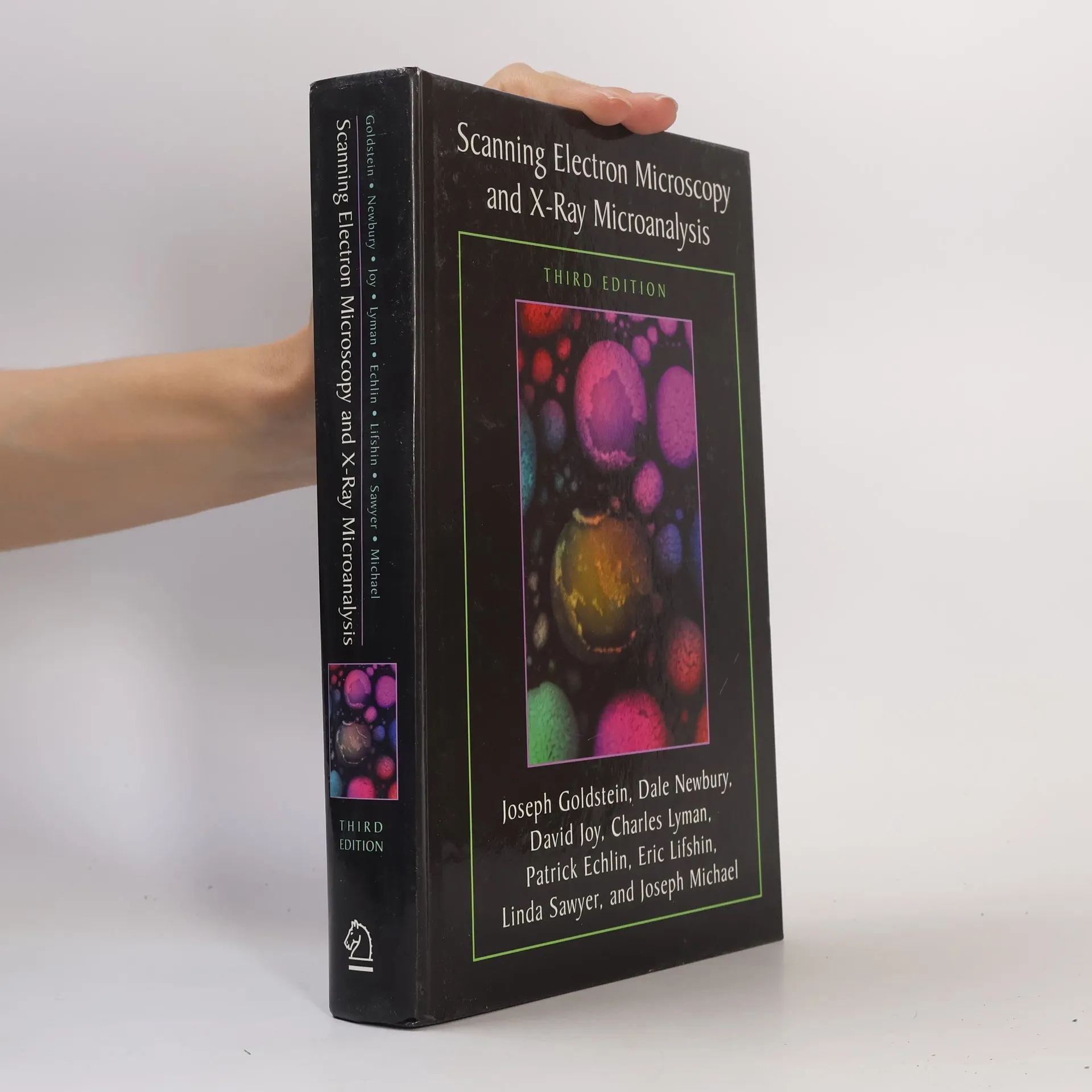
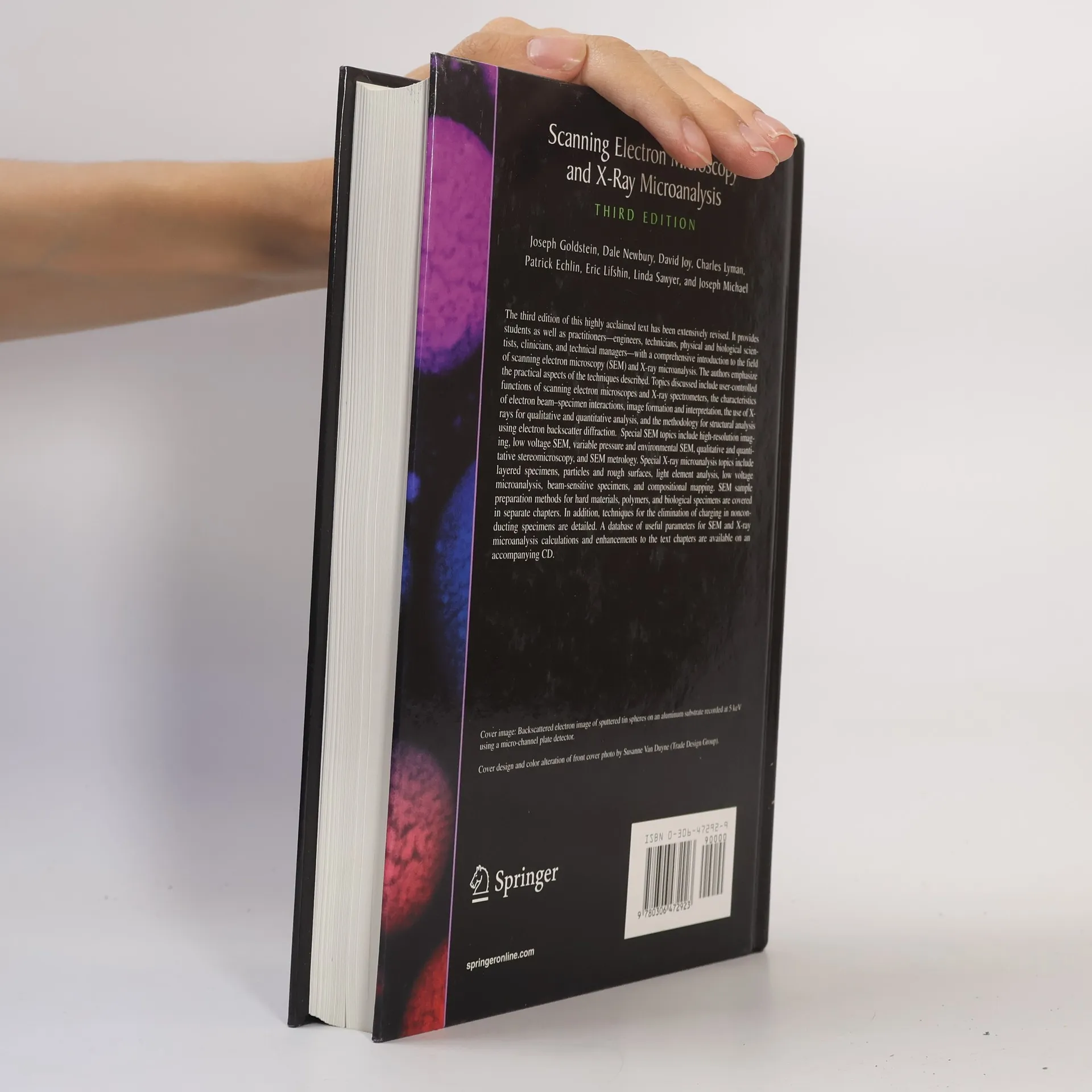
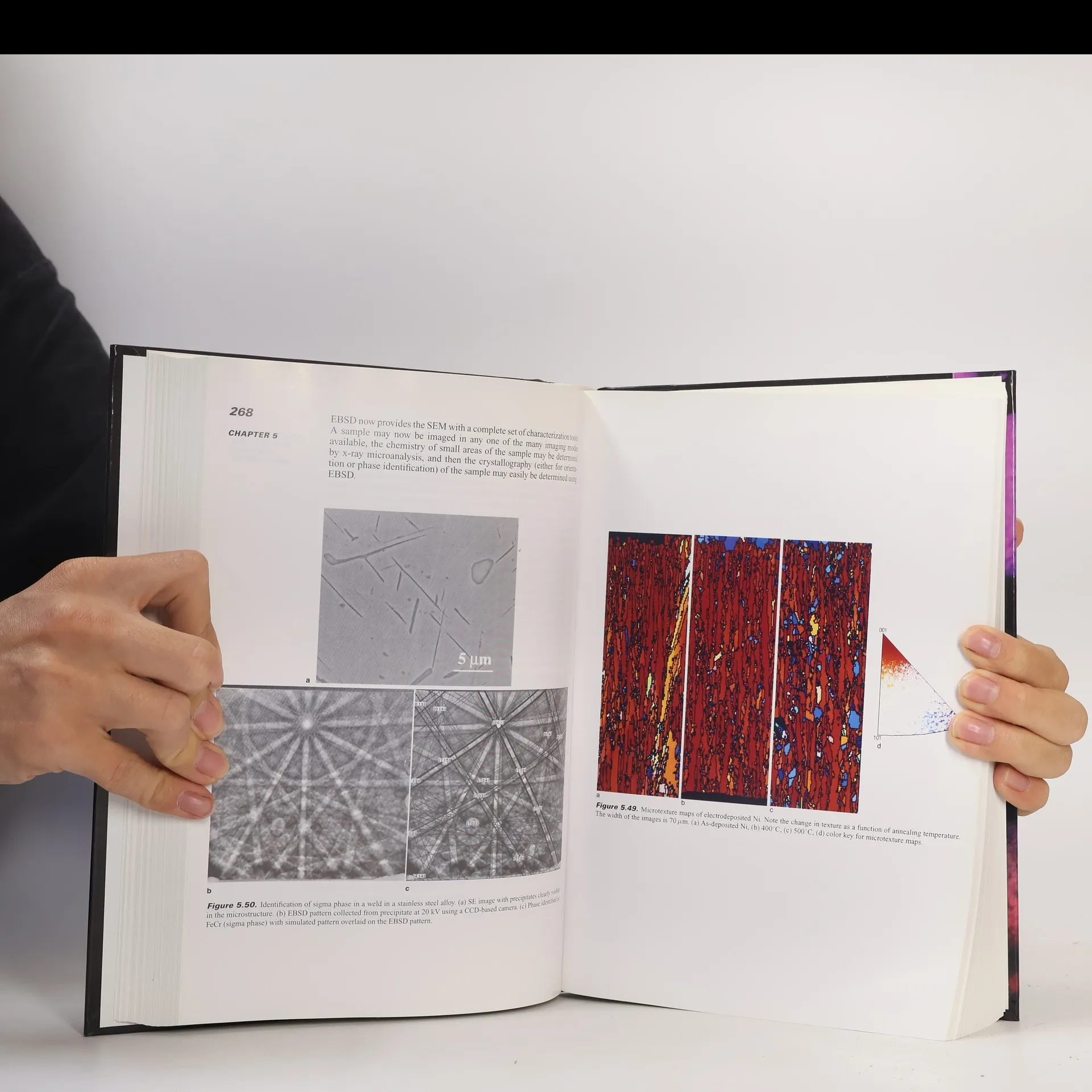
This text provides students as well as practitioners with a comprehensive introduction to the field of scanning electron microscopy (SEM) and X-ray microanalysis. The authors emphasize the practical aspects of the techniques described. Topics discussed include user-controlled functions of scanning electron microscopes and x-ray spectrometers and the use of x-rays for qualitative and quantitative analysis. Separate chapters cover SEM sample preparation methods for hard materials, polymers, and biological specimens. In addition techniques for the elimination of charging in non-conducting specimens are detailed.


Achat du livre
Scanning Electron Microscopy and X-Ray Microanalysis, Joseph I. Goldstein, Dale E. Newbury, David C Joy, Charles E. Lyman, Patrick Echlin, Eric Lifshin, Linda C. Sawyer, J.R. Michael
- Langue

- Année de publication
- 2003
- product-detail.submit-box.info.binding
- (rigide),
- État du livre
- Bon
- Prix
- 10,49 €
Modes de paiement
Personne n'a encore évalué .
- Sous-titre
- Third Edition
- Langue
- Anglais
- Auteurs
- Joseph I. Goldstein, Dale E. Newbury, David C Joy, Charles E. Lyman, Patrick Echlin, Eric Lifshin, Linda C. Sawyer, J.R. Michael
- Éditeur
- Springer
- Publié
- 2003
- Format
- rigide
- Pages
- 689
- ISBN10
- 0306472929
- ISBN13
- 9780306472923
- Séries
- Mots clés
- Nonfiction, Manuels, Technologie & Ingénierie, Santé & Médecine, Science et Mathématiques, Manuels et guides, Autres manuels scolaires, Études de médecine
- Description
- This text provides students as well as practitioners with a comprehensive introduction to the field of scanning electron microscopy (SEM) and X-ray microanalysis. The authors emphasize the practical aspects of the techniques described. Topics discussed include user-controlled functions of scanning electron microscopes and x-ray spectrometers and the use of x-rays for qualitative and quantitative analysis. Separate chapters cover SEM sample preparation methods for hard materials, polymers, and biological specimens. In addition techniques for the elimination of charging in non-conducting specimens are detailed.