

Paramètres
- 356pages
- 13 heures de lecture
En savoir plus sur le livre
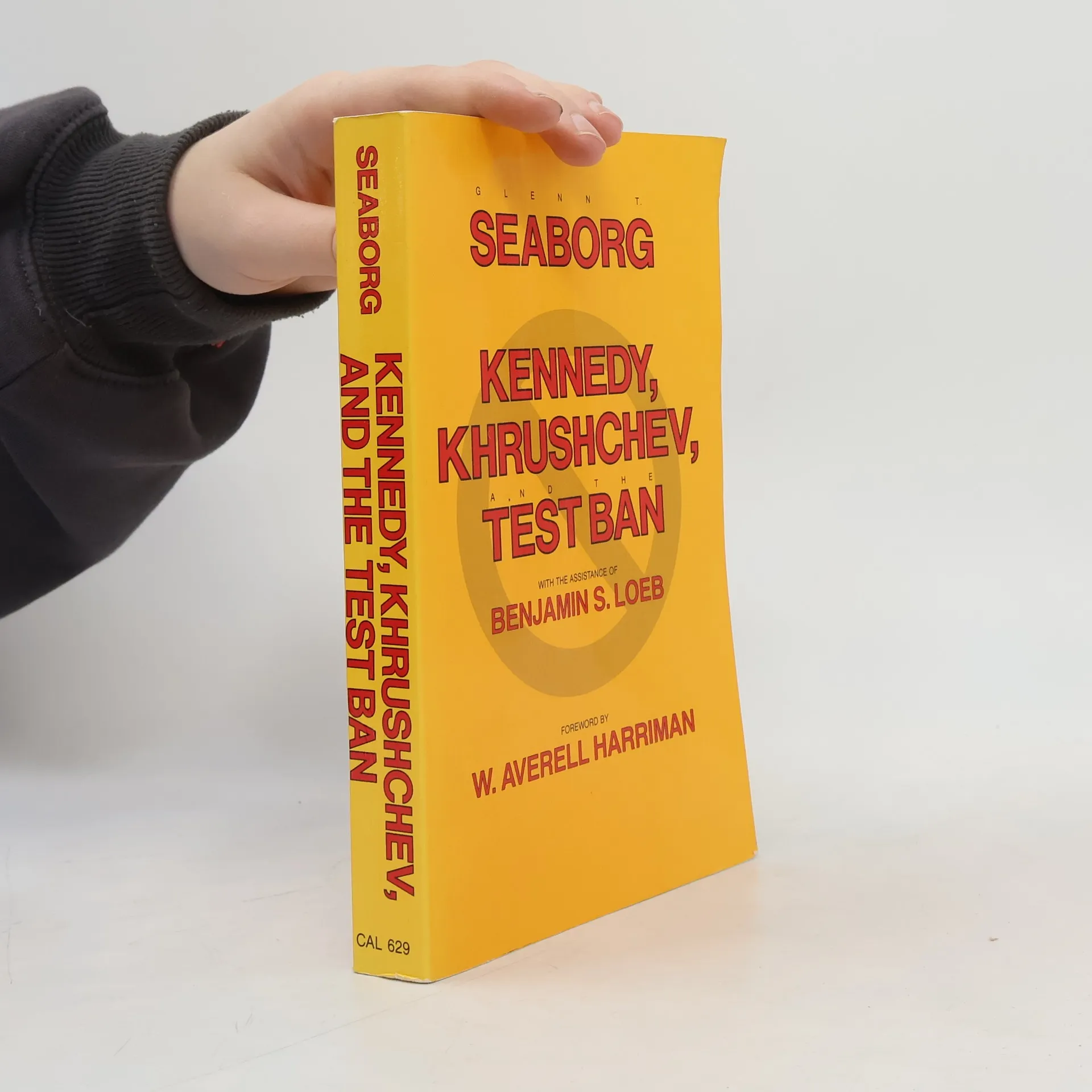
This significant work, emerging from a university press, features insights from Seaberg, a Nobel Prize laureate and former chairman of the Atomic Energy Commission during the treaty negotiations. After a suitable interval, he has revealed his detailed diary from that period, complemented by interviews with other key participants. This account delves into the events leading to the treaty and the negotiations that ultimately succeeded. Seaberg's personal journal forms the basis of the narrative, emphasizing Kennedy's pursuit of a comprehensive test ban and exploring why this goal, despite near successes, remained elusive. The book transcends memoir, incorporating documents and perspectives from other influential figures, while also shedding light on Kennedy's administration and the broader nuclear test ban debate. Seaberg offers a balanced evaluation of the limited treaty achieved under Kennedy. The narrative provides a thorough and engaging history of what now appears to be a more innocent era of nuclear arms control. As an insider, Seaberg's firsthand account is enriched by his close relationships with other Kennedy confidants. Notably, the book reveals insights into Kennedy's thoughts and actions, as well as an intriguing perspective on Khrushchev's personality, suggesting a view that dealing with the Russians was indeed possible, a notion that has since become less popular.
Achat du livre
Kennedy, Khrushchev and the Test Ban, Glenn T. Seaborg, Benjamin S. Loeb, W. Averell William Averell Harriman
- Langue

- Année de publication
- 1983
- Reliure
- (souple)
Modes de paiement
Il manque plus que ton avis ici.
- Titre
- Kennedy, Khrushchev and the Test Ban
- Langue
- Anglais
- Publié
- 1983
- Format
- souple
- Pages
- 356
- ISBN10
- 0520049616
- ISBN13
- 9780520049611
- Séries
- Mots clés
- Guerre Froide, Armes nucléaires
- Évaluation
- 4,2 sur 5
- Description
- This significant work, emerging from a university press, features insights from Seaberg, a Nobel Prize laureate and former chairman of the Atomic Energy Commission during the treaty negotiations. After a suitable interval, he has revealed his detailed diary from that period, complemented by interviews with other key participants. This account delves into the events leading to the treaty and the negotiations that ultimately succeeded. Seaberg's personal journal forms the basis of the narrative, emphasizing Kennedy's pursuit of a comprehensive test ban and exploring why this goal, despite near successes, remained elusive. The book transcends memoir, incorporating documents and perspectives from other influential figures, while also shedding light on Kennedy's administration and the broader nuclear test ban debate. Seaberg offers a balanced evaluation of the limited treaty achieved under Kennedy. The narrative provides a thorough and engaging history of what now appears to be a more innocent era of nuclear arms control. As an insider, Seaberg's firsthand account is enriched by his close relationships with other Kennedy confidants. Notably, the book reveals insights into Kennedy's thoughts and actions, as well as an intriguing perspective on Khrushchev's personality, suggesting a view that dealing with the Russians was indeed possible, a notion that has since become less popular.