

En savoir plus sur le livre
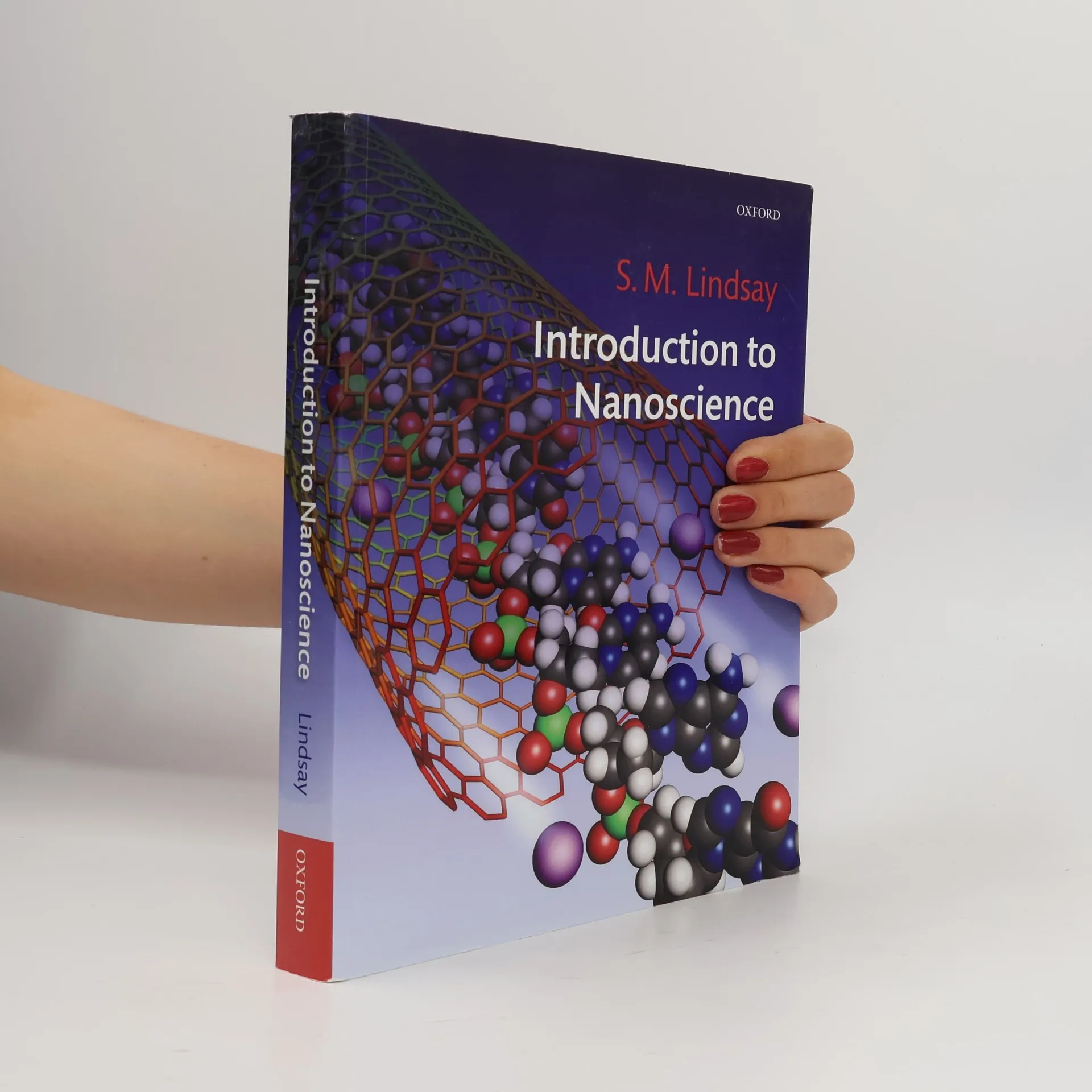
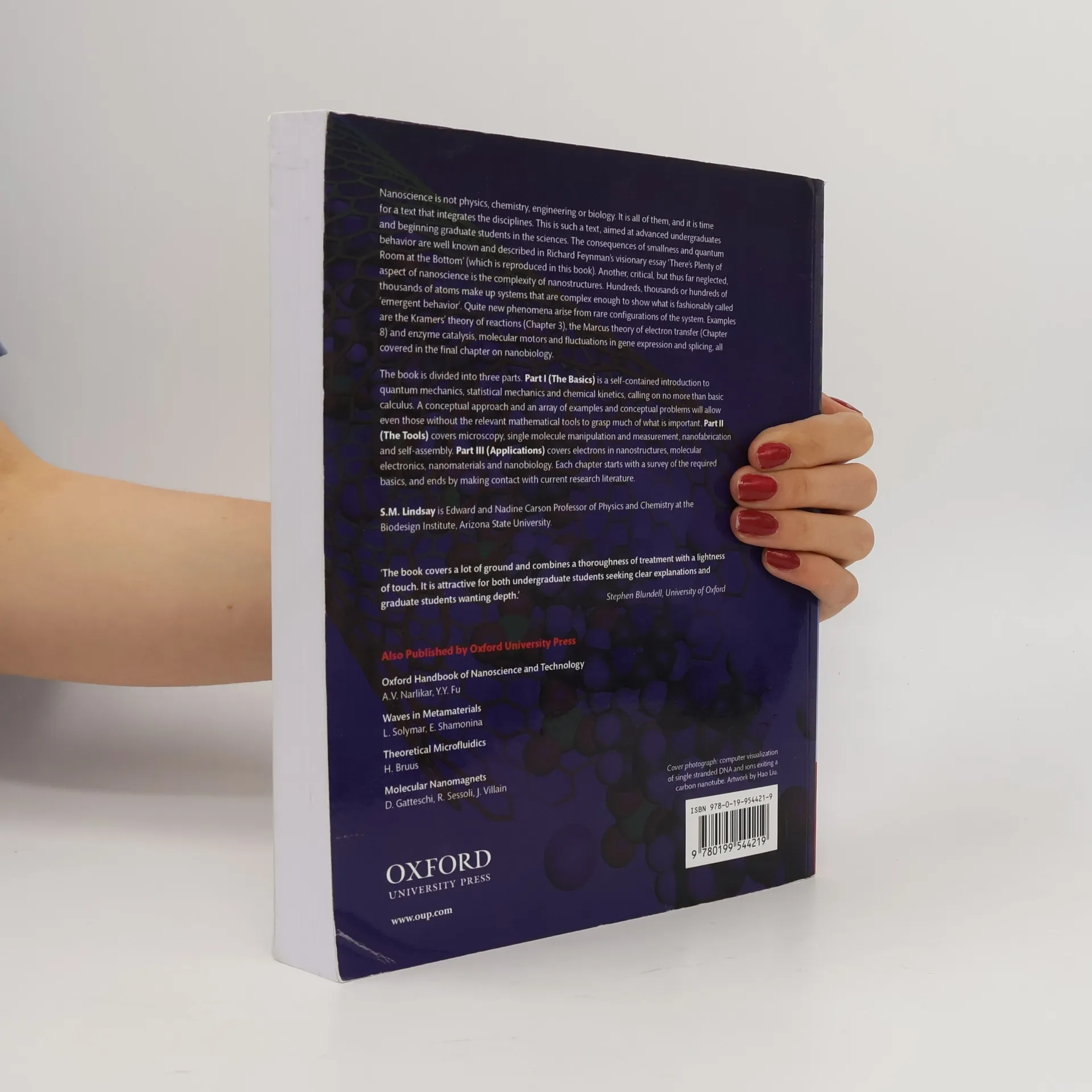
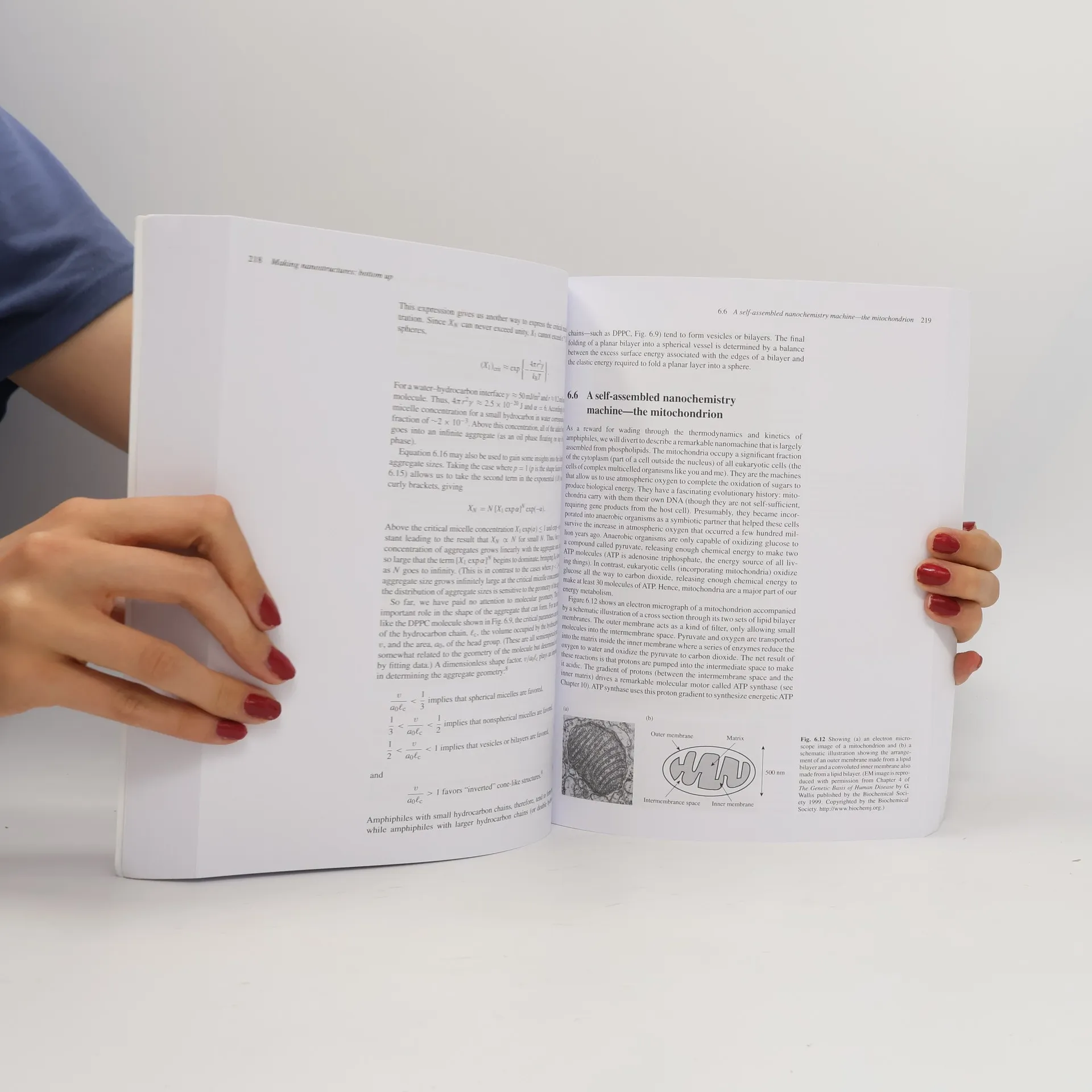
Nanoscience integrates physics, chemistry, engineering, and biology, making this comprehensive text an ideal resource for advanced undergraduates and beginning graduate students across these disciplines. It is structured in three parts. Part I (The Basics) provides a self-contained introduction to quantum mechanics, statistical mechanics, and chemical kinetics, requiring only a basic calculus background. The author's conceptual approach, along with numerous examples and exercises, helps students with limited mathematical skills understand essential material. Part II (Tools) explores microscopy, single molecule manipulation, nanofabrication, and self-assembly techniques. Part III (Applications) discusses electrons in nanostructures, molecular electronics, nanomaterials, and nanobiology. Each chapter begins with a review of necessary basics and concludes with connections to current research literature. Notably, the text addresses the often-overlooked topic of complexity in nanosystems, examining emergent phenomena from chemistry to biology, including Kramer's theory of reactions, the Marcus theory of electron transfer, and enzyme catalysis. Additionally, it features Richard Feynman's essay, "There's Plenty of Room at the Bottom," which highlights the implications of smallness and quantum behavior.
Achat du livre
Introduction to Nanoscience, Stuart M. Lindsay
- Langue

- Année de publication
- 2009
- Reliure
- (souple)
Modes de paiement
Il manque plus que ton avis ici.
- Titre
- Introduction to Nanoscience
- Langue
- Anglais
- Auteurs
- Stuart M. Lindsay
- Éditeur
- Oxford University Press
- Publié
- 2009
- Format
- souple
- Pages
- 457
- ISBN10
- 0199544212
- ISBN13
- 9780199544219
- Séries
- Catégories
- Mots clés
- Sciences naturelles
- Évaluation
- 4,15 sur 5
- Description
- Nanoscience integrates physics, chemistry, engineering, and biology, making this comprehensive text an ideal resource for advanced undergraduates and beginning graduate students across these disciplines. It is structured in three parts. Part I (The Basics) provides a self-contained introduction to quantum mechanics, statistical mechanics, and chemical kinetics, requiring only a basic calculus background. The author's conceptual approach, along with numerous examples and exercises, helps students with limited mathematical skills understand essential material. Part II (Tools) explores microscopy, single molecule manipulation, nanofabrication, and self-assembly techniques. Part III (Applications) discusses electrons in nanostructures, molecular electronics, nanomaterials, and nanobiology. Each chapter begins with a review of necessary basics and concludes with connections to current research literature. Notably, the text addresses the often-overlooked topic of complexity in nanosystems, examining emergent phenomena from chemistry to biology, including Kramer's theory of reactions, the Marcus theory of electron transfer, and enzyme catalysis. Additionally, it features Richard Feynman's essay, "There's Plenty of Room at the Bottom," which highlights the implications of smallness and quantum behavior.