



En savoir plus sur le livre
Do women do science differently? This provocative book explores this question, examining the history of women in science and the impact of gender on scientific knowledge. It assesses women's experiences in the profession and their contributions to various fields. The author investigates the number of women scientists, their chosen disciplines, and the gendered culture within science. She challenges the stereotype that women scientists are inherently more holistic and collaborative, while also highlighting the significant challenges they face, such as balancing careers with domestic responsibilities. The book delves into whether feminist perspectives have positively influenced scientific content, offering a nuanced gender analysis across disciplines like physical sciences, medicine, archaeology, and biology. It reveals how feminist scientists have introduced new theories, posed innovative questions, and expanded fields of study, ultimately contributing to a richer understanding of science.
Achat du livre
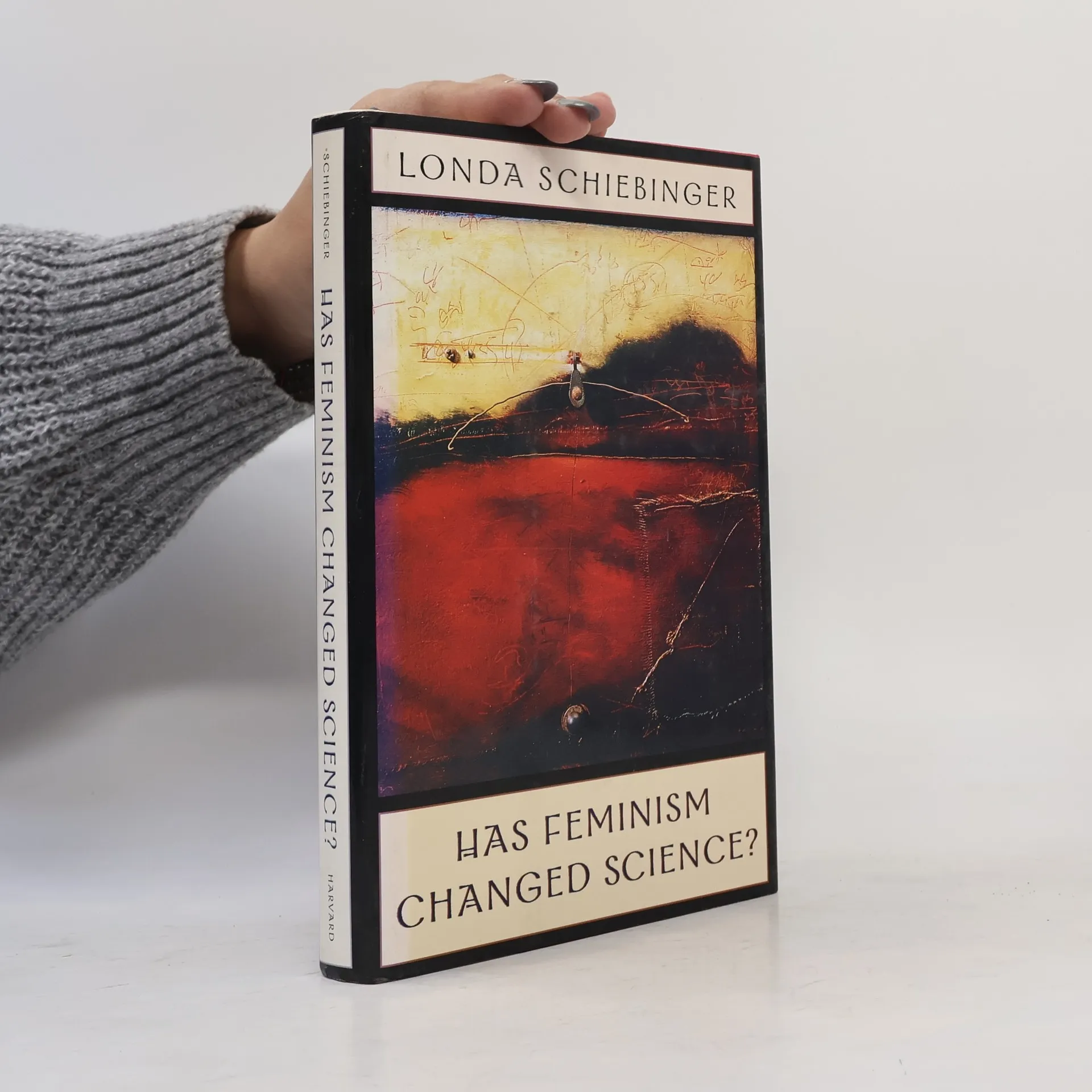
Has Feminism Changed Science?, Londa Schiebinger
- Langue

- Année de publication
- 1999
- Reliure
- (rigide)
Modes de paiement
Il manque plus que ton avis ici.
- Titre
- Has Feminism Changed Science?
- Langue
- Anglais
- Auteurs
- Londa Schiebinger
- Éditeur
- Harvard University Press
- Publié
- 1999
- Format
- rigide
- Pages
- 276
- ISBN10
- 0674381130
- ISBN13
- 9780674381131
- Séries
- Catégories
- Évaluation
- 4 sur 5
- Description
- Do women do science differently? This provocative book explores this question, examining the history of women in science and the impact of gender on scientific knowledge. It assesses women's experiences in the profession and their contributions to various fields. The author investigates the number of women scientists, their chosen disciplines, and the gendered culture within science. She challenges the stereotype that women scientists are inherently more holistic and collaborative, while also highlighting the significant challenges they face, such as balancing careers with domestic responsibilities. The book delves into whether feminist perspectives have positively influenced scientific content, offering a nuanced gender analysis across disciplines like physical sciences, medicine, archaeology, and biology. It reveals how feminist scientists have introduced new theories, posed innovative questions, and expanded fields of study, ultimately contributing to a richer understanding of science.