


Évaluation du livre
Paramètres
- 473pages
- 17 heures de lecture
En savoir plus sur le livre
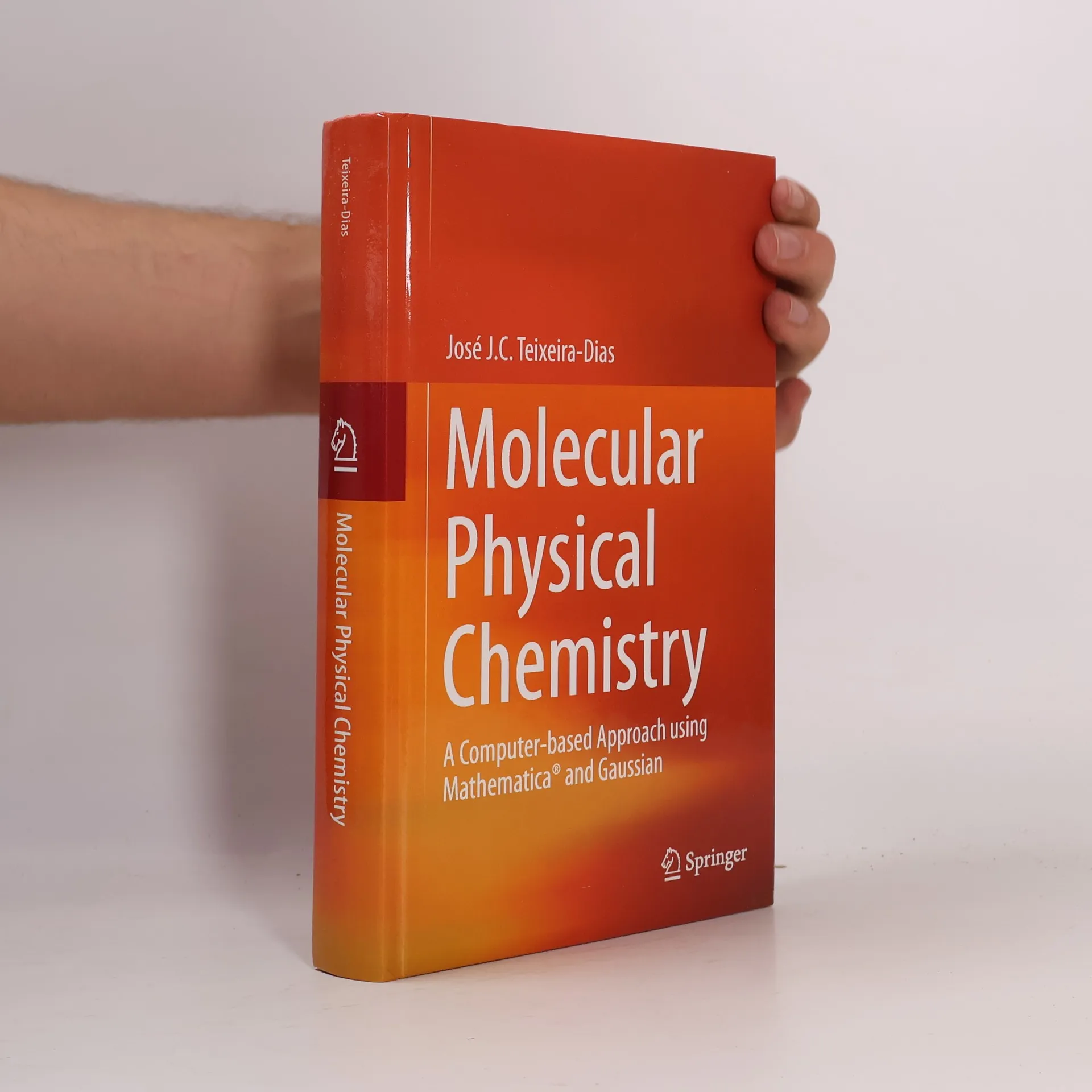
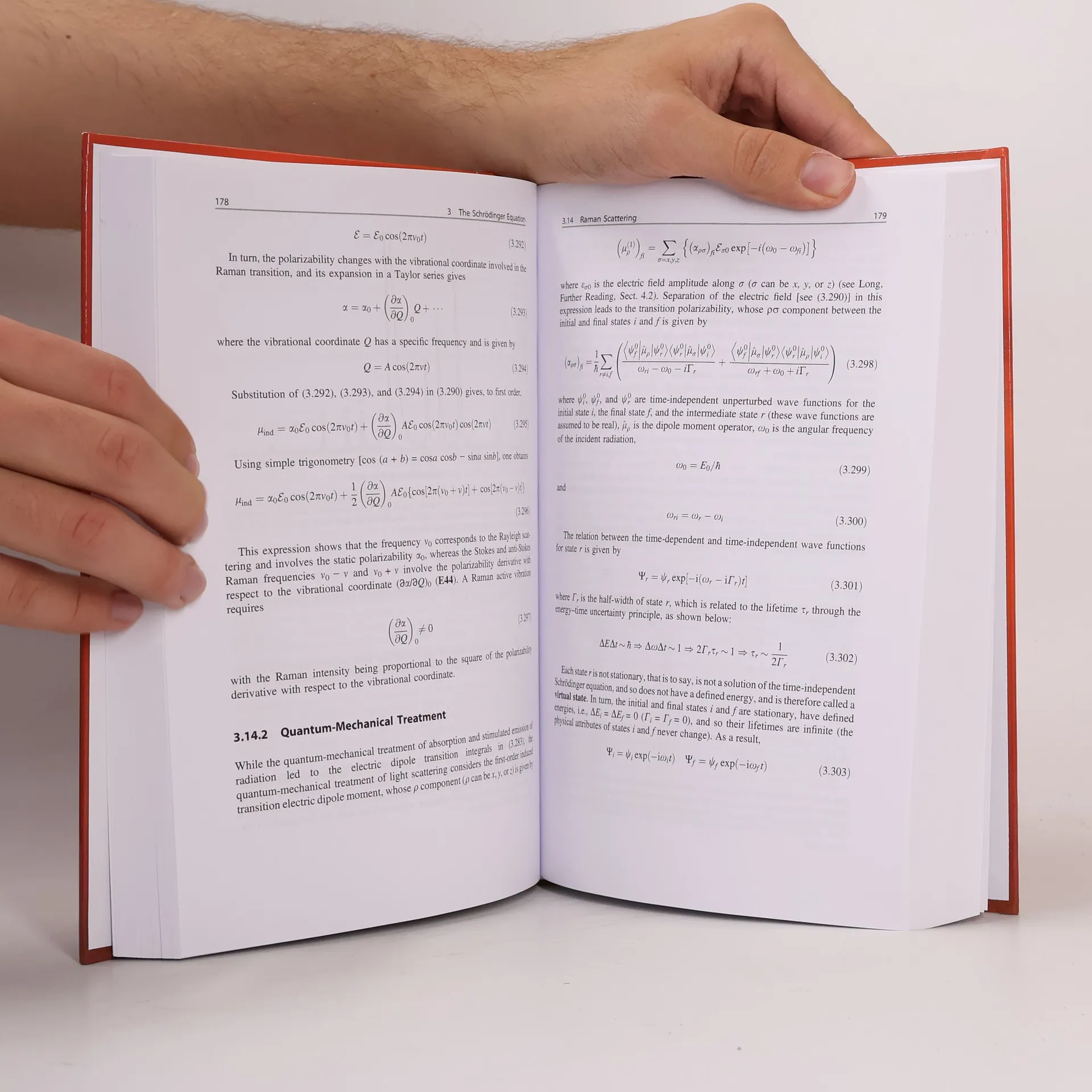
This textbook is designed for students with a passion for computers, providing essential and advanced knowledge for second-year chemistry master's students and beyond. It covers thermodynamics, chemical kinetics, quantum mechanics, molecular structure, molecular symmetry, and crystals across seven chapters. A unique chapter focuses on water, examining the water molecule and its behavior in condensed phases. The book adopts an example-based approach rather than a traditional top-down method, utilizing computer programs like Mathematica(R) and discussing results from molecular orbital calculations with Gaussian on small molecules. Selected Mathematica(R) codes are explained at the end of each chapter, allowing students to plot functions, solve equations, and manipulate data, fostering an active learning environment. Clear, step-by-step explanations and comprehensive answers to exercises prepare students for future research projects. Those unfamiliar with Mathematica(R) or Gaussian will find valuable introductions to computer-based problem solving in molecular sciences, with alternative applications also applicable. Each chapter begins with clearly listed learning goals for easy navigation, and a glossary at the end provides quick access to important terms.
Achat du livre
Molecular Physical Chemistry, José J.C. Teixeira-Dias
- Langue

- Année de publication
- 2017
- Reliure
- (rigide)
Modes de paiement
Il manque plus que ton avis ici.
- Titre
- Molecular Physical Chemistry
- Sous-titre
- A Computer-Based Approach Using Mathematica® and Gaussian
- Langue
- Anglais
- Auteurs
- José J.C. Teixeira-Dias
- Éditeur
- Springer
- Publié
- 2017
- Format
- rigide
- Pages
- 473
- ISBN10
- 331941092X
- ISBN13
- 9783319410920
- Séries
- Mots clés
- Sciences naturelles, Science, Technologie, Manuels de physique, Manuels de chimie, Ingénierie, Mécanique, Mécanique quantique, Chimie physique, Thermodynamique, Physique nucléaire
- Évaluation
- 4 sur 5
- Description
- This textbook is designed for students with a passion for computers, providing essential and advanced knowledge for second-year chemistry master's students and beyond. It covers thermodynamics, chemical kinetics, quantum mechanics, molecular structure, molecular symmetry, and crystals across seven chapters. A unique chapter focuses on water, examining the water molecule and its behavior in condensed phases. The book adopts an example-based approach rather than a traditional top-down method, utilizing computer programs like Mathematica(R) and discussing results from molecular orbital calculations with Gaussian on small molecules. Selected Mathematica(R) codes are explained at the end of each chapter, allowing students to plot functions, solve equations, and manipulate data, fostering an active learning environment. Clear, step-by-step explanations and comprehensive answers to exercises prepare students for future research projects. Those unfamiliar with Mathematica(R) or Gaussian will find valuable introductions to computer-based problem solving in molecular sciences, with alternative applications also applicable. Each chapter begins with clearly listed learning goals for easy navigation, and a glossary at the end provides quick access to important terms.