

En savoir plus sur le livre
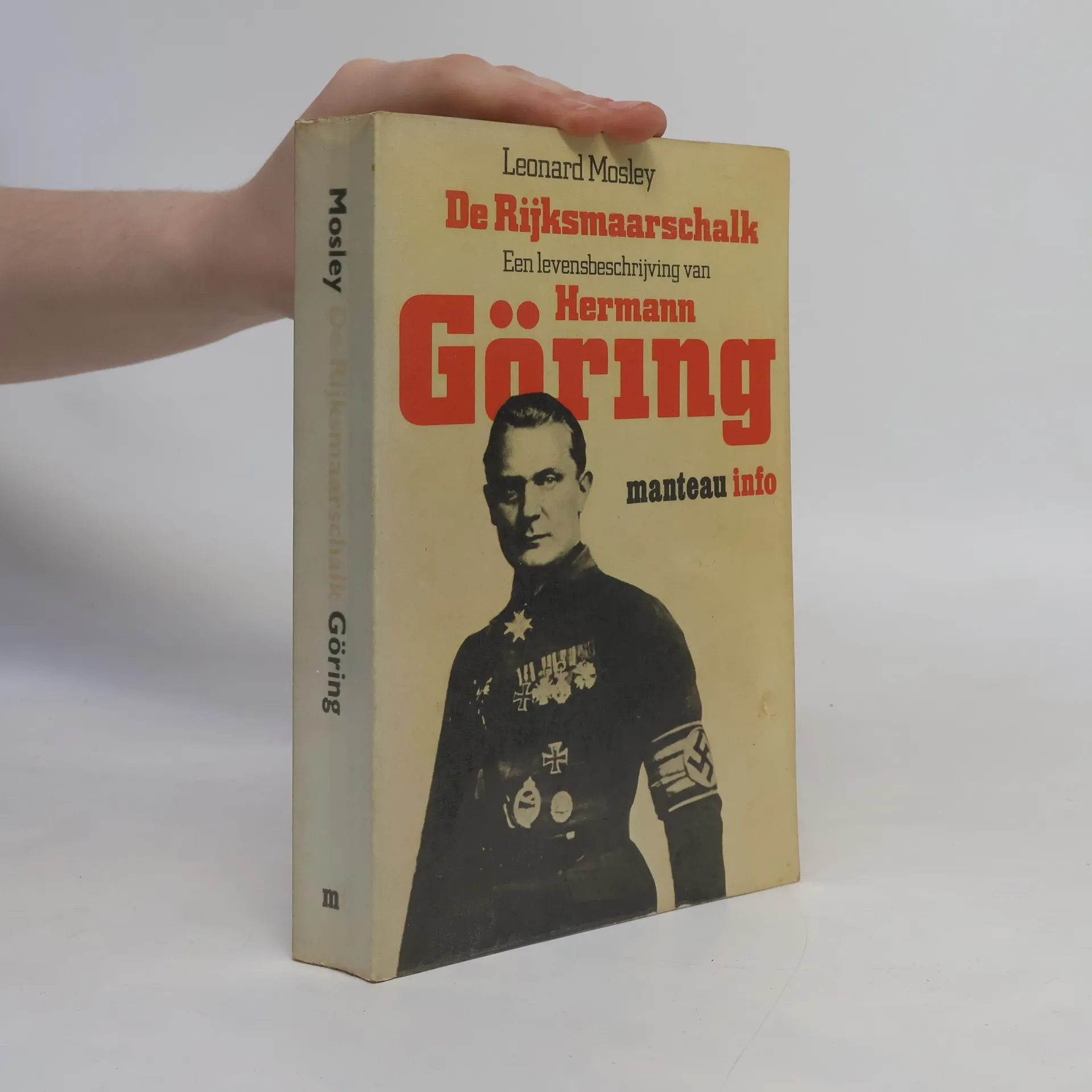
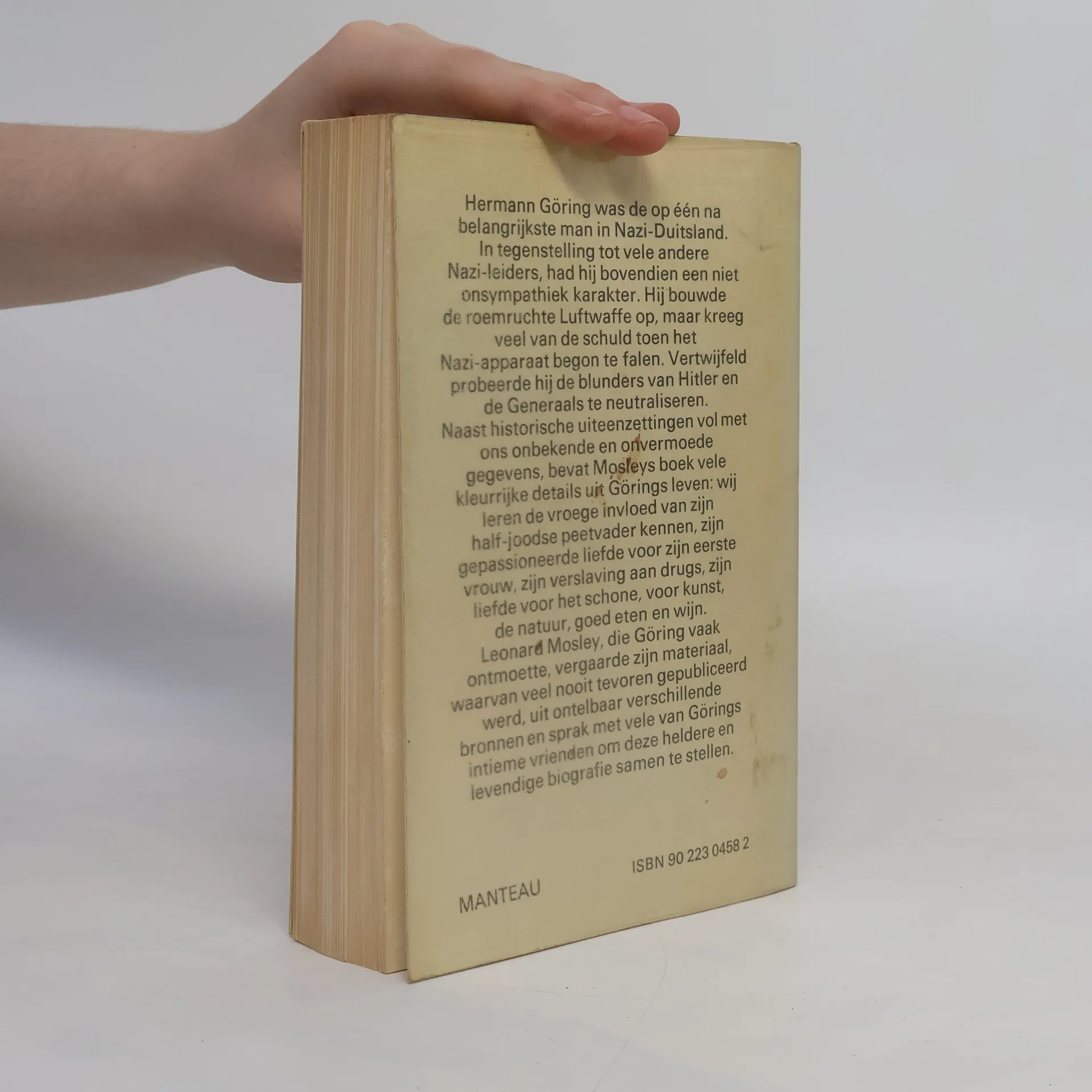
Hermann Goering, a prominent figure in Hitler's Third Reich, is portrayed in a compelling biography by journalist and biographer Mosley. This work is not a scholarly analysis like those of other Nazi figures, but rather a readable and entertaining account that captures Goering's larger-than-life persona. Mosley balances sympathy and judgment, providing an honest depiction of Goering as an intriguing and tragic character. His unique advantage lies in having met Goering before the war and conducting extensive interviews with those who knew him well, setting his biography apart from others. While Mosley concludes that Goering's greatest flaw was his lack of moral courage to oppose Hitler, he illustrates that Goering was deeply influenced by the Führer's charisma and could not defy him. Ultimately, Goering's dependence on Hitler rendered him incapable of rebellion. When faced with Hitler's rejection, Goering was left to accept his fate. Those who criticize Goering for not standing up to his idol may not fully grasp the complexities of such loyalty. This biography is a valuable resource for serious students of Third Reich history.
Langue

Achat du livre
De Rijksmaarschalk, Leonard Mosley, Luc van Grinsven
- Langue

- Année de publication
- 1974
- Reliure
- (souple),
- État du livre
- Bon
- Prix
- 1,59 €
Modes de paiement
Il manque plus que ton avis ici.
- Titre
- De Rijksmaarschalk
- Sous-titre
- Een levensbeschrijving van Hermann Göring
- Langue
- Néerlandais
- Auteurs
- Leonard Mosley, Luc van Grinsven
- Éditeur
- Uitgeverij Manteau
- Publié
- 1974
- Format
- souple
- Pages
- 440
- ISBN10
- 9022304582
- ISBN13
- 9789022304587
- Séries
- Catégories
- Mots clés
- Thème historique, Allemagne, Guerres, Seconde Guerre mondiale
- Évaluation
- 4,25 sur 5
- Description
- Hermann Goering, a prominent figure in Hitler's Third Reich, is portrayed in a compelling biography by journalist and biographer Mosley. This work is not a scholarly analysis like those of other Nazi figures, but rather a readable and entertaining account that captures Goering's larger-than-life persona. Mosley balances sympathy and judgment, providing an honest depiction of Goering as an intriguing and tragic character. His unique advantage lies in having met Goering before the war and conducting extensive interviews with those who knew him well, setting his biography apart from others. While Mosley concludes that Goering's greatest flaw was his lack of moral courage to oppose Hitler, he illustrates that Goering was deeply influenced by the Führer's charisma and could not defy him. Ultimately, Goering's dependence on Hitler rendered him incapable of rebellion. When faced with Hitler's rejection, Goering was left to accept his fate. Those who criticize Goering for not standing up to his idol may not fully grasp the complexities of such loyalty. This biography is a valuable resource for serious students of Third Reich history.