

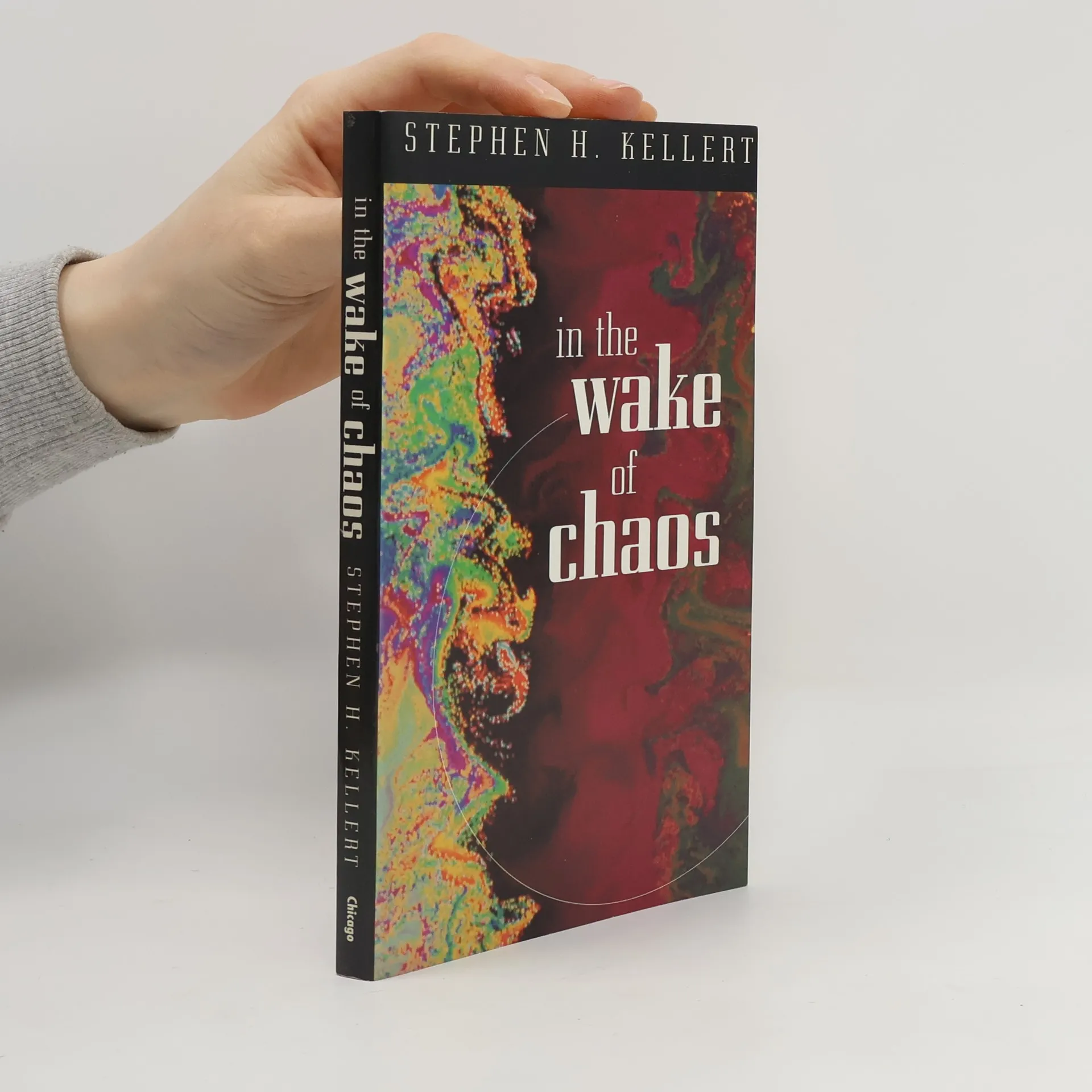


Science and Its Conceptual Foundations: In the Wake of Chaos
Unpredictable Order in Dynamical Systems
Auteurs
Évaluation du livre
Paramètres
- 190pages
- 7 heures de lecture
En savoir plus sur le livre
Chaos theory has captured scientific and popular attention. What began as the discovery of randomness in simple physical systems has become a widespread fascination with "chaotic" models of everything from business cycles to brainwaves to heart attacks. But what exactly does this explosion of new research into chaotic phenomena mean for our understanding of the world? In this timely book, Stephen Kellert takes the first sustained look at the broad intellectual and philosophical questions raised by recent advances in chaos theory—its implications for science as a source of knowledge and for the very meaning of that knowledge itself.
Achat du livre
Science and Its Conceptual Foundations: In the Wake of Chaos, Stephen H. Kellert
- Langue

- Année de publication
- 1994
- Reliure
- (souple)
Modes de paiement
Il manque plus que ton avis ici.
- Titre
- Science and Its Conceptual Foundations: In the Wake of Chaos
- Sous-titre
- Unpredictable Order in Dynamical Systems
- Langue
- Anglais
- Auteurs
- Stephen H. Kellert
- Publié
- 1994
- Format
- souple
- Pages
- 190
- ISBN10
- 0226429768
- ISBN13
- 9780226429762
- Séries
- Catégories
- Mots clés
- Commerce, Thématique philosophique, Science, Médecine, Théories scientifiques, Université, Connaissances et savoir, Comportement, éthologie, Compréhension, Mannequins, Cybernétique, Infarctus, Déterminisme, Hégémonie, Théorie du chaos
- Évaluation
- 4,35 sur 5
- Description
- Chaos theory has captured scientific and popular attention. What began as the discovery of randomness in simple physical systems has become a widespread fascination with "chaotic" models of everything from business cycles to brainwaves to heart attacks. But what exactly does this explosion of new research into chaotic phenomena mean for our understanding of the world? In this timely book, Stephen Kellert takes the first sustained look at the broad intellectual and philosophical questions raised by recent advances in chaos theory—its implications for science as a source of knowledge and for the very meaning of that knowledge itself.