

Épuisé, mais très demandé!
Évaluation du livre
Paramètres
- 336pages
- 12 heures de lecture
En savoir plus sur le livre
Examining Chan/Zen from a postmodern perspective, Bernard Faure critiques traditional Orientalist views that either caricature or idealize Eastern thought, revealing overlooked complexities in Chan traditions. He explores how both Western and Eastern assumptions, including those of D. T. Suzuki, have distorted the understanding of Chan. The book discusses the historical influence of Jesuit missionaries, the interplay between Chan and local religions, and key concepts like temporality and self. It serves as a critical introduction to both Buddhist traditions and contemporary human sciences.
Achat du livre
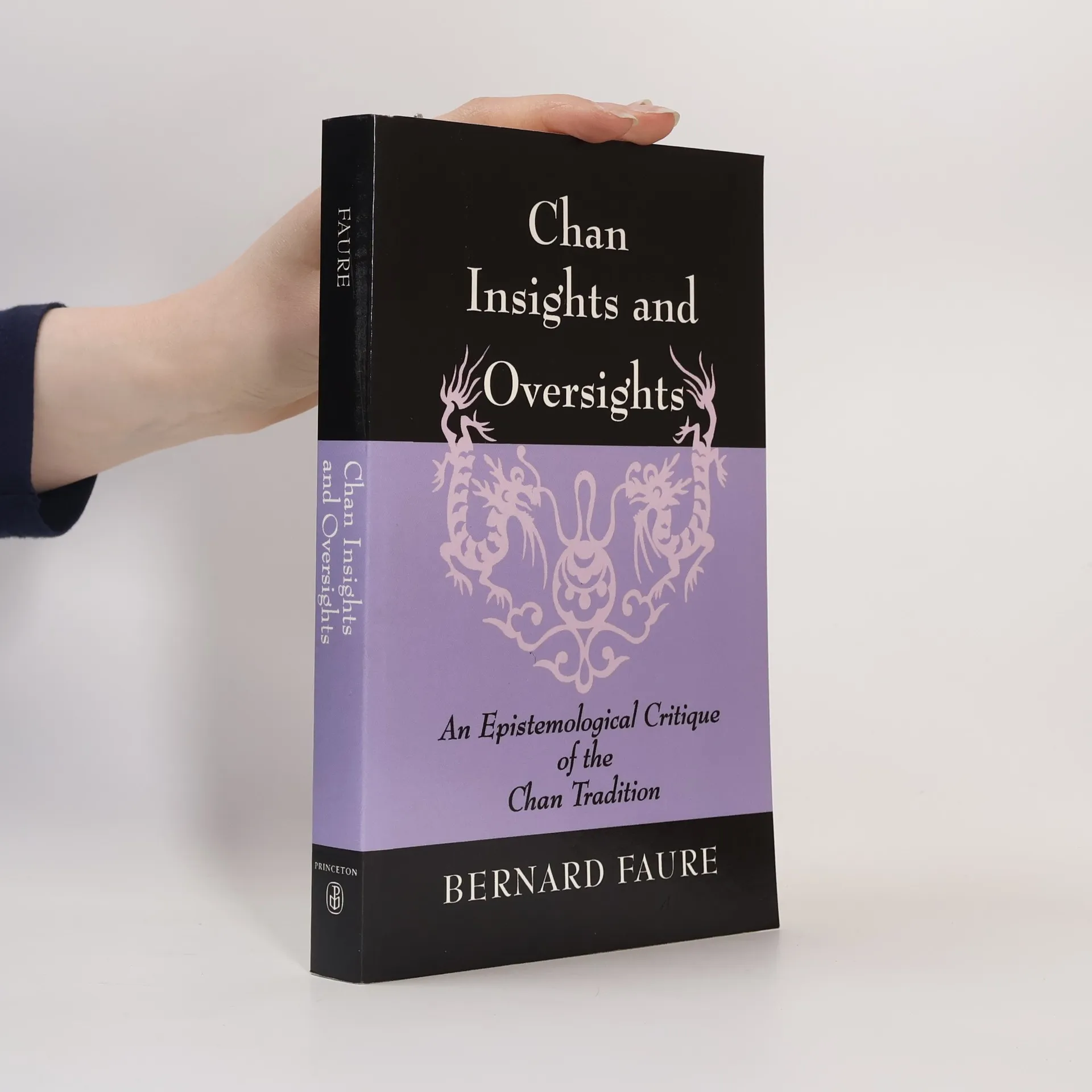
Chan Insights and Oversights, Bernard Faure
- Langue

- Année de publication
- 1996
- Reliure
- (souple)
Nous vous informerons par e-mail dès que nous l’aurons retrouvé.
Modes de paiement
Il manque plus que ton avis ici.
- Titre
- Chan Insights and Oversights
- Sous-titre
- An Epistemological Critique of the Chan Tradition
- Langue
- Anglais
- Auteurs
- Bernard Faure
- Éditeur
- Princeton University Press
- Publié
- 1996
- Format
- souple
- Pages
- 336
- ISBN10
- 0691029024
- ISBN13
- 9780691029023
- Séries
- Mots clés
- Thème historique, Thèmes religieux, Thématique philosophique, Spiritualité et spiritualisme, Thèmes chrétiens, Théologie, Écriture, Théories scientifiques, Éthique, Mystique, Critique, Zen, Historiographie, Rhétorique, Idéologie, Herméneutique, Confucianisme, Hérésie, Hagiographie, Individualisme, Confucius, Subjectivité, Sanskrit, Orientalisme
- Évaluation
- 4 sur 5
- Description
- Examining Chan/Zen from a postmodern perspective, Bernard Faure critiques traditional Orientalist views that either caricature or idealize Eastern thought, revealing overlooked complexities in Chan traditions. He explores how both Western and Eastern assumptions, including those of D. T. Suzuki, have distorted the understanding of Chan. The book discusses the historical influence of Jesuit missionaries, the interplay between Chan and local religions, and key concepts like temporality and self. It serves as a critical introduction to both Buddhist traditions and contemporary human sciences.