

En savoir plus sur le livre
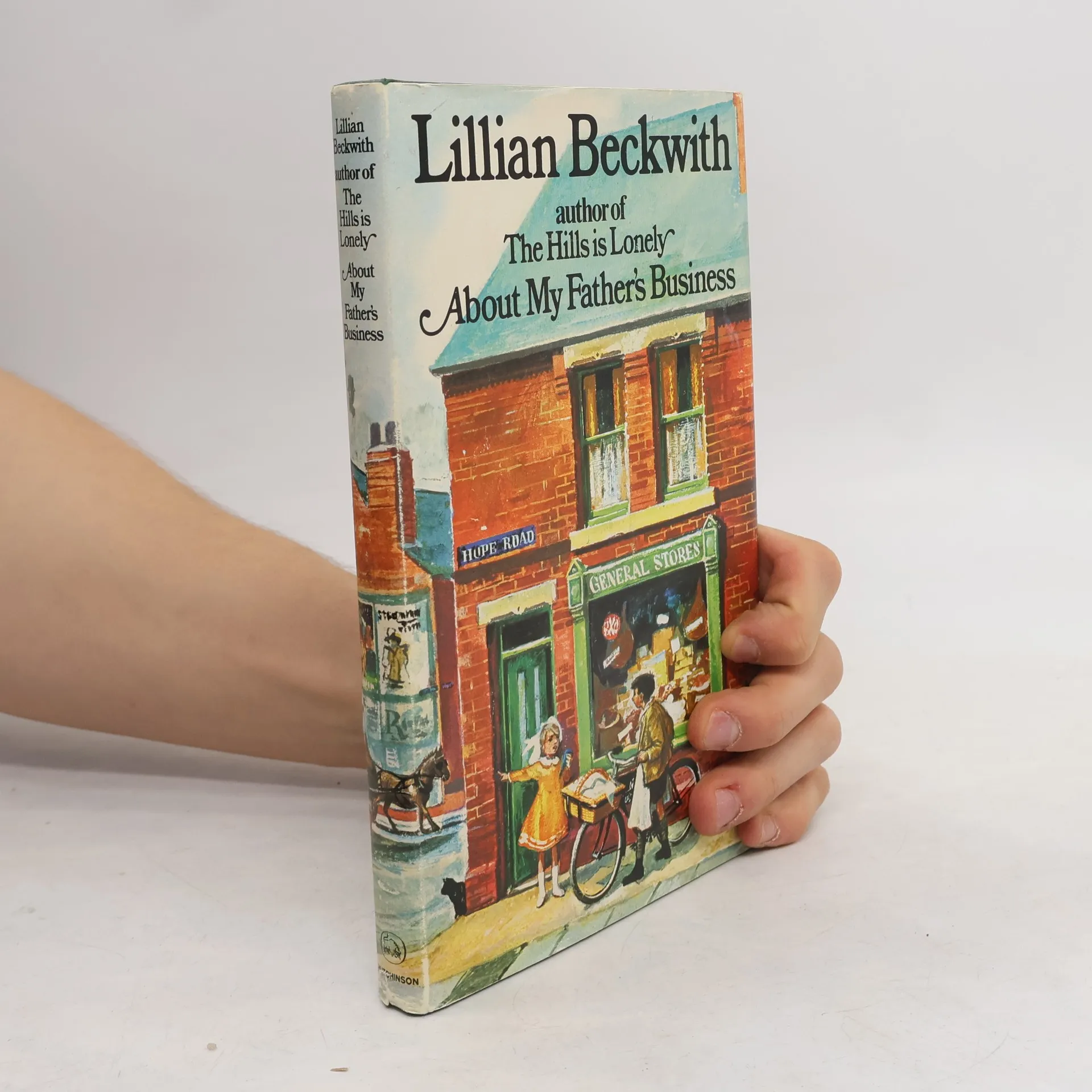
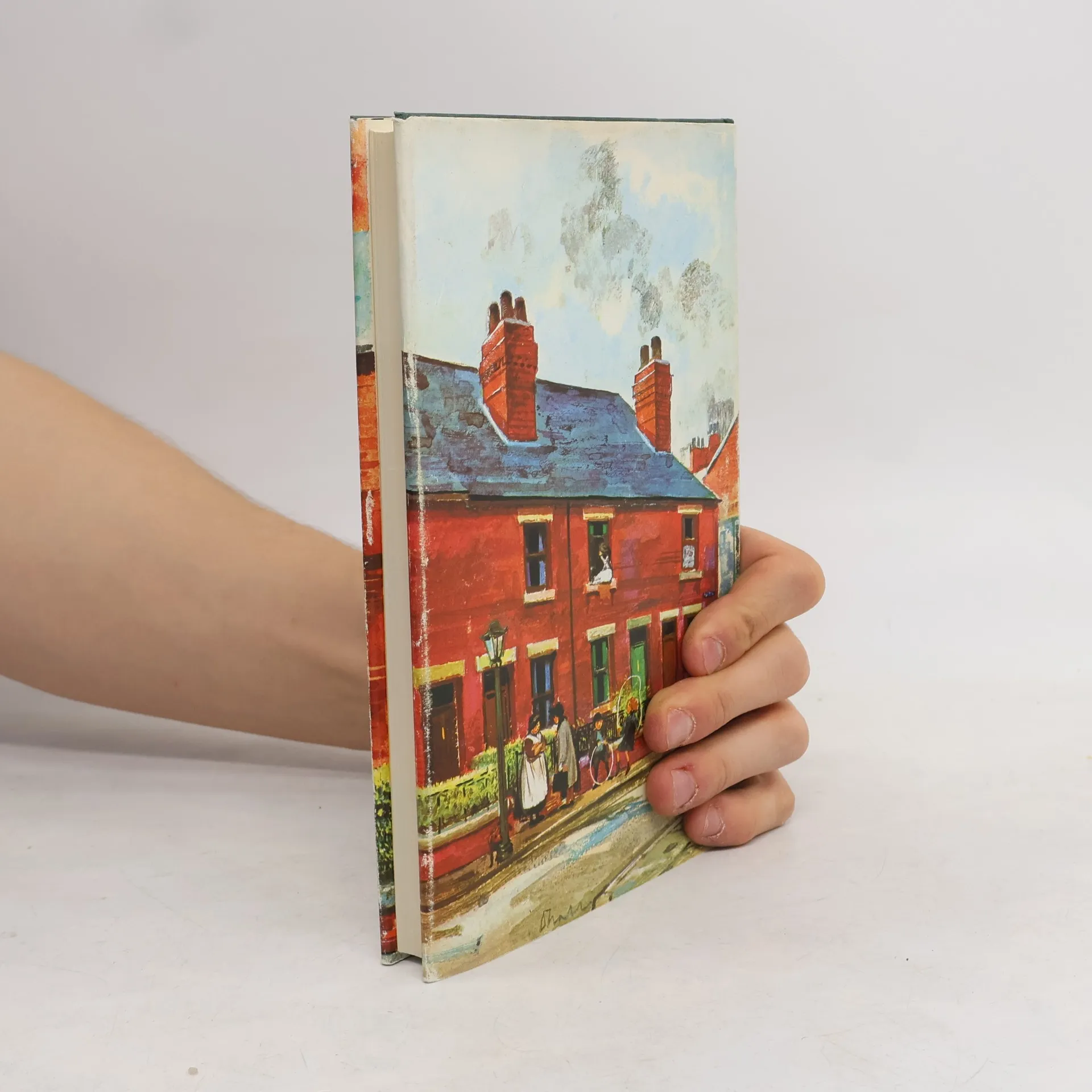
"Why do we have to ask Jesus to pity mice in Plicity and yet if we get mice in our larder we have to set traps and kill them?" Lillian Beckwith's innocent question captures the delightful confusions of childhood, though it was not appreciated by her strict Aunty Rye. In this charming autobiography, Beckwith transports us to the years between the wars, when her father ran a grocer's shop in Cheshire, long before she knew of the Hebrides. Even then, her keen eye for character shines through, as she introduces us to a cast of engaging personalities, each as appealing as her later Hebridean neighbors. Mr. Josh, the carpenter, with his repeated jokes, and the many customers who frequented the shop are portrayed with warmth and humor. The book is rich with the scents of childhood—soft soap, aniseed balls, bacon, and tea—evoking nostalgia for a world overshadowed by modern supermarkets. Readers familiar with Beckwith's earlier works will enjoy this new perspective on the gallant heroine of Bruach. The exquisite illustrations by Douglass Hall perfectly capture the spirit of the narrative, offering a clear-eyed view of an enchanted time many have lost in the clouds of memory.
Achat du livre
About My Father's Business, Lillian Beckwith
- Langue

- Année de publication
- 1971
- Reliure
- (rigide)
Modes de paiement
Il manque plus que ton avis ici.
- Titre
- About My Father's Business
- Langue
- Anglais
- Auteurs
- Lillian Beckwith
- Éditeur
- Hutchinson of London
- Publié
- 1971
- Format
- rigide
- Pages
- 192
- ISBN10
- 0091077907
- ISBN13
- 9780091077907
- Séries
- Mots clés
- Voyage
- Évaluation
- 3 sur 5
- Description
- "Why do we have to ask Jesus to pity mice in Plicity and yet if we get mice in our larder we have to set traps and kill them?" Lillian Beckwith's innocent question captures the delightful confusions of childhood, though it was not appreciated by her strict Aunty Rye. In this charming autobiography, Beckwith transports us to the years between the wars, when her father ran a grocer's shop in Cheshire, long before she knew of the Hebrides. Even then, her keen eye for character shines through, as she introduces us to a cast of engaging personalities, each as appealing as her later Hebridean neighbors. Mr. Josh, the carpenter, with his repeated jokes, and the many customers who frequented the shop are portrayed with warmth and humor. The book is rich with the scents of childhood—soft soap, aniseed balls, bacon, and tea—evoking nostalgia for a world overshadowed by modern supermarkets. Readers familiar with Beckwith's earlier works will enjoy this new perspective on the gallant heroine of Bruach. The exquisite illustrations by Douglass Hall perfectly capture the spirit of the narrative, offering a clear-eyed view of an enchanted time many have lost in the clouds of memory.