

En savoir plus sur le livre
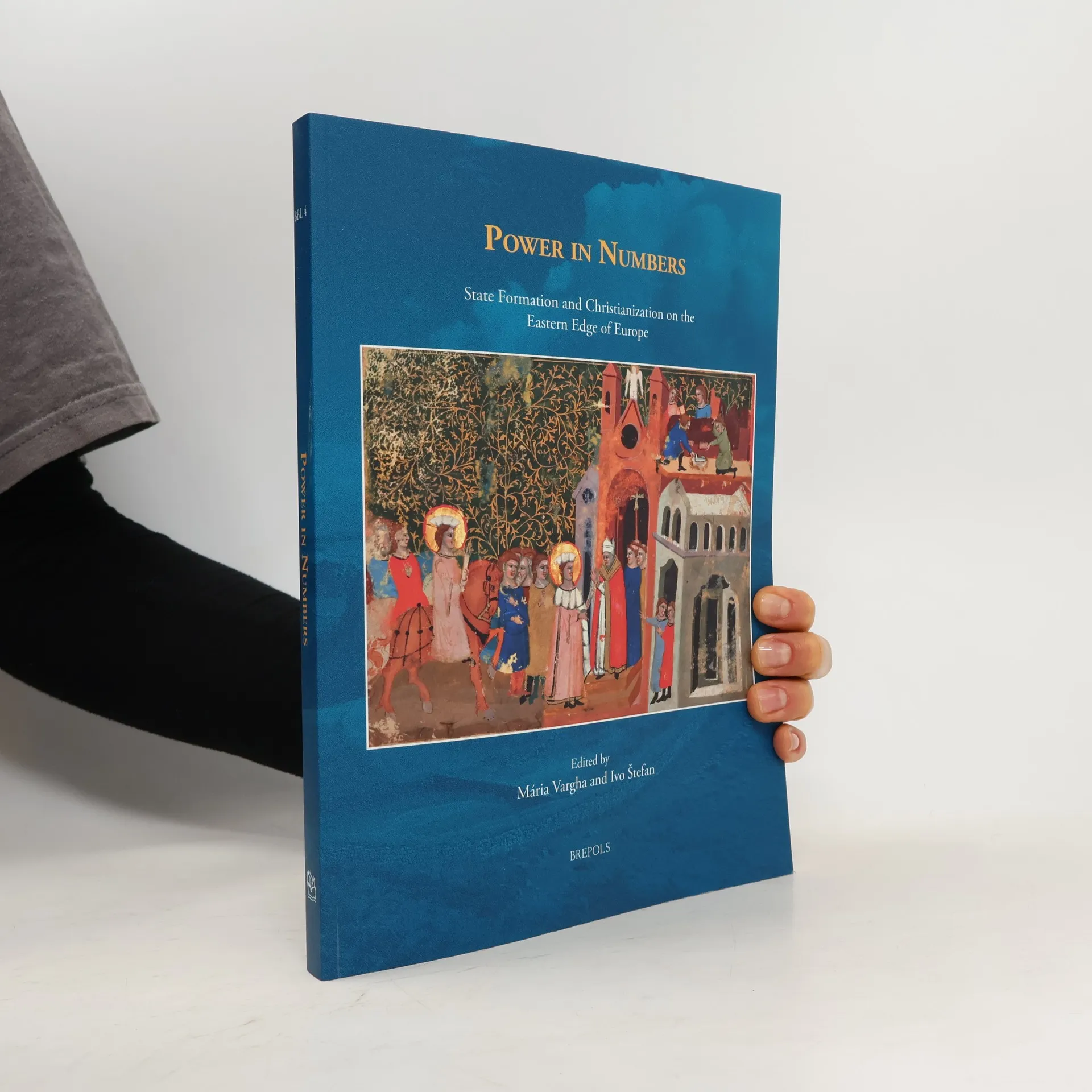
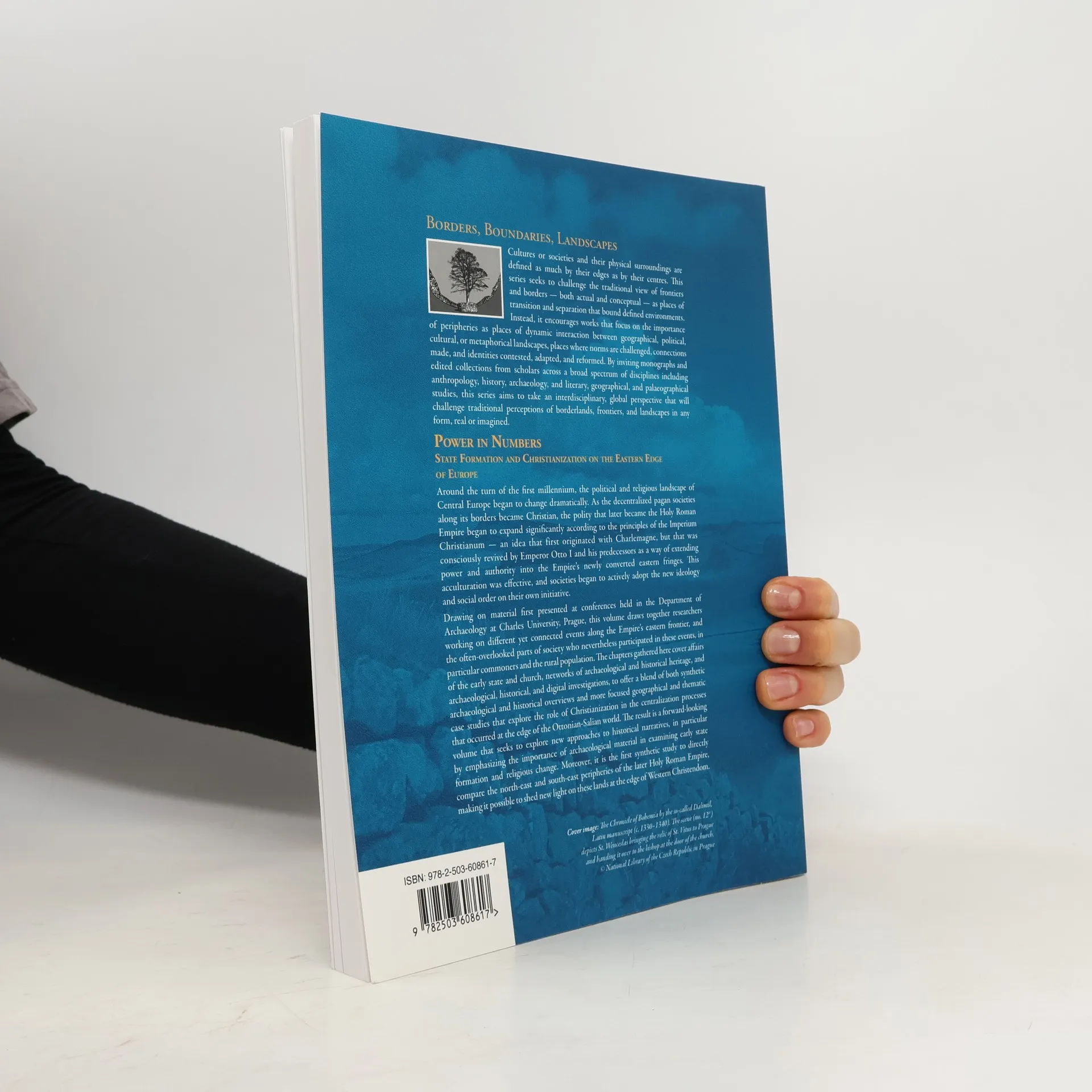
Around the turn of the first millennium, Central Europe's political and religious landscape underwent significant transformation. As decentralized pagan societies converted to Christianity, the polity that evolved into the Holy Roman Empire expanded under the principles of the Imperium Christianum, initially conceived by Charlemagne and later revived by Emperor Otto I to extend authority into newly Christianized eastern regions. This process of acculturation saw societies adopting the new ideology and social order voluntarily. This volume compiles research presented at conferences in the Department of Archaeology at Charles University, Prague, focusing on interconnected events along the Empire's eastern frontier and the often-overlooked roles of commoners and rural populations. The papers address early state and church affairs, networks of archaeological and historical heritage, and various investigations, blending synthetic archaeological and historical overviews with specific geographical and thematic case studies. They explore the role of Christianization in the centralization processes at the edge of the Ottonian-Salian world. This pioneering study directly compares the north-east and south-east peripheries of the later Holy Roman Empire, offering fresh insights into these regions at the periphery of Western Christendom.
Achat du livre
Borders, Boundaries, Landscapes - 4: Power in Numbers, Mária Vargha, Ivo Štefan
- Langue

- Année de publication
- 2024
- Reliure
- (souple),
- État du livre
- Très bon
- Prix
- 9,39 €
Modes de paiement
Personne n'a encore évalué .
- Titre
- Borders, Boundaries, Landscapes - 4: Power in Numbers
- Sous-titre
- State Formation and Christianization on the Eastern Edge of Europe
- Langue
- Anglais
- Auteurs
- Mária Vargha, Ivo Štefan
- Éditeur
- Brepols
- Publié
- 2024
- Format
- souple
- Pages
- 285
- ISBN10
- 2503608612
- ISBN13
- 9782503608617
- Séries
- Catégories
- Mots clés
- Thème historique, Thèmes religieux, Thèmes chrétiens, Europe, Moyen Âge, Histoire de l'Europe, Archéologie, Histoire sociale, Histoire des religions
- Description
- Around the turn of the first millennium, Central Europe's political and religious landscape underwent significant transformation. As decentralized pagan societies converted to Christianity, the polity that evolved into the Holy Roman Empire expanded under the principles of the Imperium Christianum, initially conceived by Charlemagne and later revived by Emperor Otto I to extend authority into newly Christianized eastern regions. This process of acculturation saw societies adopting the new ideology and social order voluntarily. This volume compiles research presented at conferences in the Department of Archaeology at Charles University, Prague, focusing on interconnected events along the Empire's eastern frontier and the often-overlooked roles of commoners and rural populations. The papers address early state and church affairs, networks of archaeological and historical heritage, and various investigations, blending synthetic archaeological and historical overviews with specific geographical and thematic case studies. They explore the role of Christianization in the centralization processes at the edge of the Ottonian-Salian world. This pioneering study directly compares the north-east and south-east peripheries of the later Holy Roman Empire, offering fresh insights into these regions at the periphery of Western Christendom.