

Paramètres
- 384pages
- 14 heures de lecture
En savoir plus sur le livre
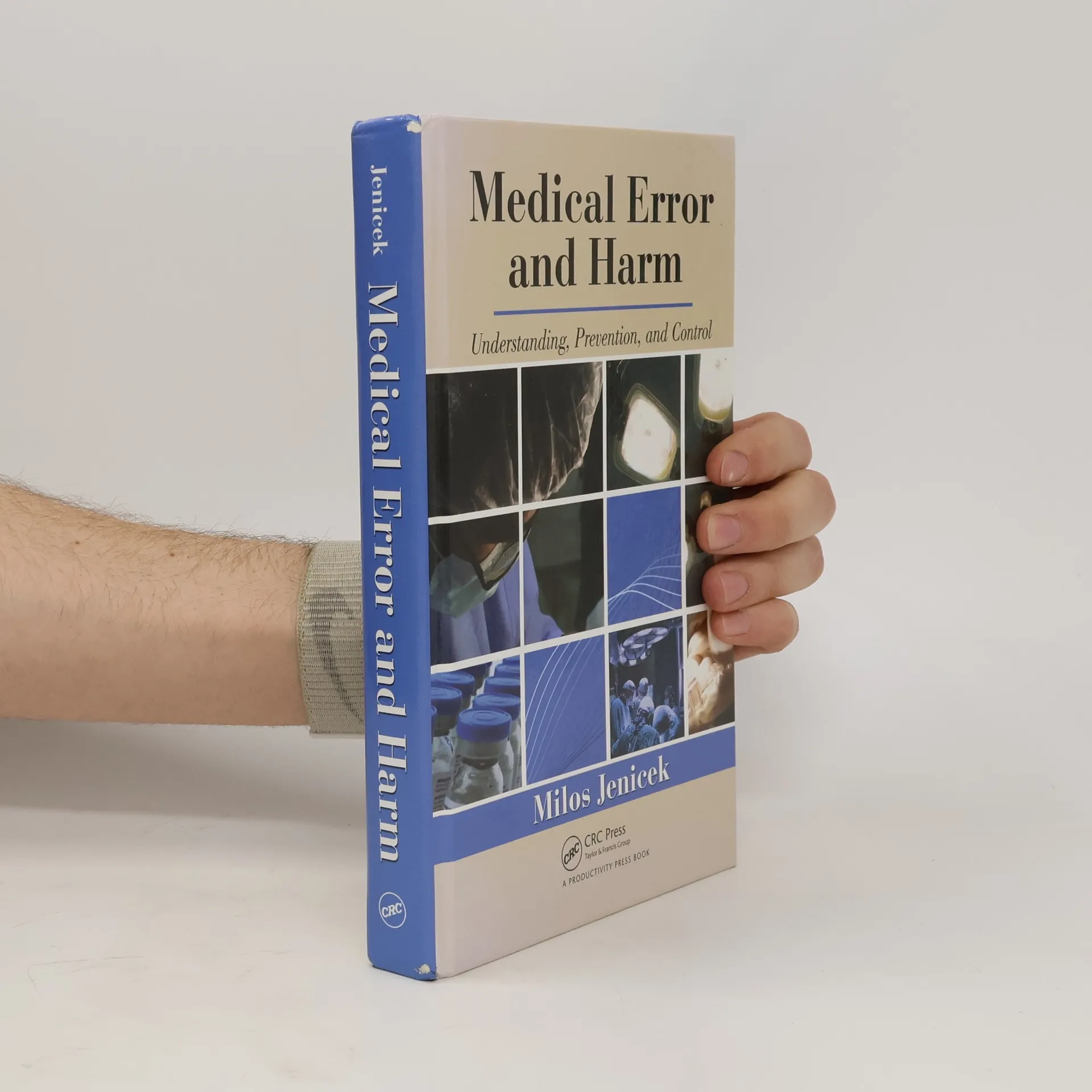
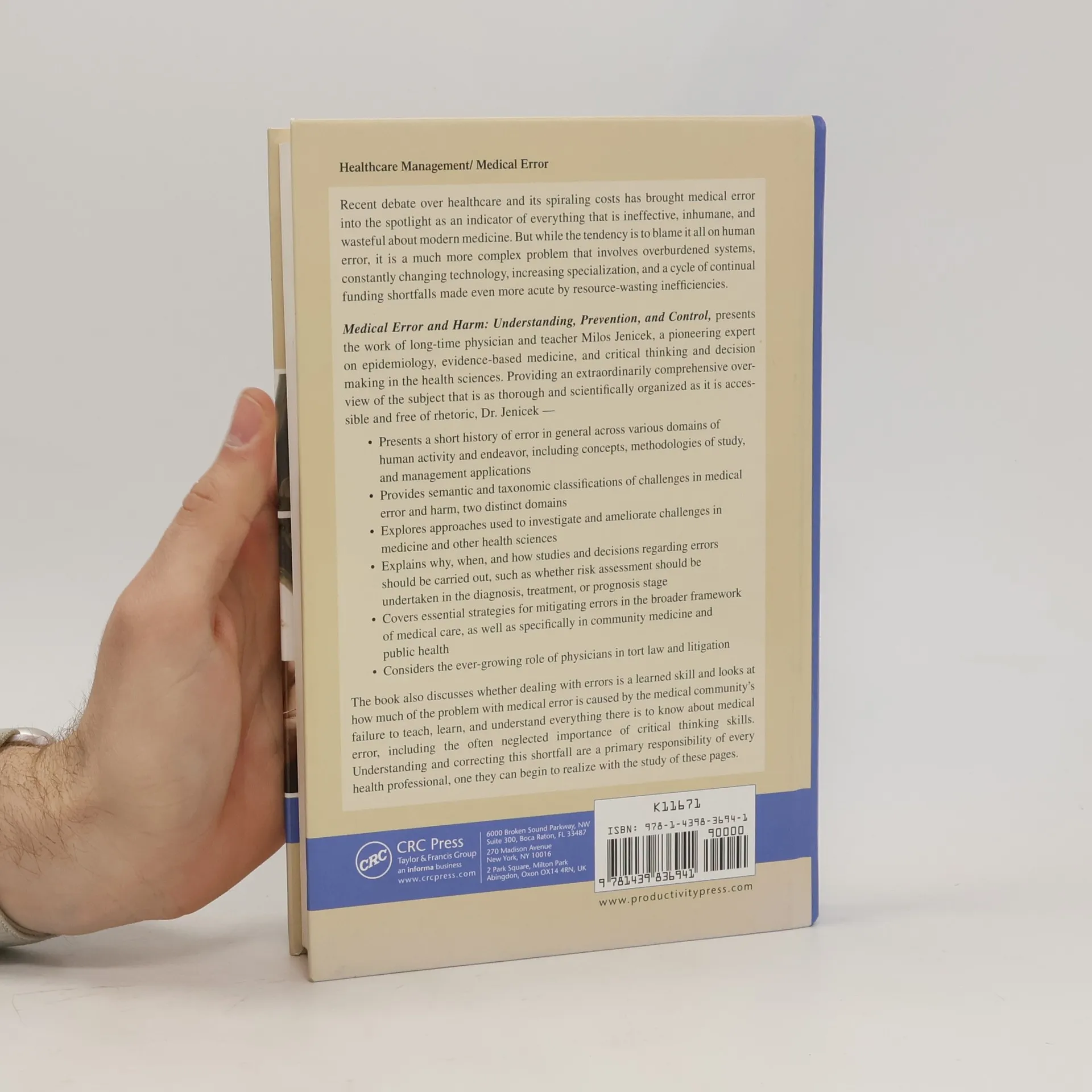
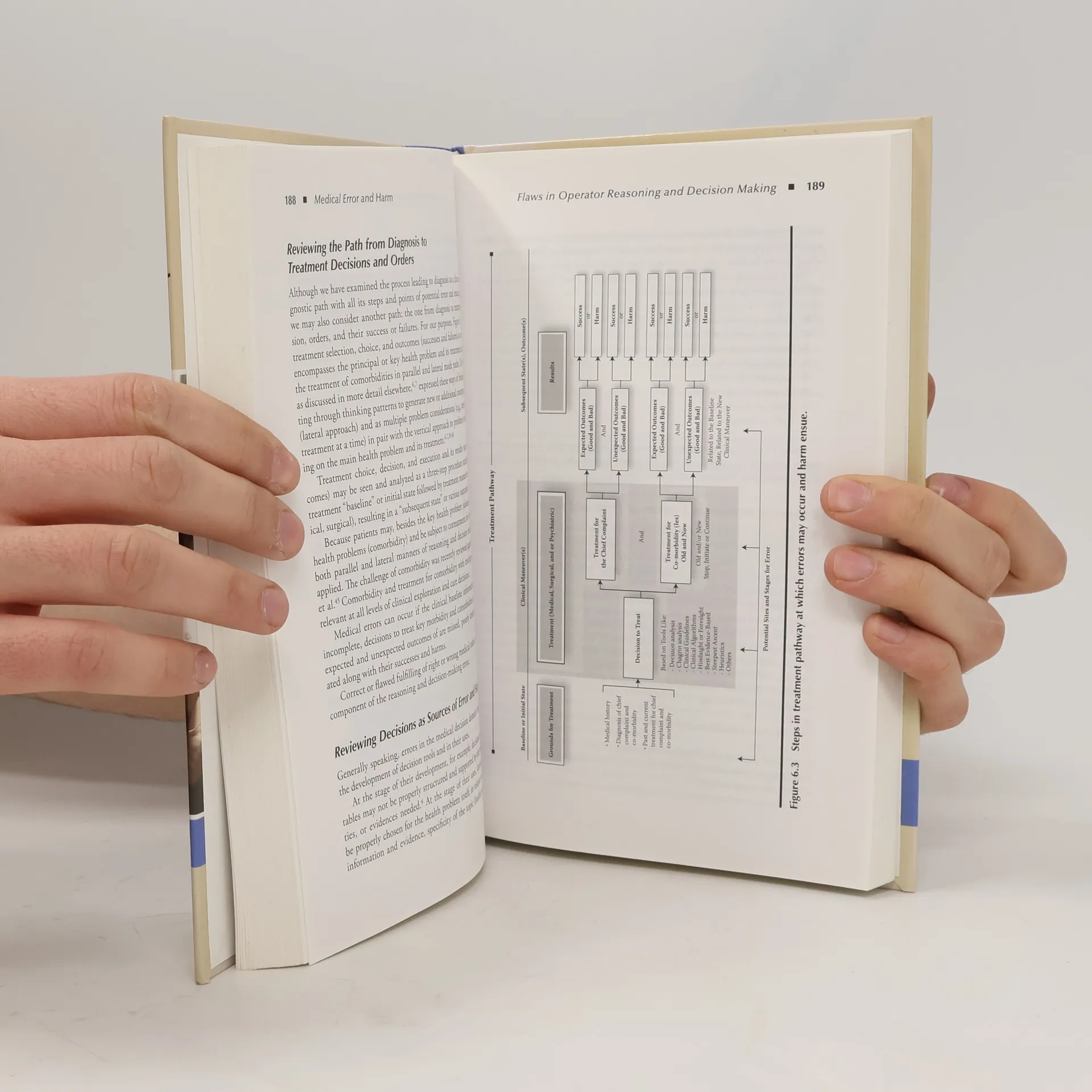
Recent debates over healthcare costs have highlighted medical error as a significant issue reflecting the inefficiencies of modern medicine. While often attributed to human error, the problem is more complex, involving overburdened systems, evolving technology, increased specialization, and chronic funding shortages exacerbated by inefficiencies. This work by Milos Jenicek, a seasoned physician and expert in epidemiology and evidence-based medicine, offers a comprehensive overview of medical error and harm. It includes a brief history of errors across various fields, along with methodologies for studying and managing these issues. The text provides semantic and taxonomic classifications of challenges in medical error and harm, and explores investigative approaches in medicine and health sciences. It discusses the timing and methods for conducting studies on errors, including risk assessments during diagnosis, treatment, or prognosis. Essential strategies for error mitigation in community medicine and public health are covered, along with the role of physicians in tort law. The book also examines whether addressing errors is a learned skill and critiques the medical community's shortcomings in teaching and understanding medical error, emphasizing the need for enhanced critical thinking skills among health professionals. Understanding and addressing these issues is a crucial responsibility for all in the healthcare field.
Achat du livre
Medical Error and Harm, Milos Jenicek
- Langue

- Année de publication
- 2010
- Reliure
- (rigide)
Modes de paiement
Personne n'a encore évalué .
- Titre
- Medical Error and Harm
- Sous-titre
- Understanding, Prevention, and Control
- Langue
- Anglais
- Auteurs
- Milos Jenicek
- Éditeur
- Productivity Press
- Publié
- 2010
- Format
- rigide
- Pages
- 384
- ISBN10
- 1439836949
- ISBN13
- 9781439836941
- Séries
- Catégories
- Mots clés
- Commerce, Thématique juridique, Médecine, Technologie, Éthique
- Description
- Recent debates over healthcare costs have highlighted medical error as a significant issue reflecting the inefficiencies of modern medicine. While often attributed to human error, the problem is more complex, involving overburdened systems, evolving technology, increased specialization, and chronic funding shortages exacerbated by inefficiencies. This work by Milos Jenicek, a seasoned physician and expert in epidemiology and evidence-based medicine, offers a comprehensive overview of medical error and harm. It includes a brief history of errors across various fields, along with methodologies for studying and managing these issues. The text provides semantic and taxonomic classifications of challenges in medical error and harm, and explores investigative approaches in medicine and health sciences. It discusses the timing and methods for conducting studies on errors, including risk assessments during diagnosis, treatment, or prognosis. Essential strategies for error mitigation in community medicine and public health are covered, along with the role of physicians in tort law. The book also examines whether addressing errors is a learned skill and critiques the medical community's shortcomings in teaching and understanding medical error, emphasizing the need for enhanced critical thinking skills among health professionals. Understanding and addressing these issues is a crucial responsibility for all in the healthcare field.