

Évaluation du livre
En savoir plus sur le livre
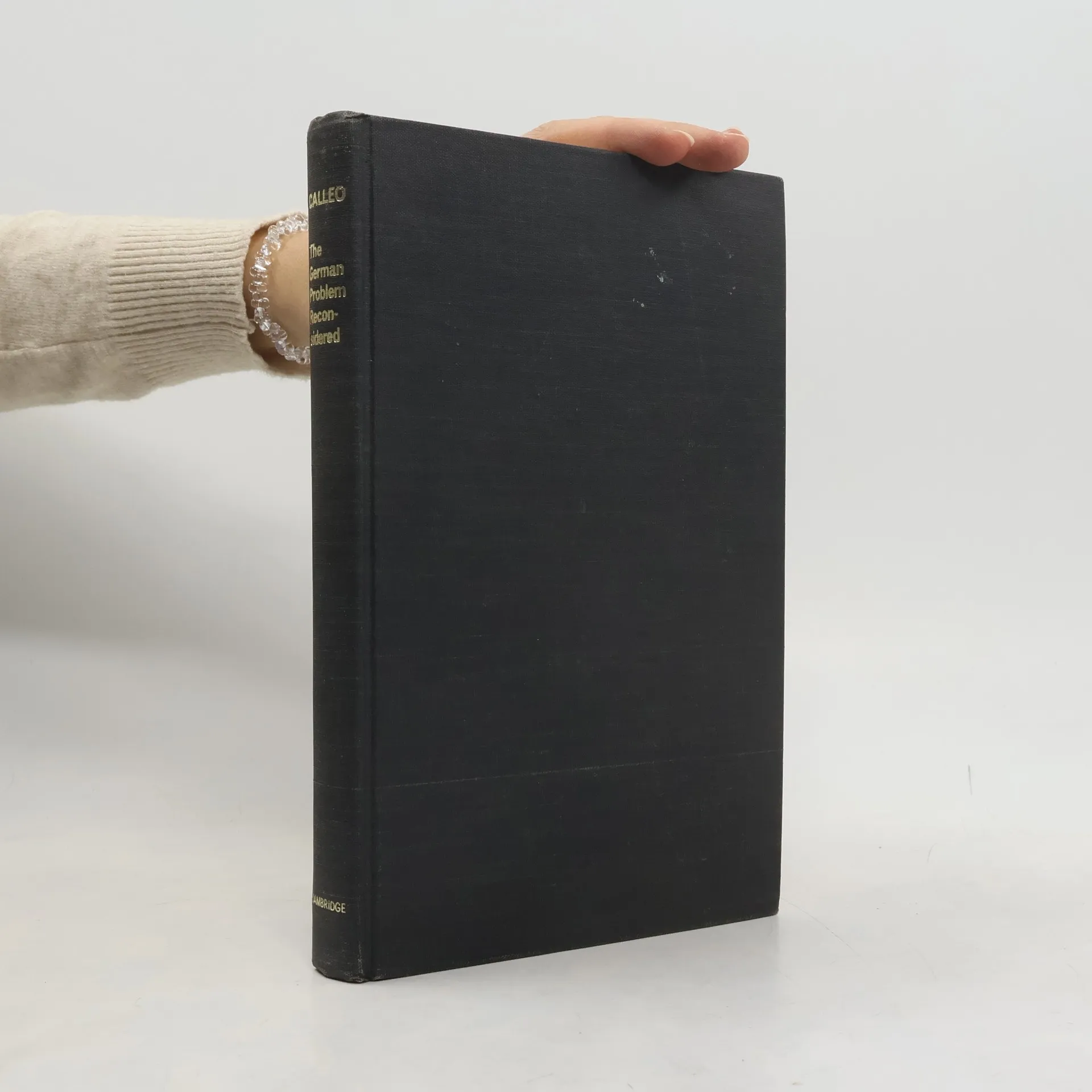
In this provocative book, David Calleo surveys German history - not to present new material but to look afresh at the old. He argues that recent explanations for Germany's external conflicts have focused on flaws in the country's traditional political institutions and culture. These German-centred explanations are convenient Calloe notes, for they tend to exonerate others from their responsibilities in bringing about two world wars, namely the American and Russian hegemonies in Europe. As a result of this approach the big questions in German history are still answered with the ageing cliches of a generation ago despite the proliferation of German historical studies. Throughout Professor Calleo examines with some scepticism the concept of Germany's uniqueness and its consequences. In effect, his study stresses the continuing relevance of traditional issues among the Western states. This book, he asserts, should be regarded as a modest dissent from the prevailing view that history either began or ended in 1945.
Achat du livre
The German Problem Reconsidered, David P. Calleo
- Langue

- Année de publication
- 1978
- Reliure
- (rigide)
Modes de paiement
Il manque plus que ton avis ici.
- Titre
- The German Problem Reconsidered
- Sous-titre
- Germany and the World Order 1870 to the Present
- Langue
- Anglais
- Auteurs
- David P. Calleo
- Éditeur
- Cambridge University Press
- Publié
- 1978
- Format
- rigide
- Pages
- 240
- ISBN10
- 0521223091
- ISBN13
- 9780521223096
- Séries
- Évaluation
- 2 sur 5
- Description
- In this provocative book, David Calleo surveys German history - not to present new material but to look afresh at the old. He argues that recent explanations for Germany's external conflicts have focused on flaws in the country's traditional political institutions and culture. These German-centred explanations are convenient Calloe notes, for they tend to exonerate others from their responsibilities in bringing about two world wars, namely the American and Russian hegemonies in Europe. As a result of this approach the big questions in German history are still answered with the ageing cliches of a generation ago despite the proliferation of German historical studies. Throughout Professor Calleo examines with some scepticism the concept of Germany's uniqueness and its consequences. In effect, his study stresses the continuing relevance of traditional issues among the Western states. This book, he asserts, should be regarded as a modest dissent from the prevailing view that history either began or ended in 1945.