

En savoir plus sur le livre
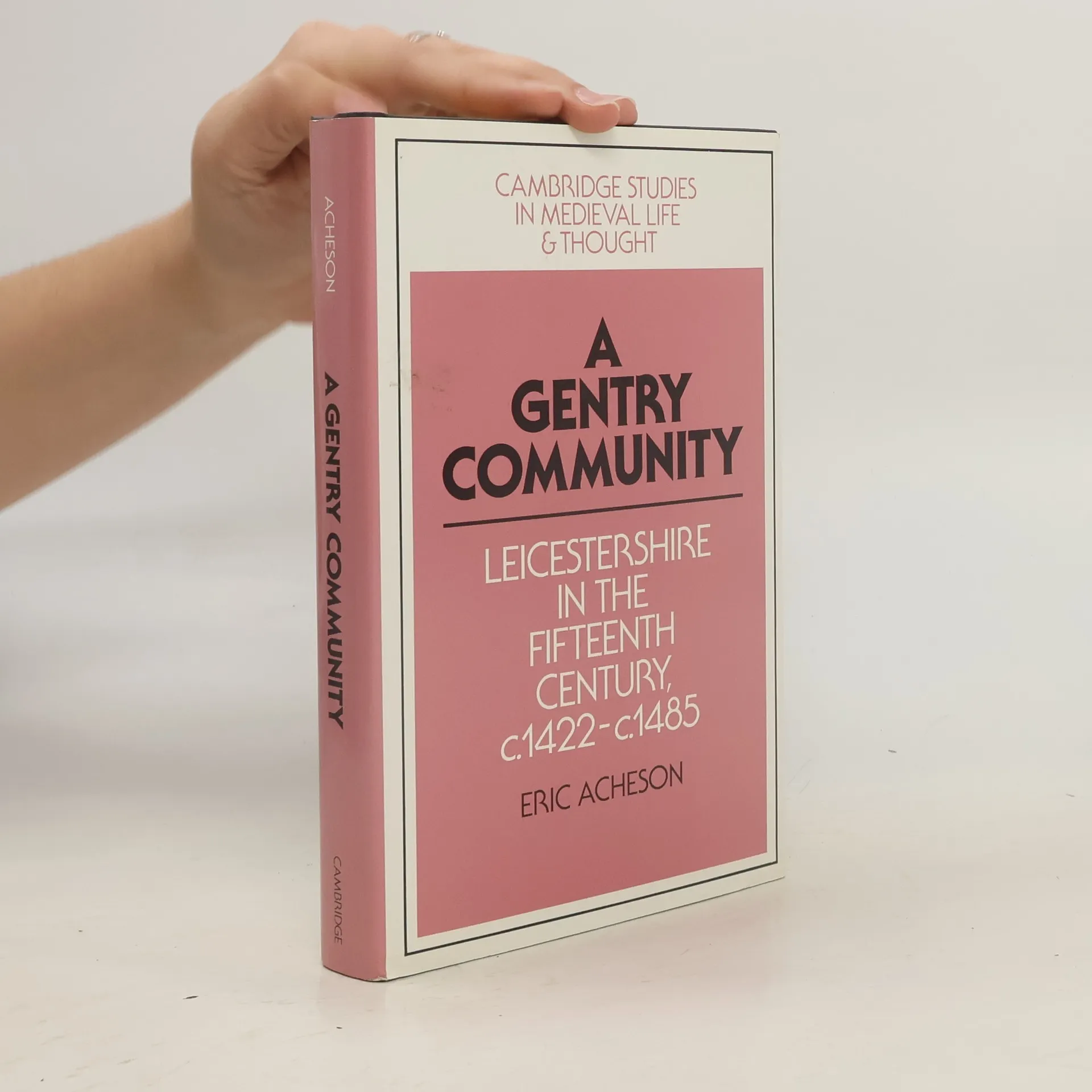
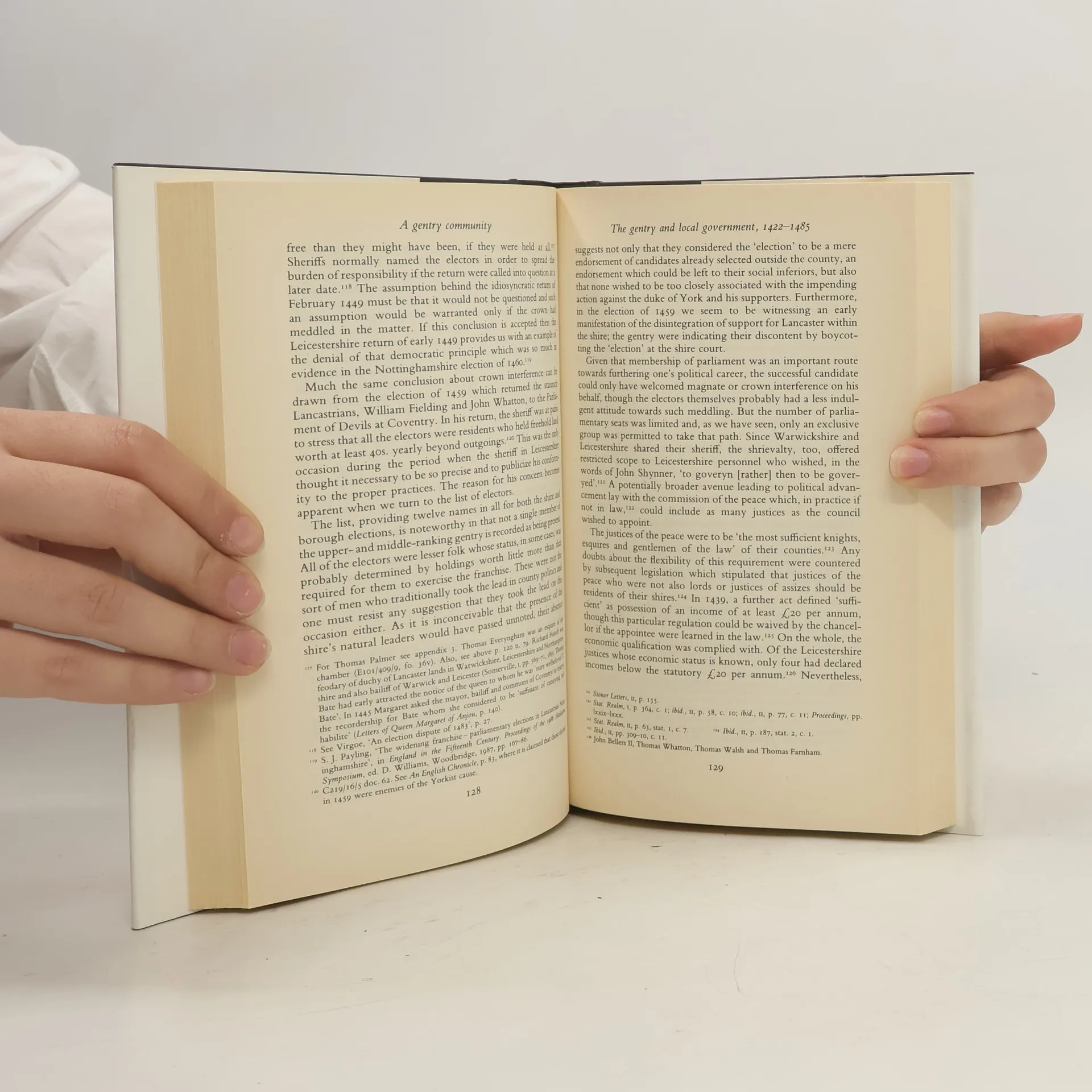
This book examines the fifteenth-century gentry of Leicestershire under five broad headings: as landholders, as members of a social community based on the county, as participants in and leaders of the government of the shire, as members of the wider family unit and, finally, as individuals. Economically assertive, they were also socially cohesive, this cohesion being provided by the shire community. The shire also provided the most important political unit, controlled by an oligarchy of superior gentry families who were relatively independent of outside interference. The basic social unit was the nuclear family, but external influences, provided by concern for the wider kin, the lineage or economic and political advancement, were not major determinants of family strategy. Individualism among the gentry was already established by the fifteenth century, revealing its personnel as a self-assured and confident stratum in late medieval English society.
Achat du livre
Cambridge Studies in Medieval Life & Thought: A Gentry Community, Eric Acheson
- Langue

- Année de publication
- 1992
- Reliure
- (rigide)
Modes de paiement
Personne n'a encore évalué .
- Titre
- Cambridge Studies in Medieval Life & Thought: A Gentry Community
- Sous-titre
- Leicestershire in the Fifteenth Century, c.1422–c.1485
- Langue
- Anglais
- Auteurs
- Eric Acheson
- Éditeur
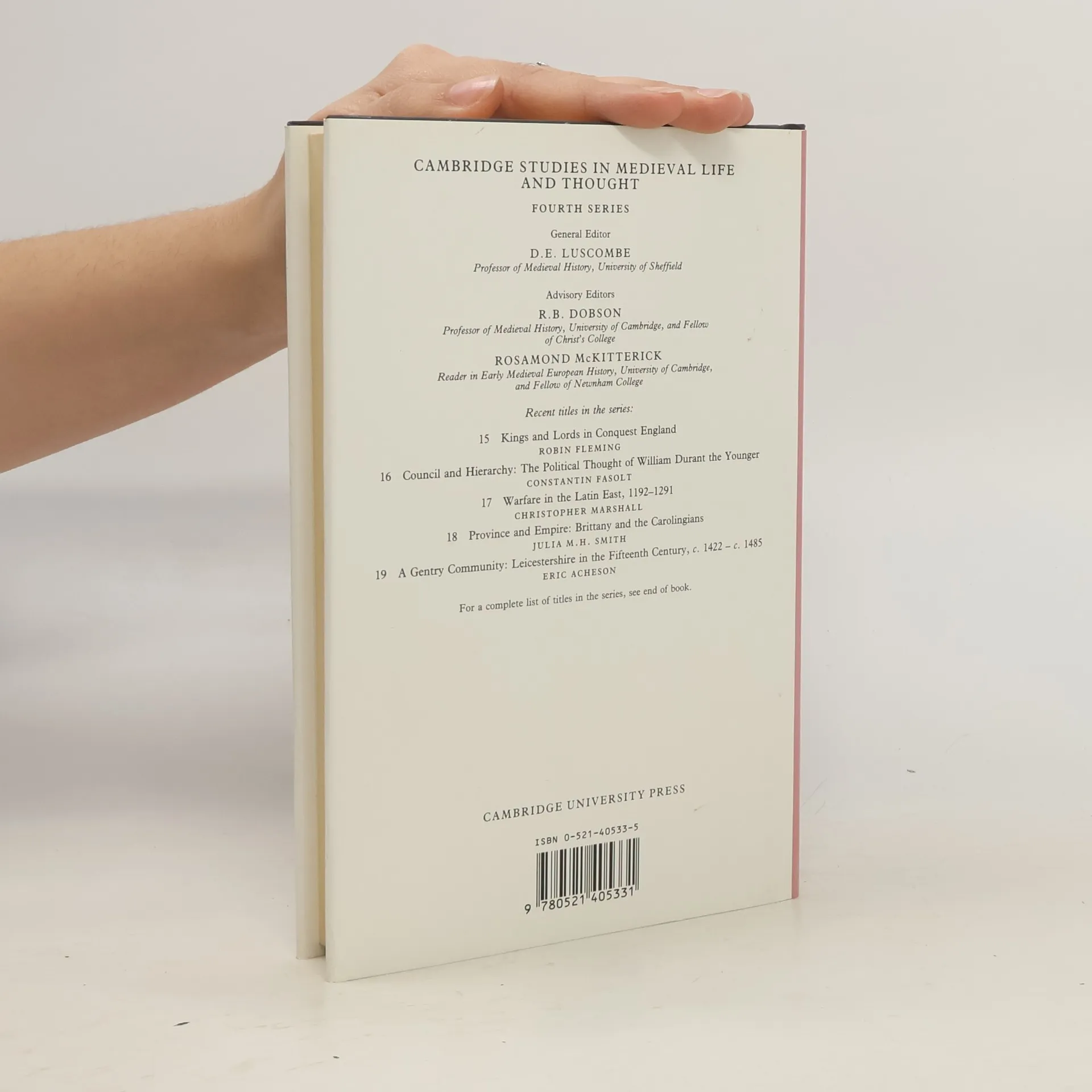
- Cambridge University Press
- Publié
- 1992
- Format
- rigide
- Pages
- 310
- ISBN10
- 0521405335
- ISBN13
- 9780521405331
- Séries
- Mots clés
- Manuels et guides, Femmes, Europe, Angleterre, Grande-Bretagne, Accouchement, Gentry
- Description
- This book examines the fifteenth-century gentry of Leicestershire under five broad headings: as landholders, as members of a social community based on the county, as participants in and leaders of the government of the shire, as members of the wider family unit and, finally, as individuals. Economically assertive, they were also socially cohesive, this cohesion being provided by the shire community. The shire also provided the most important political unit, controlled by an oligarchy of superior gentry families who were relatively independent of outside interference. The basic social unit was the nuclear family, but external influences, provided by concern for the wider kin, the lineage or economic and political advancement, were not major determinants of family strategy. Individualism among the gentry was already established by the fifteenth century, revealing its personnel as a self-assured and confident stratum in late medieval English society.