

En savoir plus sur le livre
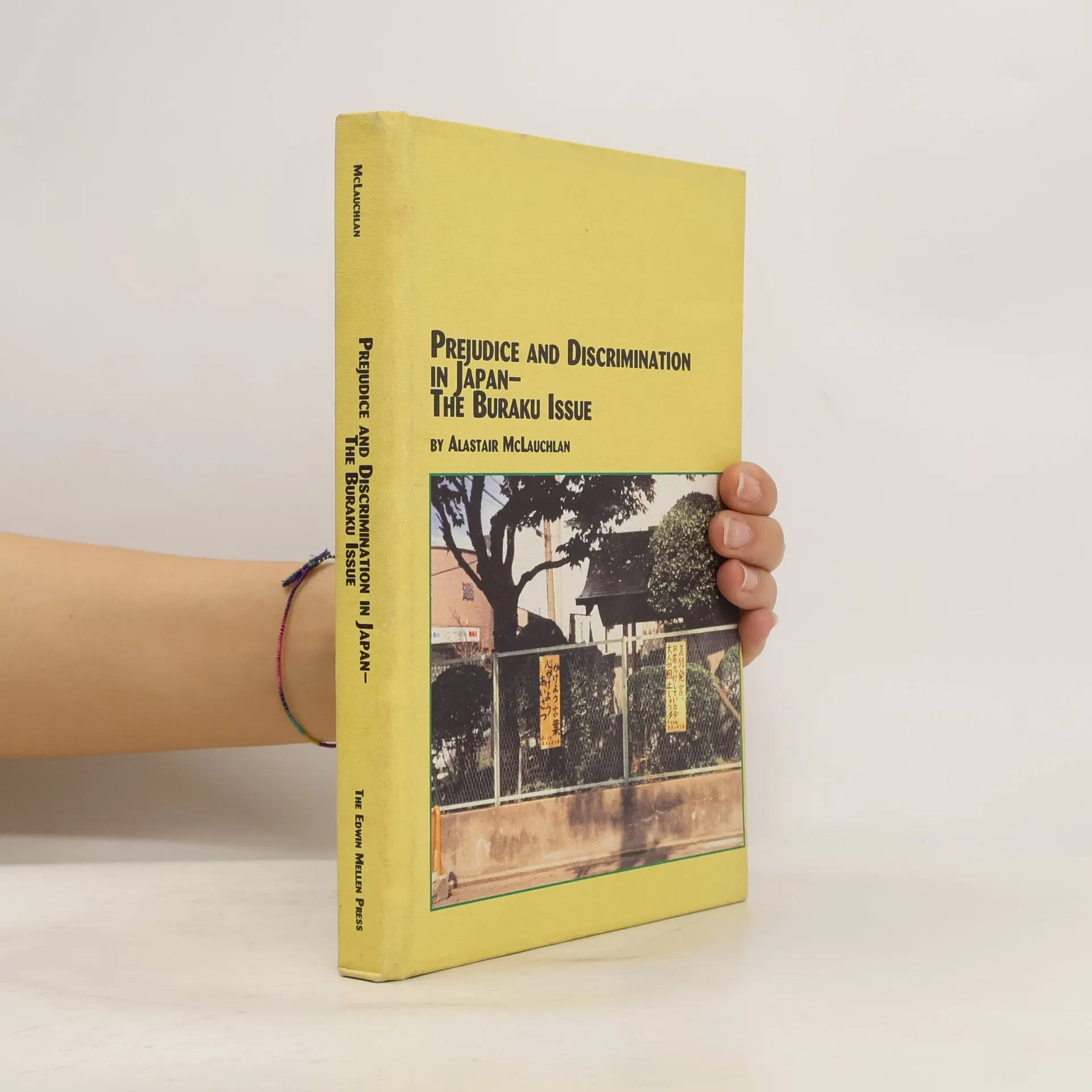
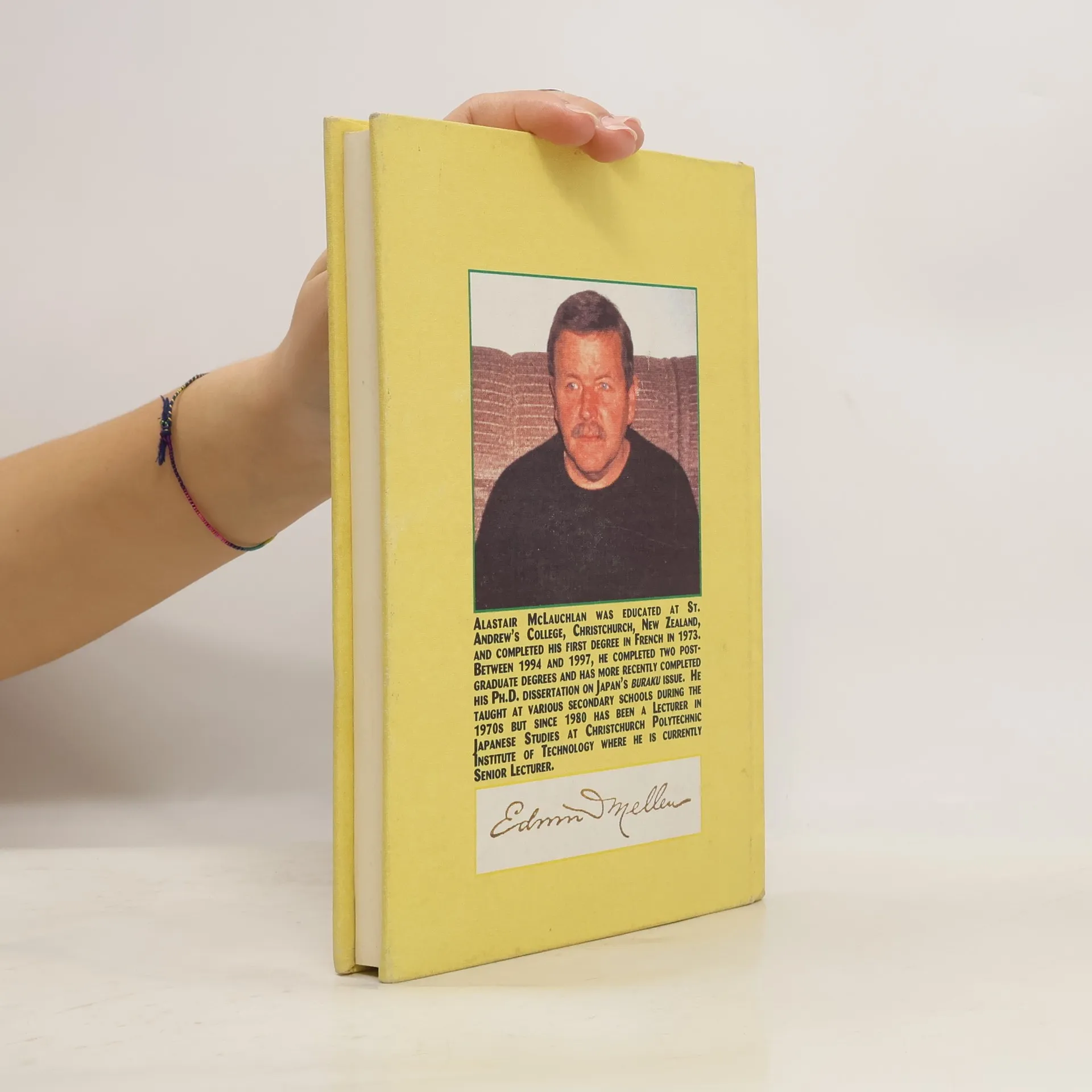
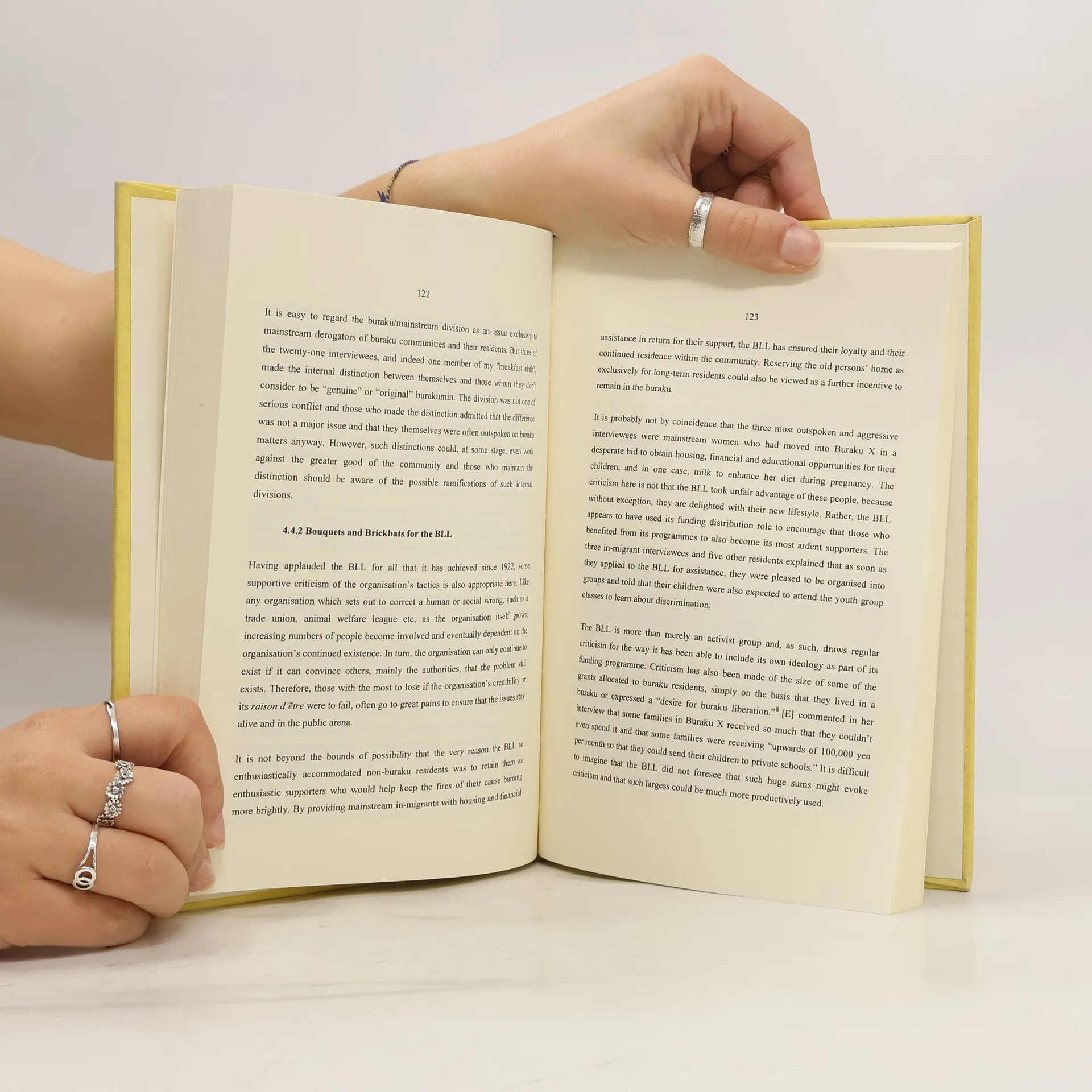
During the Tokugawa period in Japan (1600-1868), leather tanners, butchers, and others working in "polluted" occupations were made to live in segregated communities. These are the buraku communities that continue, despite the end of the caste system, to suffer significant discrimination. For his research, McLauchlan (Japanese studies, Christchurch Polytechnic Institute of Technology, New Zealand) conducted open-ended interviews with 21 members of the Buraku Liberation League, all members of a buraku community in East Osaka. He details the experiences of discrimination, their reactions to discrimination at the time, and their reflections on their status at the time of the interview. Annotation ©2004 Book News, Inc., Portland, OR (booknews.com)
Achat du livre
Japanese Studies (Lewiston, N.Y.) - 20: Prejudice and Discrimination in Japan, Alastair McLauchlan
- Langue

- Année de publication
- 2003
- Reliure
- (rigide)
Modes de paiement
Personne n'a encore évalué .
- Titre
- Japanese Studies (Lewiston, N.Y.) - 20: Prejudice and Discrimination in Japan
- Sous-titre
- The Buraku Issue
- Langue
- Anglais
- Auteurs
- Alastair McLauchlan
- Éditeur
- Edwin Mellen Press
- Publié
- 2003
- Format
- rigide
- Pages
- 212
- ISBN10
- 0773465685
- ISBN13
- 9780773465688
- Séries
- Mots clés
- États-Unis, Japon, Asie, Discrimination
- Description
- During the Tokugawa period in Japan (1600-1868), leather tanners, butchers, and others working in "polluted" occupations were made to live in segregated communities. These are the buraku communities that continue, despite the end of the caste system, to suffer significant discrimination. For his research, McLauchlan (Japanese studies, Christchurch Polytechnic Institute of Technology, New Zealand) conducted open-ended interviews with 21 members of the Buraku Liberation League, all members of a buraku community in East Osaka. He details the experiences of discrimination, their reactions to discrimination at the time, and their reflections on their status at the time of the interview. Annotation ©2004 Book News, Inc., Portland, OR (booknews.com)