


En savoir plus sur le livre
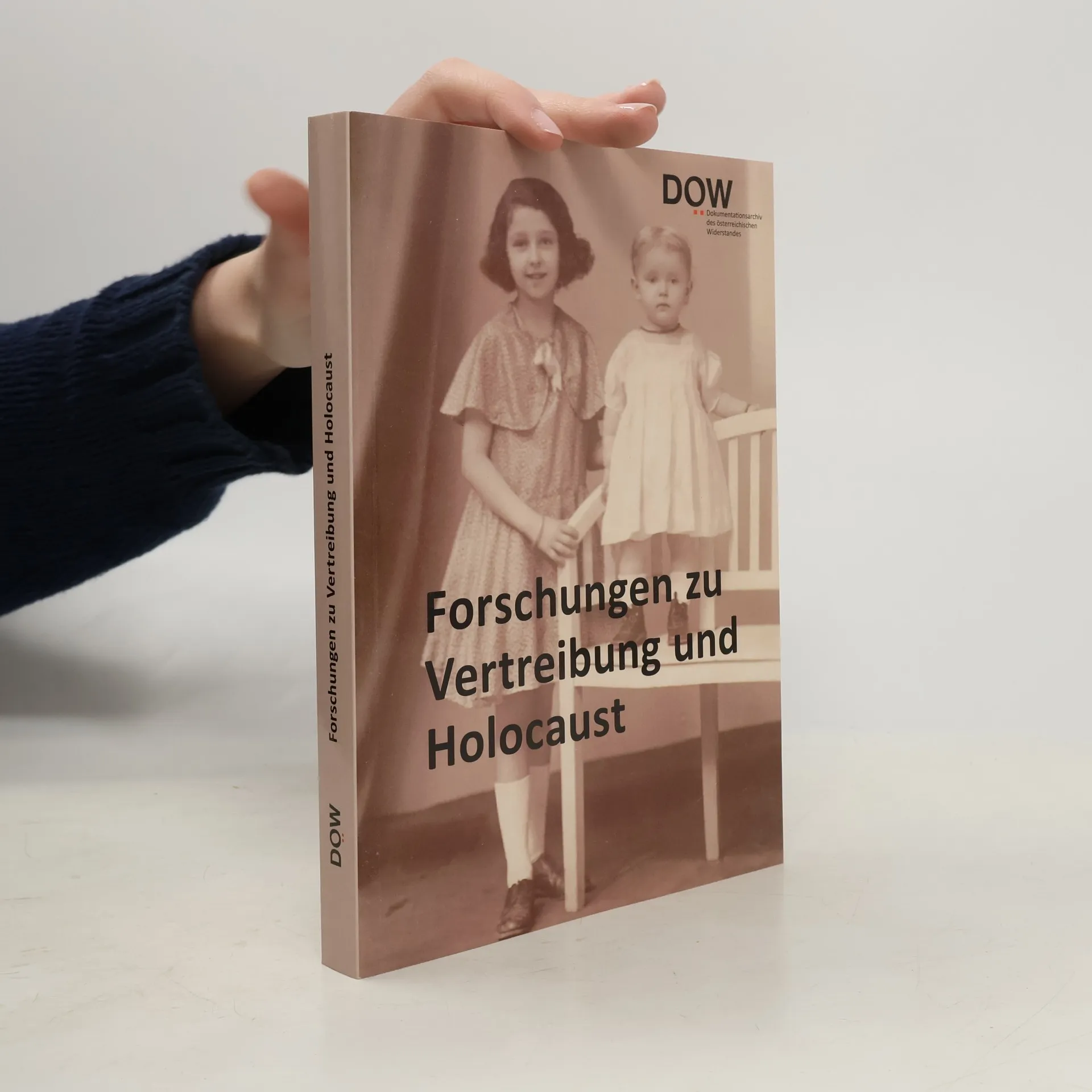
This collection presents a range of new quantitative and qualitative research on exile and the Holocaust, focusing on various aspects of the Jewish experience in Austria from 1938 to 1945. Contributions include analyses of the Jewish population, the persecution of Austrian Jews, and the role of "Sammelwohnungen" as transit points before deportation. It explores the experiences of Jewish students at the Veterinary University in Vienna and examines deportation within the context of Nazi policies. The phenomenon of marriages between Jewish women and foreigners in 1938 is investigated, alongside the unique challenges faced by women during flight and displacement. Personal narratives highlight survival stories, such as that of Bernhard Goldstein in Baden bei Wien, and the plight of Galician war refugees in Vienna. The collection also addresses Jewish storytelling about displacement during the World Wars, alongside educational approaches to teaching about murdered and displaced children and youth from Vienna. Additionally, it discusses structural issues in restitution law, the recognition of health damages due to persecution, and the legacy of Hella Atlmann-Postranecky, a pioneering figure in the Austrian workers' movement. Finally, it reflects on memorials and cultures of remembrance for the victims of National Socialism in Linz.
Achat du livre
Forschungen zu Vertreibung und Holocaust, Christine Schindler
- Langue

- Année de publication
- 2018
- Reliure
- (souple)
Modes de paiement
Personne n'a encore évalué .
- Titre
- Forschungen zu Vertreibung und Holocaust
- Langue
- Allemand
- Auteurs
- Christine Schindler
- Publié
- 2018
- Format
- souple
- Pages
- 382
- ISBN10
- 390114272X
- ISBN13
- 9783901142727
- Séries
- Mots clés
- Autriche, Holocauste, Nazisme
- Description
- This collection presents a range of new quantitative and qualitative research on exile and the Holocaust, focusing on various aspects of the Jewish experience in Austria from 1938 to 1945. Contributions include analyses of the Jewish population, the persecution of Austrian Jews, and the role of "Sammelwohnungen" as transit points before deportation. It explores the experiences of Jewish students at the Veterinary University in Vienna and examines deportation within the context of Nazi policies. The phenomenon of marriages between Jewish women and foreigners in 1938 is investigated, alongside the unique challenges faced by women during flight and displacement. Personal narratives highlight survival stories, such as that of Bernhard Goldstein in Baden bei Wien, and the plight of Galician war refugees in Vienna. The collection also addresses Jewish storytelling about displacement during the World Wars, alongside educational approaches to teaching about murdered and displaced children and youth from Vienna. Additionally, it discusses structural issues in restitution law, the recognition of health damages due to persecution, and the legacy of Hella Atlmann-Postranecky, a pioneering figure in the Austrian workers' movement. Finally, it reflects on memorials and cultures of remembrance for the victims of National Socialism in Linz.