



Paramètres
- 144pages
- 6 heures de lecture
En savoir plus sur le livre
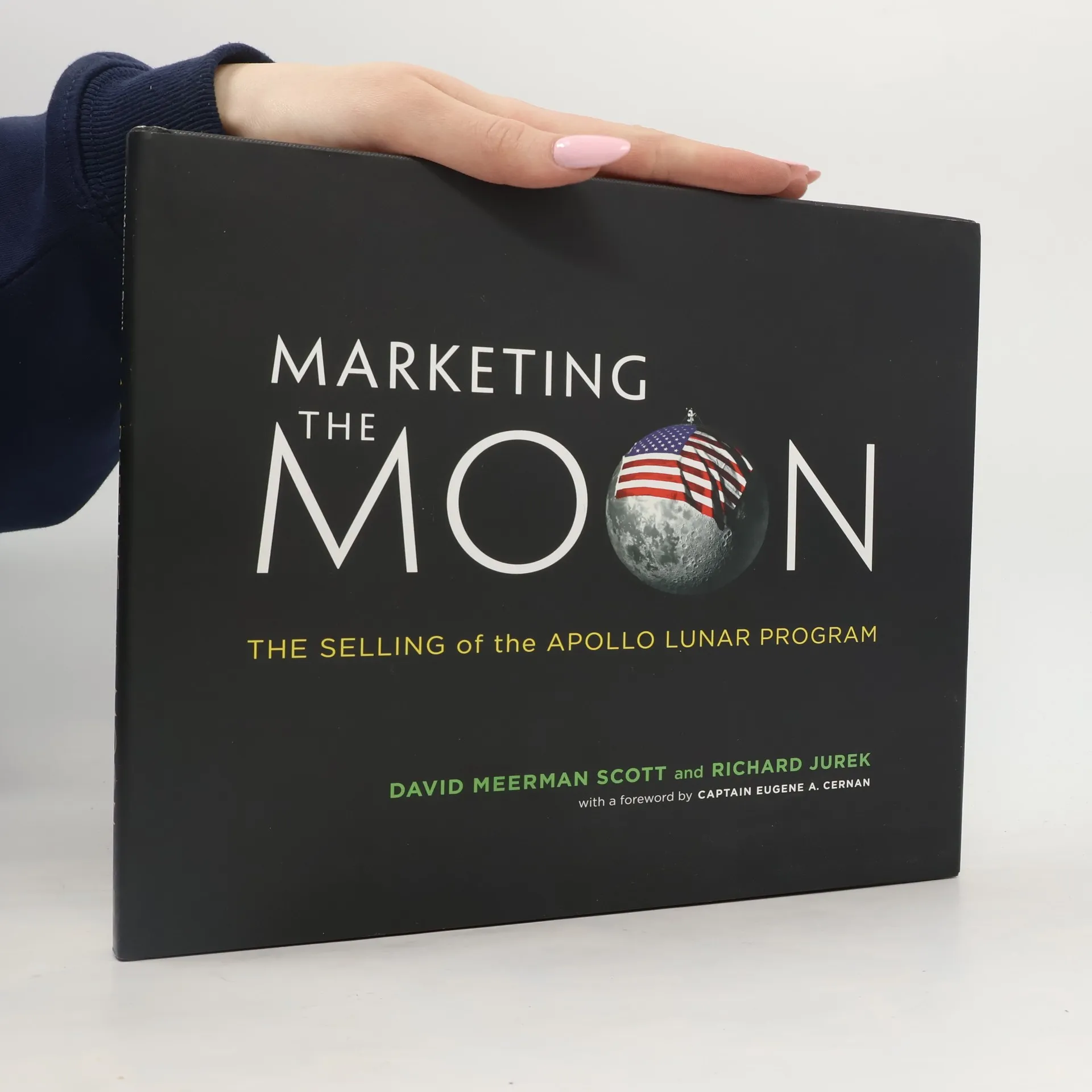
In July 1969, ninety-four percent of American televisions tuned in to Apollo 11's mission to the moon. How did space exploration, once limited to rocket scientists, capture a wider audience than popular television shows? This book narrates one of history's most successful marketing and public relations campaigns: the promotion of the Apollo program. Fueled by science fiction, magazine articles, and Wernher von Braun's appearances on "Tomorrowland," Americans were primed for NASA's innovative "brand journalism." The authors detail NASA's sophisticated marketing efforts, which included press releases, bylined articles, and fully produced media features, focusing on facts about space travel rather than pushing an agenda. American astronauts, who signed exclusive agreements with Life magazine, became the program's heroic faces. Product placements were also strategic, with Hasselblad as the "first camera on the moon," and items like Sony cassette recorders and Tang onboard the capsule. The book is richly illustrated with vintage photographs, artwork, and advertisements, many previously unpublished. It reveals that Neil Armstrong's historic moon landing was not just a triumph of engineering but also of American marketing and public relations.
Achat du livre
Marketing the Moon, David Meerman Scott, Richard Jurek, Eugene A. Cernan
- Langue

- Année de publication
- 2014
- Reliure
- (rigide)
Modes de paiement
Il manque plus que ton avis ici.
- Titre
- Marketing the Moon
- Sous-titre
- The Selling of the Apollo Lunar Program
- Langue
- Anglais
- Éditeur
- MIT Press
- Publié
- 2014
- Format
- rigide
- Pages
- 144
- ISBN10
- 0262026961
- ISBN13
- 9780262026963
- Séries
- Catégories
- Mots clés
- Thème historique, Commerce, Thèmes psychologiques, Sciences naturelles, Manuels et guides, Thématique philosophique, Art, Thématique juridique, Thématique musicale, Politique, Science, États-Unis, Médecine, Technologie, Éducation, système scolaire, Espace, Littérature spécialisée, Société, Leadership, Marketing et relations publiques, Culture, Histoire des États-Unis, Monnaie, Emploi, Ingénierie, Futur, Médias et communication médiatique, Évolution, Industrie, Génétique, Investissement, Stratégie, Innovation, Années 60, Lune, Publicité et promotion, Héros, Cosmologie, Système solaire, NASA, Programme spatial, Apollo 11
- Évaluation
- 4,25 sur 5
- Description
- In July 1969, ninety-four percent of American televisions tuned in to Apollo 11's mission to the moon. How did space exploration, once limited to rocket scientists, capture a wider audience than popular television shows? This book narrates one of history's most successful marketing and public relations campaigns: the promotion of the Apollo program. Fueled by science fiction, magazine articles, and Wernher von Braun's appearances on "Tomorrowland," Americans were primed for NASA's innovative "brand journalism." The authors detail NASA's sophisticated marketing efforts, which included press releases, bylined articles, and fully produced media features, focusing on facts about space travel rather than pushing an agenda. American astronauts, who signed exclusive agreements with Life magazine, became the program's heroic faces. Product placements were also strategic, with Hasselblad as the "first camera on the moon," and items like Sony cassette recorders and Tang onboard the capsule. The book is richly illustrated with vintage photographs, artwork, and advertisements, many previously unpublished. It reveals that Neil Armstrong's historic moon landing was not just a triumph of engineering but also of American marketing and public relations.