

En savoir plus sur le livre
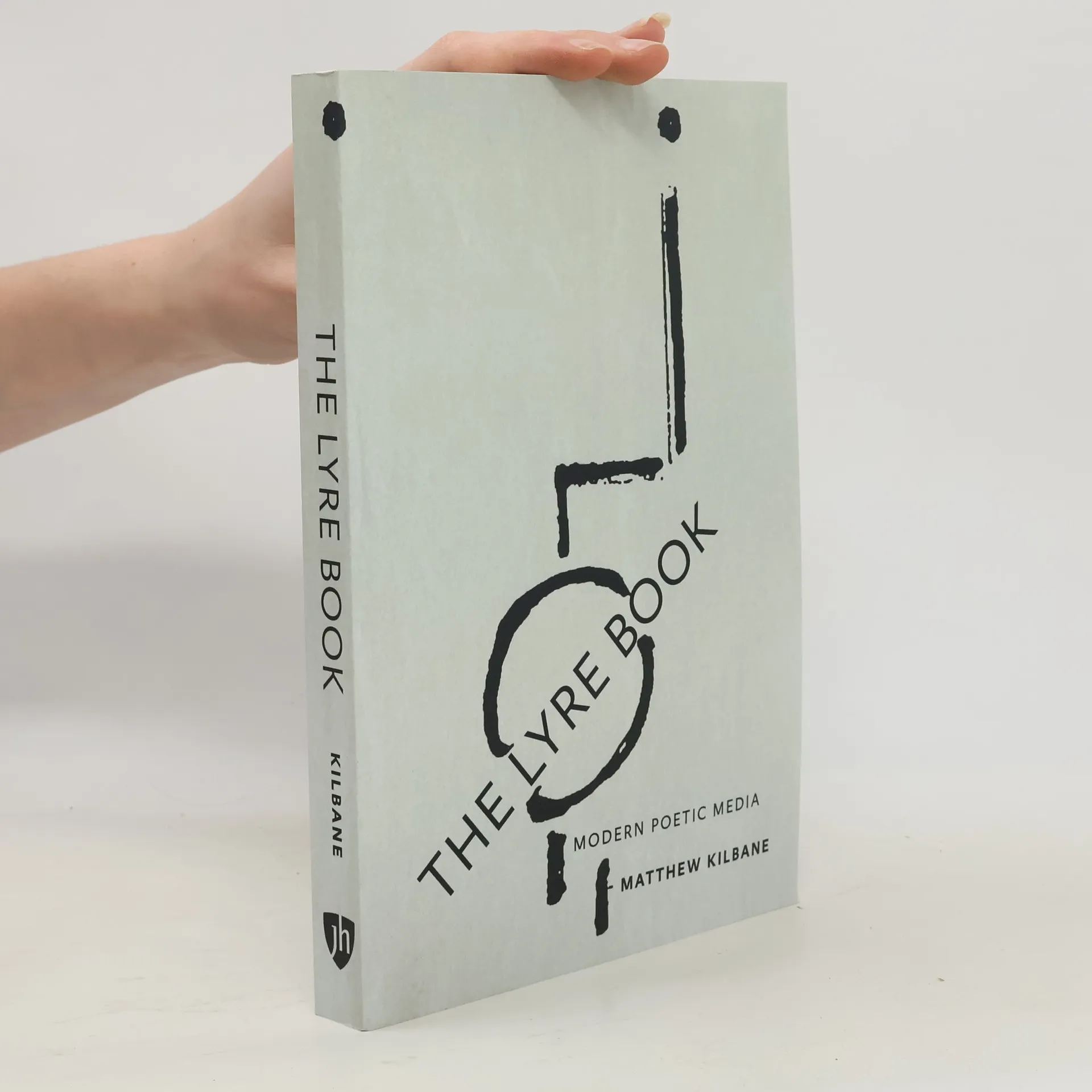
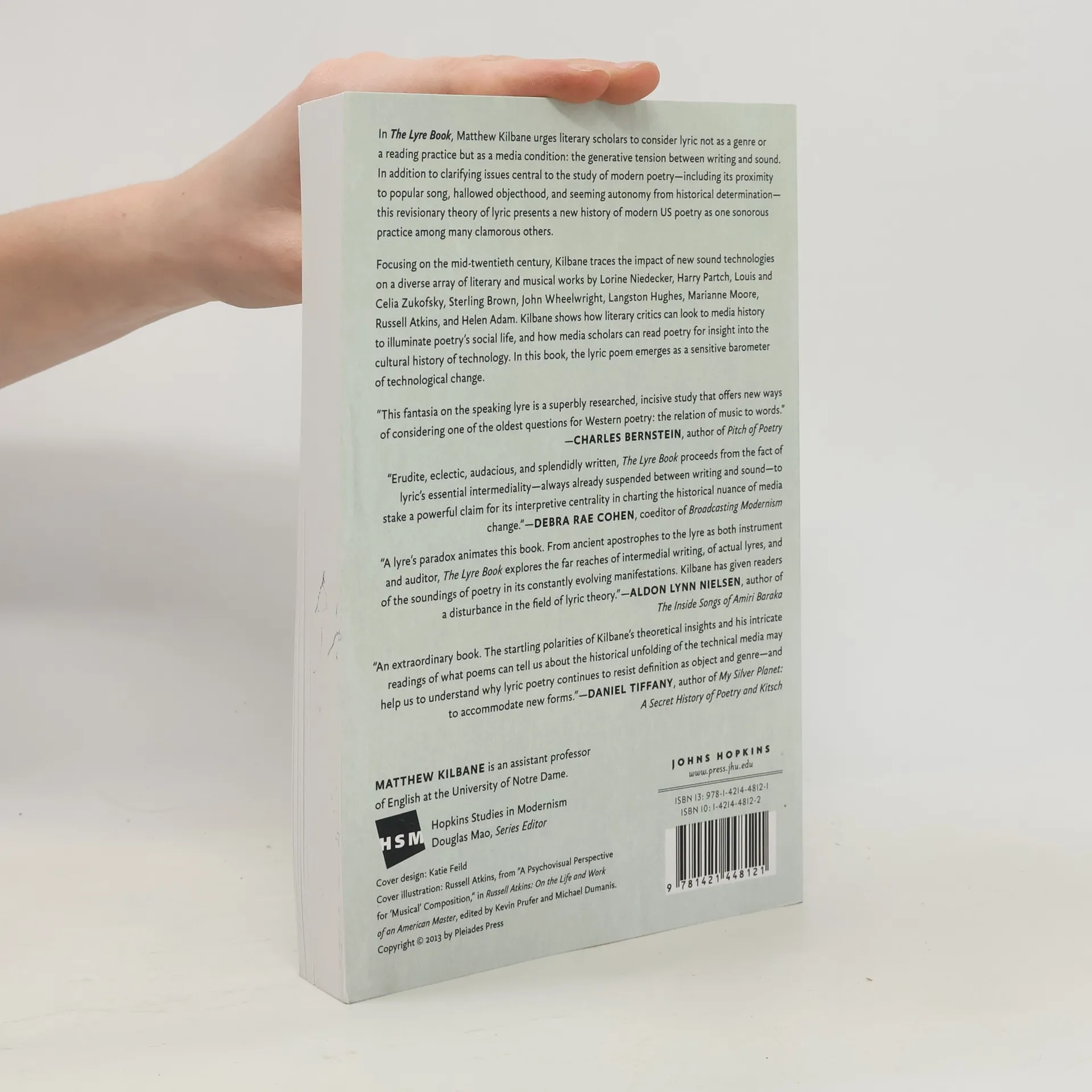
Redefines modern lyric poetry at the intersection of literary and media studies. In The Lyre Book , Matthew Kilbane urges literary scholars to consider lyric not as a genre or a reading practice but as a media the generative tension between writing and sound. In addition to clarifying issues central to the study of modern poetry―including its proximity to popular song, hallowed objecthood, and seeming autonomy from historical determination―this revisionary theory of lyric presents a new history of modern US poetry as one sonorous practice among many clamorous others. Focusing on the mid-twentieth century, Kilbane traces the impact of new sound technologies on a diverse array of literary and musical works by Lorine Niedecker, Harry Partch, Louis and Celia Zukofsky, Sterling Brown, John Wheelwright, Langston Hughes, Marianne Moore, Russell Atkins, and Helen Adam. Kilbane shows how literary critics can look to media history to illuminate poetry's social life, and how media scholars can read poetry for insight into the cultural history of technology. In this book, the lyric poem emerges as a sensitive barometer of technological change.
Achat du livre
The Lyre Book, Matthew Kilbane
- Langue

- Année de publication
- 2024
- Reliure
- (souple)
Modes de paiement
Personne n'a encore évalué .
- Titre
- The Lyre Book
- Sous-titre
- Modern Poetic Media
- Langue
- Anglais
- Auteurs
- Matthew Kilbane
- Publié
- 2024
- Format
- souple
- Pages
- 344
- ISBN10
- 1421448122
- ISBN13
- 9781421448121
- Séries
- Mots clés
- Thème historique, Thématique musicale, 20e siècle, Technologie, Linguistique, Critique littéraire, Lyrique, Médias et communication médiatique, Histoire sociale, Opéras et opérettes, Radio, Poétique, Histoire de la technique, Poésie américaine
- Description
- Redefines modern lyric poetry at the intersection of literary and media studies. In The Lyre Book , Matthew Kilbane urges literary scholars to consider lyric not as a genre or a reading practice but as a media the generative tension between writing and sound. In addition to clarifying issues central to the study of modern poetry―including its proximity to popular song, hallowed objecthood, and seeming autonomy from historical determination―this revisionary theory of lyric presents a new history of modern US poetry as one sonorous practice among many clamorous others. Focusing on the mid-twentieth century, Kilbane traces the impact of new sound technologies on a diverse array of literary and musical works by Lorine Niedecker, Harry Partch, Louis and Celia Zukofsky, Sterling Brown, John Wheelwright, Langston Hughes, Marianne Moore, Russell Atkins, and Helen Adam. Kilbane shows how literary critics can look to media history to illuminate poetry's social life, and how media scholars can read poetry for insight into the cultural history of technology. In this book, the lyric poem emerges as a sensitive barometer of technological change.