

Paramètres
- 208pages
- 8 heures de lecture
En savoir plus sur le livre
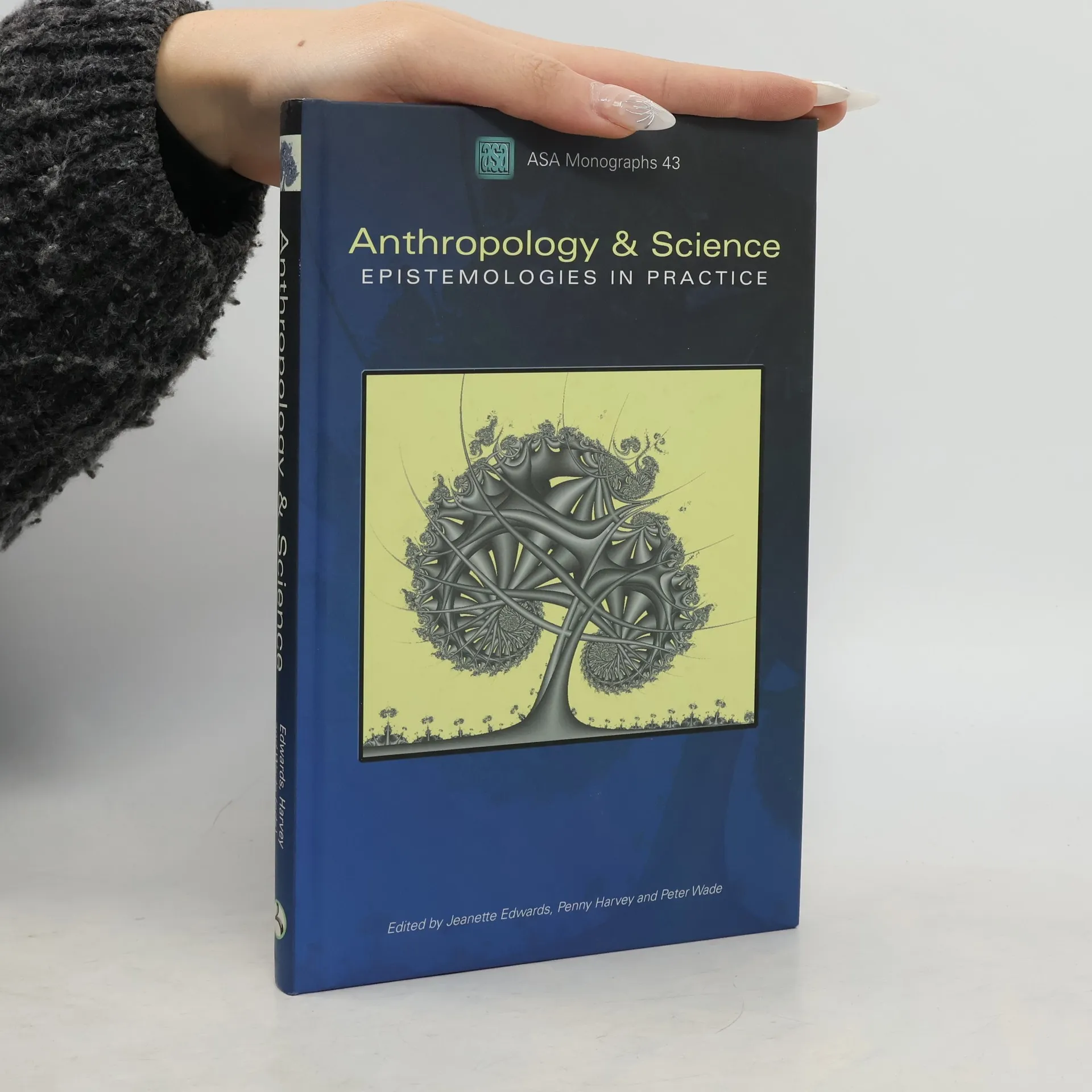
What does it mean to know something - scientifically, anthropologically, socially? What is the relationship between different forms of knowledge and ways of knowing? How is knowledge mobilised in society and to what ends? Drawing on ethnographic examples from across the world, and from the virtual and global "places" created by new information technologies, Anthropology and Science presents examples of living and dynamic epistemologies and practices, and of how scientific ways of knowing operate in the world. Authors address the nature of both scientific and experiential knowledge, and look at competing and alternative ideas about what it means to be human. The essays analyze the politics and ethics of positioning "science", "culture" or "society" as authoritative. They explore how certain modes of knowing are made authoritative and command allegiance (or not), and look at scientific and other rationalities - whether these challenge or are compatible with science.
Achat du livre
ASA Monographs - 43: Anthropology and Science, Jeanette Edwards, Penelope Harvey, Peter Wade
- Langue

- Année de publication
- 2007
- Reliure
- (rigide)
Modes de paiement
Personne n'a encore évalué .
- Titre
- ASA Monographs - 43: Anthropology and Science
- Sous-titre
- Epistemologies in Practice
- Langue
- Anglais
- Auteurs
- Jeanette Edwards, Penelope Harvey, Peter Wade
- Éditeur
- Routledge
- Publié
- 2007
- Format
- rigide
- Pages
- 208
- ISBN10
- 1845204999
- ISBN13
- 9781845204990
- Séries
- Catégories
- Description
- What does it mean to know something - scientifically, anthropologically, socially? What is the relationship between different forms of knowledge and ways of knowing? How is knowledge mobilised in society and to what ends? Drawing on ethnographic examples from across the world, and from the virtual and global "places" created by new information technologies, Anthropology and Science presents examples of living and dynamic epistemologies and practices, and of how scientific ways of knowing operate in the world. Authors address the nature of both scientific and experiential knowledge, and look at competing and alternative ideas about what it means to be human. The essays analyze the politics and ethics of positioning "science", "culture" or "society" as authoritative. They explore how certain modes of knowing are made authoritative and command allegiance (or not), and look at scientific and other rationalities - whether these challenge or are compatible with science.