

En savoir plus sur le livre
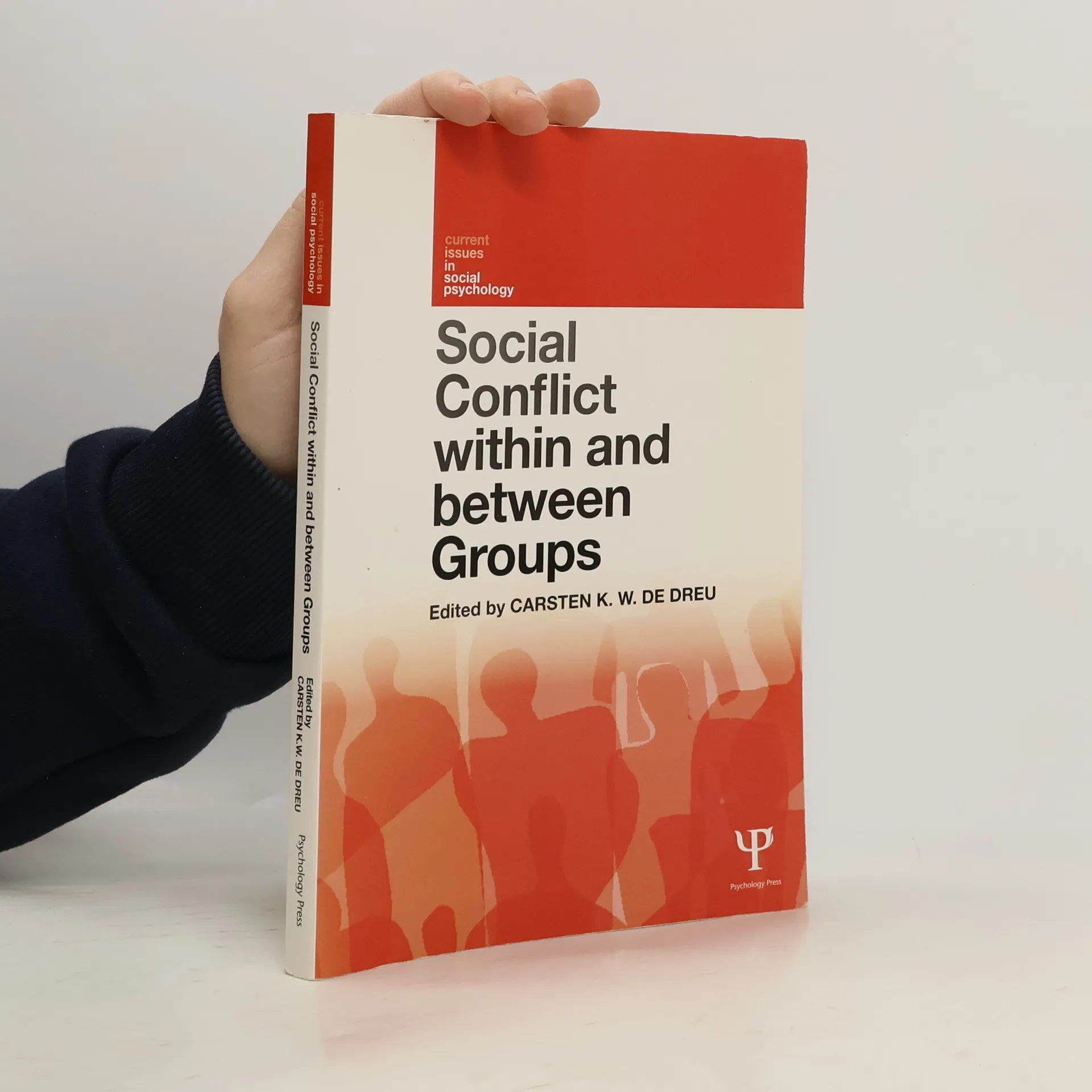
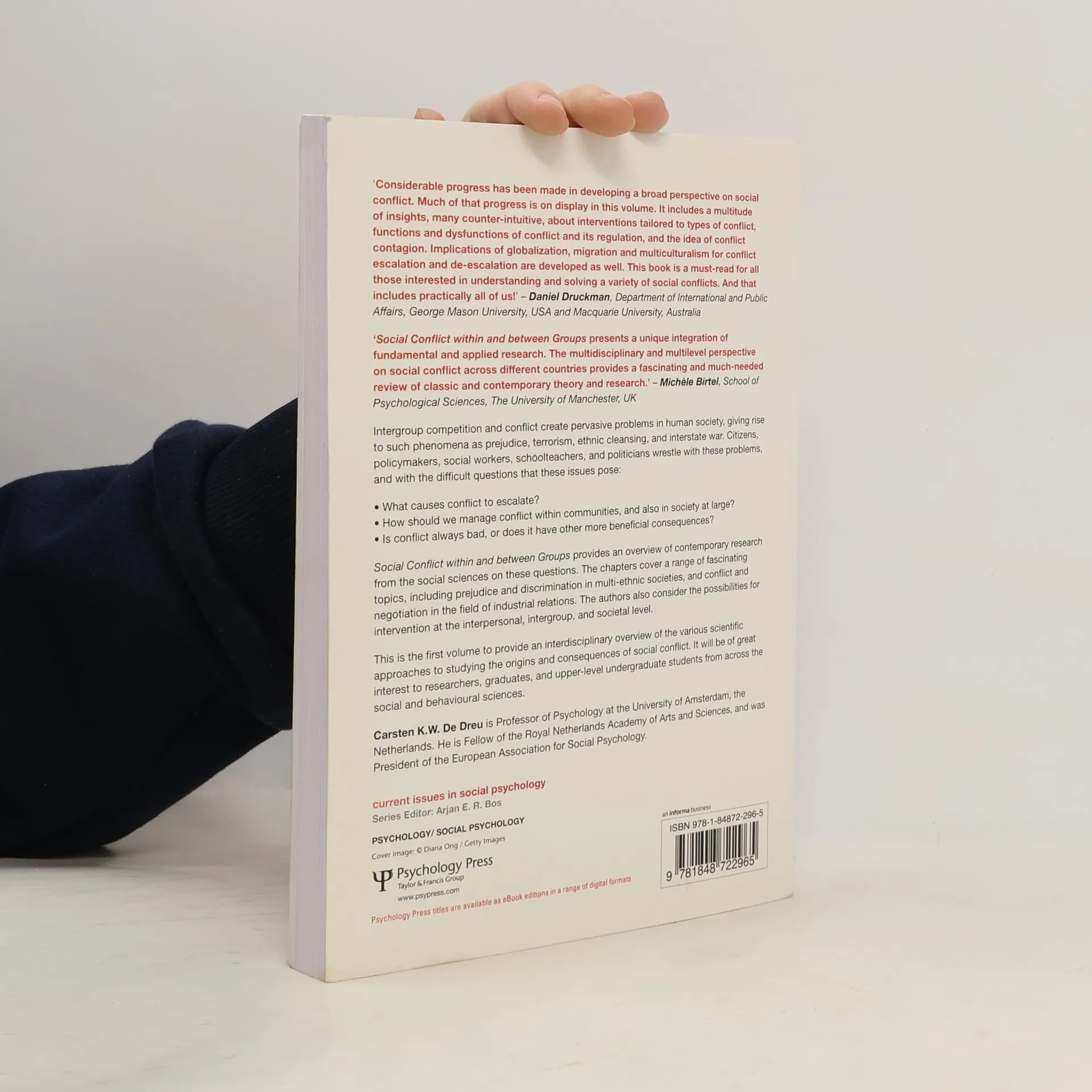
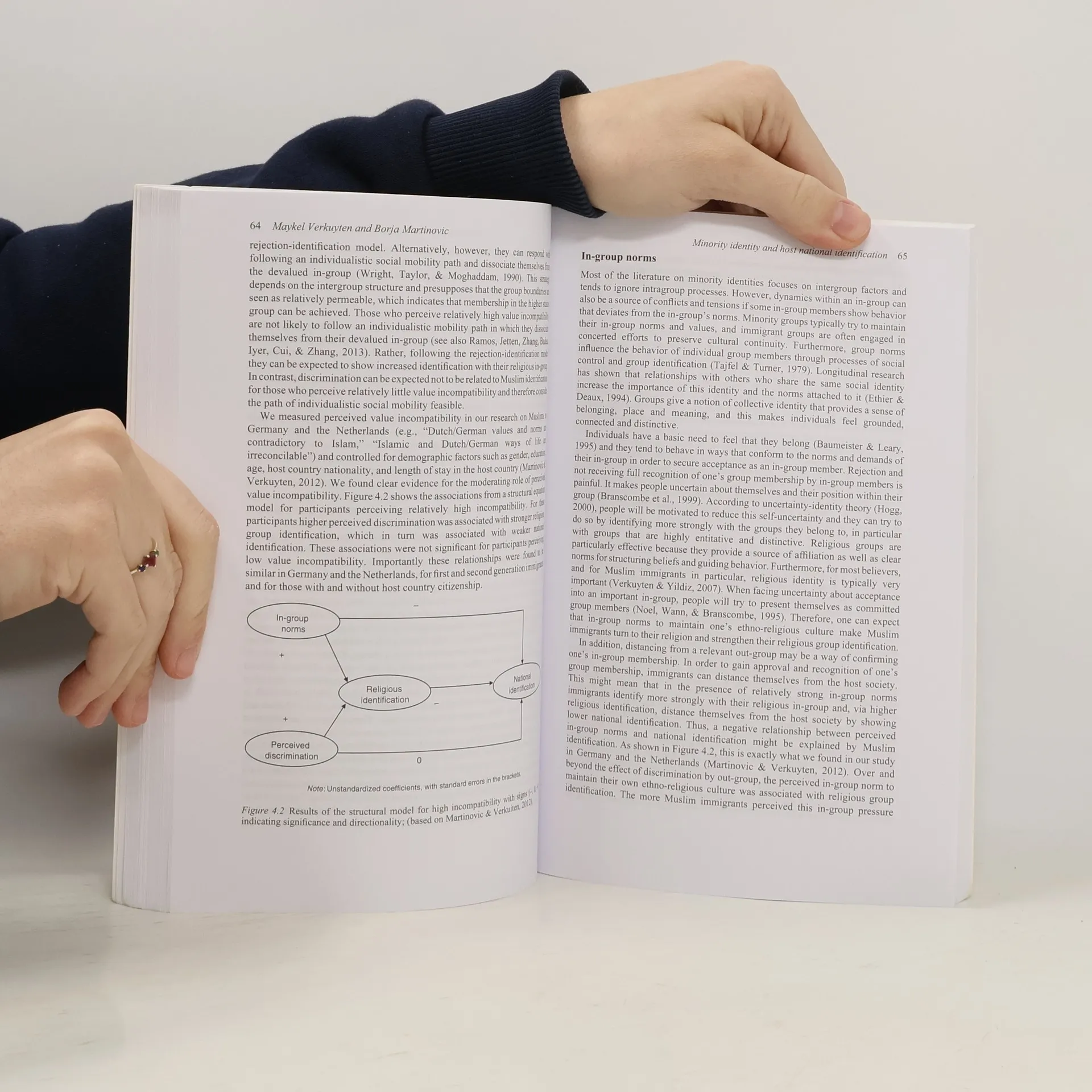
The world is currently facing numerous turbulent changes and social issues, marked by political and religious conflicts, ethnic tensions, and the complex movement of people, goods, and ideas that disrupt social orders and create insecurity. Discriminatory prejudice against immigrant populations and evolving workplace dynamics compel individuals to navigate conflicts daily. Citizens, policymakers, social workers, educators, and politicians grapple with these challenges, adopting various strategies. Some focus on prevention and control, while others aim to mediate and build common ground among rival groups. The effectiveness of these strategies, the role of social systems in conflict, and the necessity for tailored approaches based on cultural backgrounds are critical questions. Additionally, understanding how different actors perceive conflict, the symbols and rituals that provide meaning, and the factors that escalate tensions are essential for effective intervention. Despite extensive research across disciplines, these insights are often disconnected. The work compiles twelve comprehensive overviews from leading scholars in social and behavioral sciences, integrating existing knowledge and evidence-based interventions to offer a valuable interdisciplinary perspective on social conflict.
Achat du livre
Current Issues in Social Psychology: Social Conflict Within and Between Groups, Carsten K. W. De Dreu
- Langue

- Année de publication
- 2014
- Reliure
- (souple)
Modes de paiement
Personne n'a encore évalué .
- Titre
- Current Issues in Social Psychology: Social Conflict Within and Between Groups
- Langue
- Anglais
- Auteurs
- Carsten K. W. De Dreu
- Éditeur
- Psychology Press
- Publié
- 2014
- Format
- souple
- Pages
- 202
- ISBN10
- 1848722966
- ISBN13
- 9781848722965
- Séries
- Catégories
- Mots clés
- Thèmes psychologiques, Écrits rassemblés, Violence, Terrorisme, Droits de l'homme, Psychologie sociale, Immigration, Discrimination, Génocide, Négociation, Agression, agressivité, Multiculturalisme
- Description
- The world is currently facing numerous turbulent changes and social issues, marked by political and religious conflicts, ethnic tensions, and the complex movement of people, goods, and ideas that disrupt social orders and create insecurity. Discriminatory prejudice against immigrant populations and evolving workplace dynamics compel individuals to navigate conflicts daily. Citizens, policymakers, social workers, educators, and politicians grapple with these challenges, adopting various strategies. Some focus on prevention and control, while others aim to mediate and build common ground among rival groups. The effectiveness of these strategies, the role of social systems in conflict, and the necessity for tailored approaches based on cultural backgrounds are critical questions. Additionally, understanding how different actors perceive conflict, the symbols and rituals that provide meaning, and the factors that escalate tensions are essential for effective intervention. Despite extensive research across disciplines, these insights are often disconnected. The work compiles twelve comprehensive overviews from leading scholars in social and behavioral sciences, integrating existing knowledge and evidence-based interventions to offer a valuable interdisciplinary perspective on social conflict.